The theme song of Detective Conan’s new work is rock men’s team creation and singing.

Pornograffitti Orchestra performs the theme song of Conan’s new work.


    1905 movie network news The theme song was finalized in the new theatrical version of the popular Japanese animation Detective Conan in 2015, and pornograffitti (erotic graffiti) was created and sung by the popular rock men’s group. The theme song was written by pornograffitti himself and called "Oh! Rival "("Oh! Opponents), designed to describe the hostile relationship between Conan and Kaito Kuroba in the film.

    The film revolves around the theft of Van Gogh’s famous painting Sunflower. Regarding the reason for using pornograffitti, the producer visited Daoyan and said, "Sunflower is full of wine-like fragrance, and I think the style characteristics of pornograffitti are most commensurate with this painting." Pornograffitti is also happy to say that "in the process of making this song, we strive to do our best. With the release of the film, I hope the audience will like this song. "

    This film is the 19th theatrical edition of Conan, which tells the story of Suzuki Jirokichi, a Japanese tycoon, who photographed Van Gogh’s famous painting Sunflower at a high price of $300 million in new york auction. Jirokichi decided to call an expert group known as the "Seven Samurai" to protect this famous painting, but Kaito Kuroba suddenly appeared and claimed to seize this famous painting. At this time, Conan decided to stand up and deal with Kaito Kuroba … …

    The film Detective Conan: Sunflower of Fire will be released in Japan on April 18th, 2015.

There is no need to worry about the talent gap when looking for a job in this major. The income of millions is considerable!

        CCTV News:A few days ago, in the list of new majors in colleges and universities announced by the Ministry of Education, 32 colleges and universities became the second batch of universities that successfully applied for the new undergraduate major of "Data Science and Big Data Technology". Big data standing on the "window" of the Internet has directly spurred the big data major in universities.


        The first batch of three universities successfully applied for this major, namely Peking University, university of international business and economics and Central South University, which were approved by the Ministry of Education in February 2016.

        What do you major in "Big Data"?

        Three major technical directions in the field of big data:

        Direction 1: Hadoop (a method of storing massive data and running distributed analysis applications on distributed server clusters) big data development direction. 

        Direction 2: data mining, data analysis & machine learning direction 

        Direction 3: Big Data Operation and Maintenance & Cloud Computing Direction

        Those who are proficient in any direction will have unlimited "money".

        Among the three directions, big data development is the foundation.Taking hadoop development engineers as an example, the monthly salary of Hadoop entry has reached more than 8K, the monthly salary of working for one year can reach more than 1.2W, and the annual salary of Hadoop talents with 2-3 years of working experience can reach 300,000 — 500 thousandGenerally, companies that need big data processing are basically big companies, so learning big data is also a shortcut to big companies!

        Policies were introduced in various places to support the development of big data industry.

        Fujian:

        A few days ago, the Xiamen Municipal Government issued the "Implementation Plan for Promoting Big Data Development in Xiamen". Xiamen will take the open development of government big data as the guide to promote the deep integration of big data technology and social and economic applications.

        Shanxi:

        On March 16th, 2017, Shanxi announced the Development Plan of Big Data in Shanxi Province (2017-2020), Several Policies for Promoting the Development and Application of Big Data in Shanxi Province and the Action Plan for Promoting the Development and Application of Big Data in Shanxi Province in 2017. By 2020, the output value of big data related industries in Shanxi will reach more than 100 billion yuan.

        Guizhou:

        On March 16th, 2017, Guiyang issued the draft of "Three-year Action Plan for the Application of Big Data Tourism in Guiyang", proposing that by 2019, the city will build 3 to 5 smart tourism demonstration enterprises, introduce and cultivate 5 to 10 big data tourism enterprises, and the output value of tourism big data related industries will reach 20 billion yuan, and the tourism format will gradually transform into comprehensive and integrated.

        Guangxi:

        A few days ago, Guangxi issued the Notice on Organizing the Application for the Pilot Demonstration Project of Industrial Cloud and Industrial Big Data in 2017. The province will actively promote the pilot demonstration application of industrial cloud and industrial big data, and encourage leading enterprises in the industry to establish a pilot demonstration platform for industrial cloud and industrial big data.

        The talent gap of big data reached 1.5 million.

        Major universities have started the cultivation of big data talents in full swing, which is due to a large number of related talent gaps born in the era of big data.

        According to a detailed analysis report issued by McKinsey, the world’s top management consulting firm,It is estimated that by 2018, the job demand of big data or data workers will surge, with the gap between 140,000 and 190,000 for big data scientists and 1,500,000 for analysts and managers who know how to use big data to make decisions!

        What do you do after graduating from "Big Data" major?

        In fact, big data workers can exert their fists and feet in a wide range of fields, from the Ministry of National Defense, Internet startups to financial institutions, and big data projects are needed everywhere to drive innovation. The post of data analysis or data processing is also very rewarding. In Silicon Valley, the income of entry-level data scientists is already 6 figures (USD).

        At present, all kinds of universities and higher vocational colleges in China have started to study and apply for big data specialty. As an interdisciplinary subject, the related courses of big data involve knowledge of mathematics, statistics and computers, and the major of "Data Science and Big Data Technology" also emphasizes the cultivation of big data talents with interdisciplinary ability.


        The second batch of "Data Science and Big Data Technology Specialty" approved list


        The first batch of "Data Science and Big Data Technology Specialty" approved list

The Ministry of Education strengthens the verification and disposal of off-campus training complaints and reports, and promotes the governance of invisible variation training.

  According to the website of the Ministry of Education, this year, the Ministry of Education will make it a top priority to consolidate the governance achievements of off-campus training institutions and control invisible variation. To this end, we attach great importance to the handling of direct complaints and reports from people all over the country to the Ministry of Education, and transfer the clues of various batches of off-campus training problems transferred from the "China Education Supervision" WeChat WeChat official account reporting platform to local authorities for verification and handling. Through this work, we will strengthen local work guidance and urge all localities to pay attention to and improve the governance of off-campus training.

  At present, the verification and handling of two batches of 1688 off-campus training complaints and reporting clues are generally stable and orderly. Of the 1688 problem clues, 1529 have been verified, with a completion rate of 91%. Complaints and reports mainly focus on such aspects as "difficulty in refunding fees", "occupation of holidays to organize discipline training", "invisible variation training" and "lack of qualifications".

  The Ministry of Education sent a special person to carefully screen the clues of each complaint and report, and after initially eliminating the unclear clues, they were transferred to all localities for verification and disposal through the national comprehensive platform for off-campus education and training supervision and service. Local education departments check and deal with the clues of relevant issues item by item, and communicate with the complainants for feedback; After the verification results are reviewed by the higher education administrative department, they are reported to the Ministry of Education for review to ensure that "everything is settled and there is an echo".

  Various measures have been taken in all localities to solve the problem of "difficulty in refunding fees" in various ways, such as refund of fees, legal channels, replacement of services and extension of service hours, and other problems such as "invisible variation training", "organizing discipline training during holidays" and "not qualified" have been investigated and dealt with according to laws and regulations; For training institutions with serious problems, 6 have been shut down, 52 have been rectified within a time limit, 3 have been fined, 4 have been given warnings, and 3 have been notified of problems.

  In the next step, the Ministry of Education will incorporate the problem clues that have not been verified in various places into the "double reduction" work report of the State Council Education Supervision Office, and instruct the unfinished provinces to complete the verification of relevant problem clues as soon as possible. Interviewing provinces with more complaints and reports requires all localities to strengthen daily supervision of off-campus training institutions with more complaints, speed up disposal and promote dynamic clearing. Guide all localities to establish "two lists" (a list of counties and districts with more problems and a list of institutions with more problems), focus on outstanding problems such as "difficulty in refunding fees" with more complaints and reports, and organizing discipline training during holidays, strengthen targeted governance and resolve, and "pull nails" one county and one institution until the problem is completely solved.

People’s Daily published: Notes on the Basic Living Material Guarantee of Residents in the Great Shanghai Defence War

In the course of fighting the COVID-19 epidemic and winning the Great Shanghai Defence War, the problem of ensuring the basic living materials of 25 million people in Shanghai once became more prominent and widely concerned. Ensuring the supply of people’s basic living materials has become the basis and key to win the battle of defending Shanghai.
Shanghai has thoroughly implemented the spirit of the important speech and instructions of the Supreme Leader General Secretary, determined the work goal of "ensuring basic and full coverage" while "clearing the gap and tackling the key problems", and, with the coordination of relevant state ministries and commissions and the support of sister provinces, autonomous regions and municipalities, closely relied on the cadres and the general public in party member, faced up to difficulties and challenges, and took the big exam.
Unprecedented difficulty-
A sudden battle to protect the confession
On March 27, Shanghai issued a notice. From March 28, Pudong, Punan and its adjacent areas, and from April 1, Puxi area, were closed down and nucleic acid screening was carried out respectively. According to the severe and complicated epidemic situation, Shanghai subsequently opened a global static management model.
Someone has calculated an account: the rigid food demand of 25 million people is 37,500 tons based on 1.5 kilograms per capita every day, and 1,875 vehicles are needed every day based on the calculation of 20 tons transported by a container truck.
As a mega-city, Shanghai has outstanding characteristics of "one big and one small": "Big" has a permanent population of 25 million and is a national economic center city; "Xiao" has a geographical area of only 6,340.5 square kilometers, which is the smallest in Beijing, Tianjin and Shanghai. These figures are specific to the daily living material security of residents. 85% of the city’s grain, 75% of vegetables and meat, and 65% of eggs and milk are supplied by other provinces, autonomous regions and municipalities.
Usually, there are nearly one million people engaged in food supply and catering services in Shanghai, and there are more than 100,000 take-away riders alone. Under the static management mode, the traffic line was interrupted, agricultural products wholesale markets, vegetable shops and supermarkets were closed, and service workers were blocked in the community. Blocking the virus should be "quiet" and ensuring supply and smoothness should be "dynamic". How to balance it? At the same time, some problems cannot be solved by Shanghai alone. This is a problem that city managers have never encountered.
Difficulties will not frighten the people of Shanghai under the leadership of the Party.
Goods flow smoothly-
Open the main artery of supply and transportation
To ensure supply, we must first ensure "smoothness" and smooth flow of goods.
At the beginning of April, the green traffic to Shanghai for transporting fresh agricultural products dropped sharply from about 3,000 vehicles a day to about 600 vehicles.
In the past, the old customers of Jiangqiao vegetable wholesale market in Shanghai called in the morning, and Cao Wei, who runs a vegetable base in Linyi City, Shandong Province, organized picking, packing and loading, set off in the afternoon, and drove into Jiangqiao the next morning. The local wholesale households in Shanghai have been waiting for a long time, and the fresh vegetables were brought back to the market stalls, and soon they were put into the citizens’ food baskets … When the epidemic came, customers in Cao Wei were blocked from staying at home, and the orders were gone.
Even if you receive an order from Shanghai, you will be blocked in transportation. According to the circular issued by the Ministry of Transport, as of April 10th, 249 expressway toll stations in the Yangtze River Delta region were closed.
The CPC Central Committee with the Supreme Leader as the core attaches great importance to the construction of a unified national market, and the relevant departments in the State Council have issued a unified vehicle pass for the transportation of key materials throughout the country; Implement the measures of "collecting, leaving, chasing and closed-loop management" for truck drivers, and make every effort to get through the "blocking" point … In mid-May, the traffic to Shanghai Green resumed to more than 1,500 vehicles per day.
Shanghai has also been "forced" to make new moves.
Only change the front of the car without changing the box, and foreign drivers will not enter Shanghai-
Under the coordination of the National Development and Reform Commission, the Ministry of Transport and the Ministry of Commerce, the Yangtze River Delta integration cooperation mechanism was launched, and Jiangsu, Zhejiang and Anhui strongly supported it to unblock the logistics congestion. At the beginning of April, two transfer stations, Kunshan, Jiangsu and Pinghu, Zhejiang, were put into use. Pinghu transfer station only takes 60 hours to complete the ground hardening, with a maximum load of 200 trucks per day and a full capacity of about 4,000 tons.
On May 12th, the reporter walked into Pinghu Transfer Station wearing a full set of protective clothing. The transfer station covering an area of 45,000 square meters is divided into internal and external fields, each of which is managed in a closed loop. Ma Bo, the little brother leading the way, rode a battery car and guided the "Lu US3317" cold chain container full of Shangchao food to the connection point. Here, the trailer was unloaded after the whole car was killed, and the driver, Master Du, drove away in front of the car; Over there, the car master drove the front of "Wan G06839", and after disinfection, he clicked on the trailer and transported the materials to Qingpu, Shanghai. It takes 15 minutes to unload and load, and the drivers of the two cars have no contact all the time.

There will be another transfer station in the urban area, and foreign drivers will not bring "stars"-
The Xijiao International Agricultural Products Trading Center and Jiangqiao Vegetable Wholesale Market in Shanghai have set up transit stations and strict closed-loop management. With the support of the relevant state departments, a number of reported truck drivers’ mobile phone numbers have been desensitized, and the drivers will return immediately after unloading the goods, with no "star" in the itinerary code. On May 13th, Master Qiao, a driver from Kunming, Yunnan, was loaded with vegetables and transported to Jiangqiao. After unloading, he left. "The trip code didn’t bring the’ star’, so it’s no problem to run to Shanghai again."
Focus on tapping the potential locally and do a good job of production and marketing docking-
Shanghai started the emergency supply mechanism of 2000 tons of green leafy vegetables every day, and the Municipal Vegetable Group made a good connection between production and sales with its own more than 50 extended vegetable production bases and 77 main supply bases. Do everything possible to scramble for sowing and seeds, and the self-produced green leafy vegetables in this city have recovered from less than 1,500 tons listed on the market every day to more than 3,000 tons.
Shanghai is in trouble, and all parties support it-
From road, railway, land-water combined transport to air transport, supplies and donations from all over the country are rapidly assembled, which effectively relieves the pressure of Shanghai’s supply and demand. On April 12th, Liaoning Province carefully organized 2,300 tons of vegetables and cooking oil, which were transported by cold chain in the whole process and arrived in Shanghai in three batches. Two days later, Ms. Chen from COSCO Liangwan City, Putuo District, Shanghai posted a picture in the WeChat circle of friends: "It’s too fresh to be full. Thanks to Liaoning Laotie! " Along with cucumbers, beans and green peppers, there is also a red note with the words "Liaoning and Shanghai work together to fight the epidemic".
As of May 20th, nearly 30,000 tons of living materials have been donated to Shanghai.
Work together—
The government, the market and the "head" are twisted into a rope.
To ensure supply, we must insist on solving what problems are outstanding.

On the first day of Pudong’s blockade, Ms. Peng from Tang Zhen was very depressed. She got up at 5: 50 to order food, but she didn’t get it.
Two kilometers away, Boxma Xiansheng Hang Seng Wanxi Plaza Store, and five courier brothers were blocked at home that day. Wang Wei, the store manager, looked at the list of employees and found that the "loss rate" was nearly 40%.
In the logistics park of Taopu Town, Putuo District, more than 30 kilometers away, the logistics manager waited for 6 hours, the appointed freight driver was late, and the other end of the phone was also anxious: it was blocked at the highway intersection again.
With the increase of static management time, various problems are constantly emerging, and it is difficult for residents to purchase online, and it is also difficult for the government to guarantee the distribution of materials. Guaranteeing supply has once become a topic of criticism by the masses.
Pudong New Area has 6.5 million permanent residents, 2.6 million families and 465,000 scattered people, and more than 3 million insurance packages are distributed in each round. Give each family a 5 kg guarantee package, which needs to be filled with more than 600 trucks. The truck can’t enter the community, so we need to find a large enough venue, unload and repackage it day and night, then load it into a small truck and deliver it to the community one by one. Fresh food has a short shelf life, plus high temperature and thunderstorm weather … A street cadre said: "Think about it!"
Supply, manpower and outlets are indispensable. How can we get through the "last mile"?
The "hand of the government" should overcome difficulties and release the power of ensuring supply. Since April 7th, Shanghai has taken the collection, distribution and cheap package as the main ways to ensure supply, covering the basic needs of citizens to the maximum extent. Under the strict implementation of epidemic prevention and control measures, the wholesale market, distribution center, e-commerce warehouse, central kitchen and other outlets will be unsealed, allowing the courier and other suppliers to go out of the sealed control area and return to their positions, and strive to make the nodes and outlets open as much as possible and the suppliers can go out.
The "hand of the market" follows up in time to adjust and enrich its strength. "Buy more food" Fan Zhihua, the head of the temporary warehouse in Hongqiao Linkong Park, hurried to the community to "fish people". After difficult communication, most employees came back. If you really can’t get out of the community, you will be turned into a group leader on the spot.
Fresh e-commerce platforms have transformed community group buying. The store efficiency of box horse fresh food package group purchase is more than five times that of individual order distribution.
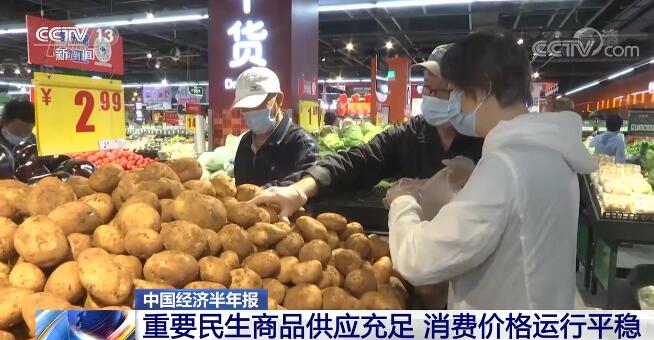
Two or three days later, the number of e-commerce companies in Shanghai rose rapidly, and the "head" was on fire. Community group buying makes the situation of supply and demand change.
"No matter when, delivery will do." Peng Aili, the fifth residential area of Lianyang Community, Huamu Street, Pudong New Area, implored the driver. As a "team leader", she shoulders the basic needs of more than 4,000 households, often receiving goods at 5 am, and organizing volunteers to move boxes from trucks to tricycles and then send them to the building.
The government, the market and the group purchase form a joint force, and the potential of people, goods and markets is gradually released.
"I have to take more than 200 orders every day." At noon on May 12th, Deng Bin, a rider from JD.COM, just finished sampling nucleic acid at the "Little Brother Station" in the airport park. JD.COM Group has dispatched more than 4,000 sorting and courier brothers from all over the country. Various districts in Shanghai have established 275 "Little Brother Stations" by using community party building centers and stadiums, which can provide accommodation for more than 10,000 people.
In mid-May, the total number of suppliers in Shanghai supermarkets, e-commerce and wholesale markets increased from the initial 37,800 to 74,100, and the number of operating commercial outlets increased from less than 1,400 to 10,625. Countless volunteers from party member and residents, together with community workers and property management personnel, have provoked the "last 100 meters" burden of delivering living materials from the community door to the door. Subsequently, the complaints about "difficulty in buying food" on the 12345 citizen hotline dropped significantly.
Underpinning guarantee-
Serving people with special needs
Guaranteeing supply, the needs of special people is a difficult problem, and there is no room for any mistake.
Of the more than 14 million registered residents in Shanghai, 5.33 million are over 60 years old, accounting for 36.1%, of which more than 800,000 are over 80 years old. Many people can’t use mobile phones, buy groups or ask for help online. Some elderly people need to provide vegetables, eggs and milk to cook their own meals, while others need to ensure three meals a day.
The Street Party Working Committee and the Jucun Party Organization rushed to the front line, becoming the "warm masters" of the elderly, finding out the base number of each elderly household and carrying out differentiated life security services. Community canteens with epidemic prevention conditions are reserved for the elderly in the community and delivered by volunteers. Those who need halal meals provide halal meals. Do not have the conditions of the community, by the municipal state-owned enterprises Guangming Group, Bailian Group to provide people’s livelihood services.
Meituan, Hungry, Yonghui Supermarket, etc. set up special emergency channels for the elderly, the weak, the sick and the pregnant, and accepted more than 30,000 "urgent orders" every day during the peak hours. "Ding Dong buys vegetables" often receives a special "reminder"-the city’s special insurance supply class sorts out the list of the top residential areas and streets in the 12345 citizen hotline complaints every day, demanding priority protection. At the beginning of May, "Ding-dong Shopping" ensured the supply of dozens of communities in Ouyang Road Street, Hongkou District, where the old residential areas were concentrated.
While the government has solved the living security of more than 20,000 seriously ill patients with family difficulties in the city, social organizations have also extended a helping hand. China Red Cross Foundation donated a "Shanghai" family box containing rice, dried noodles, edible oil, milk powder and canned pork. Fosun Foundation launched the "Caring for the Elderly" project. The Shanghai Red Cross Society has provided many rounds of assistance to cancer patients and mentally retarded elderly people.
Keep the word steady-
"Guarantee basic and full coverage" to stabilize people’s hearts
Ensuring supply and price stability is the key to stabilizing the market and people’s hearts.
In early April, refrigerators in some citizens’ homes gradually emptied, and the prices of vegetables in the market once rose rapidly, which became the focus of social attention.
To solve the problem of "is there", we should also pay attention to price stability.
"Guarantee supply, prevention and control, deployment, quality and quantity, and comprehensive coverage." Shanghai established the target and working mechanism of supply guarantee in a timely manner, requiring all districts to issue stable and stable supply guarantee packages to stabilize people’s hearts, stabilize prices with stable supply and strong supervision, and stabilize confidence with openness and transparency.
Government power can hold up in a critical period. Various districts in Shanghai distributed the gift packages of daily necessities for several rounds, requiring "quality and quantity guaranteed, delivered to the home", "collection and distribution, affordable package" and "basic guarantee and full coverage" to improve the transparency and predictability of gift package distribution.
Promote the direct supply of meat and vegetables to the community at a fair price. Through the main channels of the wholesale market or directly connecting with the main vegetable producing areas and meat processing brand enterprises, each district selects the variety, specifications, packaging, price and mode of transportation of meat and vegetables package, and sends the package list to the towns, which collect the needs of community residents two days in advance, and place orders, settle accounts, dispatch and deliver them in a unified way. Among them, from May 1st to 19th, 390,000 meat packages and more than 410,000 vegetable packages were provided directly to the community.
"The people have a call, and they can’t stay overnight." Every day, the special class of municipal insurance supply summarizes the complaints of hotline 12345 and makes a "ranking list" to urge the top districts and streets to speed up their improvement.
In this "ranking", Changning District remains low. In the procurement and distribution of government gift packages, Changning District highlights accuracy, precision and full coverage, and makes timely adjustments according to the needs of citizens. It has been sealed for a long time, and the seasoning, toilet paper and garbage bags should be used up, so send them quickly; Calculate the time, the shampoo should be gone, and add it to the spree; It is found that there is a high demand for fresh pork, so we should arrange it in the distribution … Focus on the people with special needs and distribute it in a targeted way, so as not to miss a household.
"Only by guarding the safety of residents’ tongues can we keep the safety of residents’ hearts". In view of the problem that a few cadres infringe upon and ignore the interests of the masses in the distribution of guaranteed materials, the supervision Committee of the Shanghai Municipal Commission for Discipline Inspection quickly carried out special supervision and inspection. As of May 18th, 240 clues about problems in the procurement and distribution of guaranteed materials have been checked, 14 people have been placed on file by the Party and government, 9 people have been organized and handled, and 3 batches of 9 people have been notified and exposed.
The masses discussed the quality, safety and price of the guaranteed materials, and the market supervision, public security and other departments quickly intervened in the whole process of the guaranteed supply. On March 25th, the Shanghai Municipal Market Supervision Administration and the Municipal Development and Reform Commission issued the Guiding Opinions on Identifying the Illegal Acts of Driving Up Prices during the Epidemic Prevention and Control Period. As of May 17th, the city has investigated and handled 1,181 cases related to insurance supply.
On May 17th, the whole city of Shanghai achieved social zero. On May 22nd, cross-regional public transport in Shanghai started to resume. Shanghai unswervingly adhered to the general policy of "dynamic clearing" and began to restore normal production and living order in a safe and orderly manner.
From spring to summer, the city’s silent Shanghai sparkles and shimmers into a torch-that is, countless figures who practice the concept of "people first and life first" and fight to defend the city in Shanghai. (in People’s Daily on May 24th)
Editor: Shi Wei
Editor in charge: Su Zhan
Source: People’s Daily
Disclaimer: This article is reproduced for the purpose of transmitting more information. If the source is marked incorrectly or infringes on your legitimate rights and interests, please contact this website with the ownership certificate, and we will correct and delete it in time. Thank you.
Reporting/feedback

Walking in the forefront in promoting Chinese modernization —— General Secretary of the Supreme Leader’s visit to Guangdong

  In April, the land of South Guangdong saw a surge of high-quality development and a vibrant scene.

  Marine fishery development, mangrove protection, infrastructure construction, rural revitalization, and high-quality development of manufacturing industry … … From April 10th to 13th, General Secretary of the Supreme Leader made an inspection tour in Guangdong, and put forward new requirements for the vanguard, pioneer and experimental area of reform and opening-up, emphasizing that he will continue to be at the forefront of the whole country in comprehensively deepening reform, expanding high-level opening-up, enhancing the ability of self-reliance and self-reliance in science and technology, building a modern industrial system, promoting the coordinated development of urban and rural areas, and advancing Chinese modernization.

  In the past few days, Xinhua News Agency reporters have followed the footsteps of the Supreme Leader General Secretary and paid a return visit, deeply feeling that Guangdong cadres and the masses are encouraged. Everyone said that we should conscientiously implement the spirit of the important speech of General Secretary of the Supreme Leader and strive to be at the forefront in promoting Chinese modernization.

  [Ask for food from the ocean and stick to green development]

  Located near the South Base of the National 863 Plan Project Marine Breeding Seed Project in the East Island of Zhanjiang City, rows of neat round cages are embedded in the blue waters, which is spectacular.

  Mai Kangsen (second from left), Dean of Fisheries College of China Ocean University, introduced the situation of mariculture seeds. Xinhua News Agency reporter Huang Guobao photo

  On the morning of the 10th, General Secretary of the Supreme Leader visited the base.

  "What I feel most is that the General Secretary is very concerned about and familiar with the marine and aquatic industries." Mai Kangsen, Dean of Fisheries College of China Ocean University, said, "Behind the general secretary’s concern about fishery seeds, he attaches great importance to the food supply security of more than 1.4 billion people in China. The general secretary said that we should establish a big food concept. I feel that asking for food from the ocean has great potential. We will continue to work hard to serve and build a diversified food supply system. "

  Zhanjiang Mangrove National Nature Reserve is the largest and most concentrated mangrove nature reserve in China. General Secretary of the Supreme Leader came to Jinniu Island Mangrove Area, Huguang Town, Mazhang District, located in the east of the reserve, to inspect the growth of mangroves and the surrounding ecological environment.

  This is the Jinniu Island area in Mazhang, Zhanjiang Mangrove National Nature Reserve, Guangdong Province (photo of drone) taken on April 10th. Xinhua News Agency reporter Wang Ruiping photo

  As a practitioner of mangrove protection, Zhang Wei, deputy director of Zhanjiang Mangrove National Nature Reserve Administration, Guangdong Province, is deeply proud. She said: "The general secretary said that this mangrove forest is ‘ National treasure ’ Tell us to take care of our eyes as well. We will manage mangroves more scientifically and efficiently and make our own contribution to mangrove protection. "

  Xu Xiaoxia, director of the Guangdong Provincial Department of Ecology and Environment, said: "I was particularly touched by the important instructions given by the General Secretary to strengthen the construction of marine ecological civilization. Guangdong is vigorously developing marine pastures on the premise of keeping the ecological red line. Next, we must resolutely implement the spirit of the important instructions of the General Secretary of the Supreme Leader, continue to protect the marine ecological environment, and contribute to the modernization of harmonious coexistence between man and nature. "

  [Strengthening infrastructure construction to serve people’s livelihood concerns]

  Qiongzhou Strait is the choke point for the construction and development of Hainan Free Trade Port. Xuwen Port is the most important passenger and cargo transport port on the north shore of Qiongzhou Strait, and it is also the "number one project" that Guangdong and Hainan are facing each other.

  Aerial photo of Xuwen Port. (Photo courtesy of Xu Wengang)

  On the afternoon of April 10th, General Secretary of the Supreme Leader came to Xuwen Port.

  "The general secretary learned a lot of details about ports, docks, routes, etc., and asked me how long the sailing time was and how much passenger traffic was." Zhang Jinhong, chairman of Zhanjiang Xuwengang Co., Ltd. recalled.

  "The general secretary asked us to put ‘ Golden Waterway ’ And build Xuwen Port into a modern integrated land and water transportation hub connecting Guangdong-Hong Kong-Macao Greater Bay Area and Hainan Free Trade Port. This makes us feel deeply responsible and glorious, and ensuring the smooth flow of this strategic channel in Qiongzhou Strait will be our core work. " Zhang Jinhong said.

  The Guangdong water resources allocation project around Beibu Gulf, which is listed in the 55 major water conservancy projects accelerated by the State Council in 2022, is an inter-basin water diversion project with the longest water transmission line, the most complicated construction conditions and the highest total investment in the history of Guangdong Province, which can systematically solve the seasonal and regional water shortage in western Guangdong.

  General Secretary of the Supreme Leader came to the junction station of Guangdong water resources allocation project around Beibu Gulf to deliver water to the south — — Investigation of Dashuiqiao Reservoir in xuwen county. Dashuiqiao Reservoir is the "big water tank" in xuwen county, which is related to the water supply of more than 100,000 people in xuwen county and surrounding towns, as well as farmland irrigation in nearly 50% towns.

  "The General Secretary calls for the optimal allocation of water resources, accelerating the construction of water resources allocation projects in an all-round way, promoting the solution to the imbalance of regional development, and benefiting the broad masses of the people as soon as possible." Luo Hongxia, secretary of Xuwen County Party Committee, said, next, we will keep in mind the entrustment of the General Secretary, earnestly implement the protection and utilization of water resources, rely on agricultural characteristic industries, upgrade the whole chain, promote "one village, one product, one town and one industry" and fully promote rural revitalization.

  [Developing characteristic industries and promoting rural revitalization]

  In April, the litchi plantation in Baiqiao Village, Genzi Town, Gaozhou City, Maoming was full of spring. Just after the flowering period of litchi, small blue fruits are dotted on the branches, which is a good weather for red litchi to have a bumper harvest.

  Baiqiao Village, Genzi Town, Gaozhou City, Maoming City, Guangdong Province. Xinhua News Agency reporter Wang Ruiping photo

  General Secretary of the Supreme Leader came here for investigation and investigation on 11th. Maoming is the hometown of litchi, and litchi cultivation has historical inheritance and cultural heritage.

  "The general secretary is particularly amiable. He cares about the development of our litchi industry and the income of our people." At the litchi plantation, He Xia, the first resident secretary of Baiqiao Village, said, "The general secretary told us ‘ The hometown of litchi ’ The development of litchi has put forward requirements, and we will develop litchi characteristic industries and characteristic cultural tourism better in accordance with the instructions of the general secretary. At the same time, we will also make further efforts to improve planting, preservation and processing technology, so as to provide villagers with a broader market and make litchi truly become the villagers’ ‘ Get rich fruit ’ And ‘ Happiness fruit ’ 。”

  In recent years, Baiqiao Village has built a number of cold chains of warehousing and logistics, built Baiqiao Agricultural Innovation Park, and developed fresh fruit processing, e-commerce and cultural tourism in the whole village to promote villagers’ income and wealth.

  "The general secretary came to our Baiqiao Village, and everyone felt very excited. We must work hard according to what the general secretary said and strive to make life better every year. " He Jinming, a villager in Baiqiao Village, said.

  [Enhance the ability of independent innovation and accelerate the realization of high-level scientific and technological self-reliance]

  New energy vehicles are a strategic emerging industry in China. On April 12, General Secretary of the Supreme Leader came to Guangzhou Automobile Aian New Energy Automobile Co., Ltd., a subsidiary of Guangzhou Automobile Group.

  Recalling the communication with the General Secretary, Feng Xingya, general manager of Guangzhou Automobile Group, said: "Developing new energy vehicles is the only way for China to move from a big automobile country to a strong automobile country. The arrival of the General Secretary conveys concern for the automobile industry and how the automobile industry in China can achieve lane change and overtaking through high-quality development, which makes us very excited."

  Intelligent driving remote cloud control laboratory (digital twin platform) of Guangzhou Automobile Research Institute. (Photo courtesy of Guangzhou Automobile Research Institute)

  At the Guangzhou Automobile Research Institute, the General Secretary of the Supreme Leader carefully inspected the intelligent networking laboratory and model design laboratory.

  "The breakthrough of enterprises in key core technologies is a matter of great concern to the General Secretary of the Supreme Leader." Ceng Qinghong, chairman of Guangzhou Automobile Group, said, "We should further enhance our independent innovation capability, strive to make greater progress in breaking through key core technical problems, and contribute to the self-reliance and self-improvement of high-level science and technology."

  Reporter: Xiao Sisi, Wu Tao and Xu Hongyi.

  Editor: Wu Jingjing, Bao Yuhan

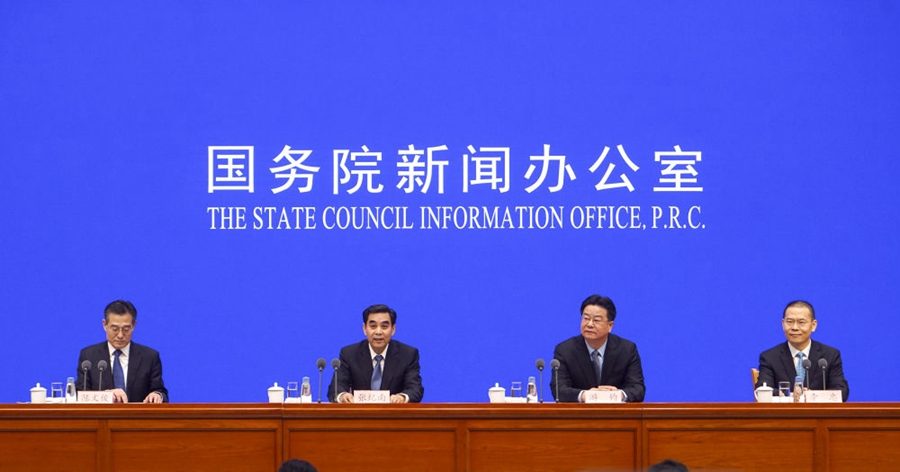
The State Council Information Office held a press conference on the second national pollution source survey bulletin.

The State Council Press Office held a press conference at 10: 00 am on Wednesday, June 10th, 2020, and invited Zhao Yingmin, Vice Minister of the Ministry of Ecology and Environment, and relevant officials of the Bureau of Statistics and the Ministry of Agriculture and Rural Affairs to introduce the Bulletin of the Second National Pollution Source Survey and answer reporters’ questions.

The picture shows the conference site. Photo by China Net Lun Xiaotong

Shou Xiaoli, Information Bureau of the State Council Information Office:

Good morning, ladies and gentlemen. Welcome to the press conference of the State Council Information Office. The second national pollution source survey, which started in 2017, is an important work of ecological environment protection. Today, we are very happy to invite Mr. Zhao Yingmin, Vice Minister of the Ministry of Ecology and Environment, and ask him to introduce the bulletin of the Second National Pollution Source Survey and answer your concerns. Also present at today’s conference were Mr. Liu Wenhua, Director of the Energy Statistics Department of the National Bureau of Statistics, Mr. Liao Xiyuan, Director of the Science and Technology Education Department of the Ministry of Agriculture and Rural Affairs, and Mr. Hong Yaxiong, Director of the Second National Pollution Source Survey Office of the Ministry of Ecology and Environment.

Let’s invite Mr. Zhao Yingmin to make an introduction.

Zhao Yingmin, Vice Minister of Ecology and Environment:

Thank you, host. Good morning, ladies and gentlemen, friends from the press. Thank you for your long-term concern and support for ecological environment protection. According to the regulations of the national pollution source census and the requirements of the State Council on the second national pollution source census, 15 units and departments including the Ministry of Ecology and Environment, the National Bureau of Statistics and the Ministry of Agriculture and Rural Affairs jointly carried out the second national pollution source census from 2017 to 2019. It is the legal requirement of the national pollution source survey regulations to carry out the national pollution source survey regularly. The first pollution source survey was 10 years ago. This pollution source survey is a systematic project under the background of building a well-off society in an all-round way and resolutely winning the battle against pollution. It is also a major national survey to comprehensively understand the base of building a beautiful ecological environment in China, so it is of great significance.

The picture shows Zhao Yingmin, Vice Minister of the Ministry of Ecology and Environment, introducing the situation. Photo by China Net Lun Xiaotong

The CPC Central Committee and the State Council attached great importance to this census. Under the unified leadership and deployment of the leading group for the second national census of pollution sources in the State Council, census institutions in all regions, departments and levels carefully organized and solidly promoted the census of pollution sources in accordance with the principles of unified national leadership, division of labor and cooperation among departments, local responsibility at different levels, and joint participation of all parties. Hundreds of thousands of census personnel were rigorous and responsible, worked hard, and the majority of census objects fully cooperated, overcoming the characteristics of tight time, heavy tasks and great technical difficulties.

The standard time of the second national pollution source survey was December 31st, 2017, and the period data was 2017. It went through three stages: preliminary preparation, comprehensive survey and summary release, and conducted a comprehensive survey on more than 3.58 million units and self-employed households with pollution discharge, and obtained basic information and pollutant discharge information about industrial pollution sources, agricultural pollution sources, domestic pollution sources, centralized pollution control facilities and mobile sources. The whole census work was carried out in strict accordance with the census plan issued by the General Office of the State Council, and a quality control system covering the whole process and all participants was established, which ensured that the census results were true, accurate and comprehensive, and achieved the established work objectives. Relevant census results were reflected in the bulletin of the second national pollution source census. For details, please refer to friends.

Now, my colleagues and I are willing to answer your questions. Thank you.

Shou Xiaoli:

Let’s enter the question-and-answer session. Please inform your news organization before asking questions.

CCTV reporter from the Central Radio and Television General Station:

What achievements have been made in the second national pollution source survey? What are the main environmental pollution problems in China at present? Thank you.

Zhao Yingmin:

Thank you. The results of the second national pollution source survey are mainly reflected in five aspects:

First, the basic situation, quantity, structure and distribution of all kinds of pollution sources in China have been found out. By the end of 2017, the number of various pollution sources in China was 3,583,200 (excluding mobile sources). Among them, there are 2,477,400 industrial sources, 639,500 living sources, 378,800 livestock and poultry farms and 84,000 centralized pollution control facilities. Among them, the number of various pollution sources in Guangdong, Zhejiang, Jiangsu, Shandong and Hebei provinces accounts for 52.94% of the national total, and the number of pollution sources in China, especially the number of industrial pollution sources, basically shows a gradual decrease from east to west. In terms of industries, five industries, namely, metal products, nonmetal mineral products, general equipment manufacturing, rubber and plastic products, and textiles and garments, account for 44.14% of the total industrial pollution sources in China. In addition, by the end of 2017, there were 267 million motor vehicles, 4.132 million construction machinery, 762 million kilowatts of diesel power for agricultural machinery and 278,000 ships in operation. In 2017, the national diesel locomotive fuel consumption was 2,461,800 tons, and the civil aviation took off and landed 10,248,900 times, which is the basic distribution of various pollution sources.

Second, we have mastered the emissions of various pollution sources. From the national water pollutant discharge situation, the chemical oxygen demand is 21.4398 million tons, the total nitrogen is 3.0414 million tons, and the ammonia nitrogen is 963.4 million tons. In terms of emissions, the Yangtze River, Pearl River and Huaihe River basins have large drainage areas and involve many provinces, and the emissions of pollutants such as chemical oxygen demand, total nitrogen and ammonia nitrogen are relatively large. From the perspective of emission intensity, the pollutant emission intensity of unit water resources in Haihe River, Liaohe River and Huaihe River basins is large. The emission of air pollutants in China is: 17,852,200 tons of nitrogen oxides, 16,840,500 tons of particulate matter and 6,963,200 tons of sulfur dioxide. This time, we also investigated the emissions of volatile organic compounds in some industries and some fields, with a national total of 10.1745 million tons. Beijing-Tianjin-Hebei and its surrounding areas, the Yangtze River Delta and the Fenwei Plain are areas where the emission intensity of air pollution sources per unit area is relatively high in China. As we all know, these three areas are also key areas for air pollution prevention and control determined by the state. The situation of solid waste in China is as follows: in 2017, the output of general industrial solid waste was 3.868 billion tons, the comprehensive utilization was 2.062 billion tons, the disposal was 943 million tons, and the storage in that year was 931 million tons. The output of straw in China is 805 million tons, and the utilization is 585 million tons. The output of general solid waste in Shanxi, Inner Mongolia, Hebei, Shandong and Liaoning provinces accounts for 42.4% of the country, and the comprehensive utilization of general industrial solid waste in Shandong, Hebei, Shanxi, Anhui and Jiangsu provinces accounts for about 40% of the country.

Third, the archives of key pollution sources and the pollution source information database have been improved. This census has formed a unified database for the second national pollution source census, with more than 1,800 database tables, 15,000 data fields and 150 million data records, forming a "one map" for the second national pollution source census. According to the requirements of the management method of pollution source census files, all files have been managed in an orderly manner and stored safely.

Fourthly, a group of business backbones with the spirit of environmental protection iron army have been trained. In the census work, enumerators and census instructors at all levels carry forward the spirit of environmental protection iron army, work hard and work hard. Through systematic training and on-site investigation, they understand the production technology, pollution control technology and environmental protection facilities of key industries and enterprises, and master the accounting methods of various pollutant emissions. In the process of summarizing the census results, through analysis and induction, we have grasped the environmental policy and the current environmental situation, and have been comprehensively studied and improved. Through the census, a group of comprehensive talents with high sense of responsibility and dedication, familiar with policies and proficient in business have been trained.

Fifth, the environmental awareness of the whole people has been further improved. The census took a long time, lasting three years. During the whole census period, through multimedia and multi-way publicity, the majority of friends in the press gave strong support, widely mobilized all sectors of society and actively participated in the census work, which improved the environmental awareness of the whole society and created a good atmosphere for the census. This is the main result of this census.

Through the census, we also see that at present, on the one hand, great progress has been made, on the other hand, the census also reflects several problems: First, the emissions of four pollutants, namely chemical oxygen demand, nitrogen oxides, particulate matter and volatile organic compounds, all exceed 10 million tons, and these four pollutants are very important for improving the environmental quality of our current atmosphere and water, which is the focus of our next work. Second, agricultural sources and domestic sources contribute a lot to the discharge of water pollutants, motor vehicles contribute a lot to the discharge of nitrogen oxides, and industries, domestic sources and motor vehicles contribute a lot to volatile organic compounds. These pollution sources involve many subjects, and unlike the traditional centralized discharge in the past, many of these fields are unorganized discharge or non-point source discharge, so it is more difficult to control and supervise. Third, the environmental protection infrastructure in rural and western areas is still lagging behind the whole country or the eastern region, and it is necessary to further increase investment. Fourth, the emission intensity of key river basins and key regions is high, and the task of adjusting the industrial structure and layout of these river basins is arduous. Fifth, through the general survey, it is reflected that China’s ecological environment governance system and governance capacity need to be further improved. Through the general survey, we feel that these problems have clarified the family background and pointed out the direction for the next step to do a good job in ecological environment protection and improve the quality of the ecological environment. We need to continue to work hard in the future to overcome difficulties and finally improve the quality of the ecological environment. Thank you.

China Daily reporter:

According to my personal understanding, data is a very important basis for census. May I ask what the National Bureau of Statistics has done and what measures have been taken to determine the direction for the scope of this census and ensure the smooth progress of the census? Thank you.

The picture shows Liu Wenhua, Director of the Energy Statistics Department of the National Bureau of Statistics, answering a reporter’s question. Photo by China Net Lun Xiaotong

Liu Wenhua, Director of Energy Statistics Department of National Bureau of Statistics:

Thanks for asking. As a comprehensive statistical department of the government and a member of the second national pollution source survey leading group, the National Bureau of Statistics has mainly done the following three aspects in this pollution source survey:

First, assist in the examination and approval and filing of the census report system. According to the requirements of statistical law, all investigation and census plans must be submitted for approval by the National Bureau of Statistics. At the same time, we participated in the design of census scheme and related technical scheme, and provided suggestions and references for various systems, methods and reports in the census process from the perspective of statistical specialty.

Second, we make full use of the information sharing mechanism of the department to provide relevant industry information, unit directory database and relevant statistical data to the Ministry of Ecology and Environment in a timely manner. We know, where can we find the source of pollution? We can’t "completely blind". In the fourth economic census just released last year, we produced the latest unit directory information, including unit name, address, main business, etc. This information undoubtedly plays an important role in locating pollution sources and improving the efficiency of pollution source census, which is one aspect we provide. On the other hand, we provide relevant statistical data to help verify the quality of census-related data.

Third, it is mainly to guide the quality management of census data. Because the quality of census data is a key matter, from the perspective of our statistical professional department, we should cooperate with the Ministry of Ecology and Environment to do a good job in the quality analysis and evaluation of census data, including providing data, assisting in the verification and evaluation of census data, and participating in the publication of census bulletins and census results. Because there are many specific tasks in the census process, we participate in it, do a good job of assistance and provide suggestions.

Mainly in these three aspects, thank you for asking.

Hong Kong China Rating Society reporter:

We know that the number of enterprises involved in the second national pollution source survey is very large. Excuse me, how to ensure the quality of data sources of pollution source census? How to ensure that the data provided by each enterprise is true? Thank you.

The picture shows Hong Yaxiong, director of the Second National Pollution Source Survey Office of the Ministry of Ecology and Environment, answering a reporter’s question. Photo by China Net Lun Xiaotong

Hong Yaxiong, Director of the Second National Pollution Source Survey Office of the Ministry of Ecology and Environment:

Let me answer your question. Thank you very much for your concern about the quality of our census. Your concern about the quality of the census is also our concern from beginning to end in the process of pollution source census. Because data quality is the lifeline of pollution source census, in order to ensure pollution source census, we define quality as true, accurate and comprehensive. We have fully implemented the quality management system of the second national pollution source survey in terms of establishing system norms, strengthening the implementation of responsibilities and strengthening on-site verification, and achieved very good results. We mainly do a good job in the following four aspects:

First, do a good job in top-level design. Establish various quality management systems and supporting technical specifications. According to the requirements of pollution source census scheme, combined with the key points and difficulties of quality management in each stage of census, we have formulated the regulations covering the whole process of census and the quality management of census data for all staff, defined the responsibilities of census institutions at all levels and third-party institutions to participate in census work, stipulated the management requirements for selecting census enumerators and census instructors, and formulated the technical specifications for census quality control by pollution sources and industries, which provided a basis for the implementation of census data quality management.

Second, the responsibility of strict quality management is implemented. According to the characteristics of the work in the stages of inventory, comprehensive investigation and census data summary, we regularly schedule the implementation of census data quality responsibility by census institutions at all levels from beginning to end, and conduct spot checks on the training of enumerators and census instructors by means of investigation, investigation and quality spot checks. We quantitatively track the implementation of the responsibility of census data quality audit and the rectification of problems found by the higher authorities. For census institutions and related personnel who do not seriously implement the responsibility of quality management, we take the form of reminding, informing and sending supervision letters to urge census institutions and related personnel involved in the census to strictly implement the responsibility of census data quality.

Third, strengthen the on-site control of census data quality. In the data collection stage, quality audit is the first pass of the census. In this process, as you said, we have to obtain a lot of data in the face of more than 3 million census objects. At this stage, it is very important to fill in the basic information of pollution sources comprehensively and accurately, and the subsequent pollutant emissions can be accurate and reliable. Just as we button the first button when we dress, the first button must be buttoned straight. To this end, while strengthening the full coverage of training, census institutions at all levels make full use of small videos and other means to clarify the filling requirements, auditing requirements and skills in using relevant auditing software, so that enumerators and census objects can understand the filling requirements. At the same time, we organized various forms of inspection, spot check, sampling and centralized audit to find and solve problems by dissecting sparrows. Through these means, we firmly grasp the quality of on-site reporting and ensure the quality of data.

Fourth, strengthen the centralized audit of the census results summary data stage. At the national level, a centralized data audit environment was deployed, and experts from various industries and local technical backbones were invited to conduct centralized audits by source and industry. According to the principle of legal, scientific and accurate audit, through the comparison of census big data in different regions, industries and river basins, the problems were analyzed and found, and then the rectification was organized, forming a mechanism of interaction, discovery and solution. At this stage, it has played a very good role in further improving the data quality of the census. Through the national quality assessment, our data quality has reached the expected requirements. Thank you.

China News Service reporter:

My question is, compared with the first national pollution source survey, what are the differences between the results of this survey? Compared with ten years ago, what changes have taken place in the overall situation of pollution sources? Thank you.

Zhao Yingmin:

As I said just now, the standard time for the first pollution source survey was December 31, 2007, and the standard time for this survey was December 31, 2017, a total difference of ten years. Let’s recall that the past decade, especially since the 18th National Congress of the Communist Party of China, has been a decade in which our country has vigorously promoted the construction of ecological civilization and rapidly improved the quality of the ecological environment. From the results of this census, we can also see the changes in this decade, mainly in three aspects:

First, the emissions of major pollutants have dropped significantly. Compared with the data of the first national pollution source survey, the emissions of pollutants such as sulfur dioxide, chemical oxygen demand and nitrogen oxides in 2017 decreased by 72%, 46% and 34% respectively compared with that in 2007, reflecting the great achievements made by our country in pollution prevention and control in recent years.

Second, the industrial restructuring has achieved remarkable results. First, the concentration of production capacity in key industries has increased. Compared with 2007, the output of paper, steel, cement and other industries in China increased by 61%, 50% and 71% respectively, and the number of enterprises decreased by 24%, 50% and 37% respectively. The output increased and the number of enterprises decreased, and the average output of a single enterprise increased by 113%, 202% and 170% respectively. Second, the emissions of major pollutants in key industries have dropped significantly. Compared with 2007, the chemical oxygen demand in the paper industry decreased by 84%, sulfur dioxide in the steel industry decreased by 54%, and nitrogen oxides in the cement industry decreased by 23%. It can be seen that the quality of economic development has improved in the past decade, and the number of enterprises has decreased, but the concentration of production capacity has increased. While the output of products has increased, the discharge of pollutants has dropped significantly, that is, the discharge of pollutants per unit product has dropped significantly.

Third, the pollution control capacity has been significantly improved. The number of wastewater treatment, desulfurization and dust removal facilities in industrial enterprises is 2.4 times, 3.3 times and 5 times that in 2007, respectively, which are several times the number of pollution control facilities ten years ago. The manure treatment capacity of livestock and poultry breeding has been generally improved. The utilization ratio of manure and urine in livestock and poultry scale farms has reached 85% and 78% respectively, and the proportion of dry cleaning manure in pig scale farms has increased from 55% in 2007 to 87% in 2017. The urban infrastructure construction has achieved remarkable results, and the pollution control capacity has been greatly improved. Compared with ten years ago, the number of urban sewage treatment plants has increased by 5.4 times, the treatment capacity has increased by 1.7 times, the actual sewage treatment capacity has increased by 2.1 times, and the removal rate of chemical oxygen demand of urban domestic sewage has increased from 28% in 2007 to 67% in 2017. The number of domestic waste disposal plants has increased by 86% in ten years, among which the number of waste incineration plants has increased by 303%, the incineration capacity has increased by 577%, and the proportion of incineration capacity has increased from 8% ten years ago to 27%. The number of hazardous waste centralized utilization and disposal plants has increased by 8.22 times, and the designed disposal capacity has increased by 42.79 million tons/year, which is 10.4 times that of the last census. The amount of centralized disposal and utilization increased by 14.67 million tons, 12.5 times higher than ten years ago. By comparing with the results of a pollution survey, we can see the achievements of our country in ecological environment in the past ten years. Thank you.

China Education TV reporter:

We have seen that the current epidemic situation has been effectively controlled, but with the resumption of work and production by the whole society, we have also noticed that retaliatory pollution has appeared in some areas. Excuse me, under such circumstances, how should we respond effectively? How should individuals do their own health protection? Thank you.

Zhao Yingmin:

The sudden outbreak of COVID-19 has brought challenges and pressures to all aspects of our country’s economy and society, including ecological environment protection. Under such circumstances, there are many voices in the society, or there are some worries about whether the environmental protection work will decline or regress due to the impact of the epidemic. I think this problem is actually a concern of many friends. The answer lies in the important instructions made by the General Secretary of the Supreme Leader during his inspection in some places since the epidemic and during the group discussion during the "two sessions".

General Secretary of the Supreme Leader said that in the process of China’s economy changing from a high-speed growth stage to a high-quality development stage, pollution prevention and environmental management are an important threshold that needs to be crossed. We must bite the bullet to climb this slope and cross this threshold, and we must keep our determination to strengthen the construction of ecological environmental protection unshakable, unrelenting and silent. Economic development cannot be at the expense of destroying the ecological environment. Protecting the ecological environment means developing productive forces. The general secretary’s speech is the fundamental follow-up and action guide for our ecological environment protection work, and we resolutely implement it. At present, the downward pressure on the economy continues to increase, and the global risk challenges are rising obviously. Under the influence of multiple factors, ecological environmental protection will maintain its strategic strength with the same direction and undiminished strength, and will never take the old road of developing one place at the expense of the ecological environment. Instead, it will give full play to the role of ecological environmental protection in reversing, promoting and leading the optimization and upgrading of industrial structure and the green transformation of development mode, promote the formation of green development mode and green lifestyle, and promote high-quality economic development with high-level ecological environmental protection.

At the same time, we will also pay more attention to innovative working methods, adopt more targeted strategies and methods according to time, situation and place, highlight precise pollution control, scientific pollution control, and pollution control according to law, and solidly promote pollution control. We should also co-ordinate supervision and assistance, deeply understand the concerns of enterprises, send policies, technologies and solutions to enterprises, and effectively help enterprises solve practical difficulties in pollution control. The outbreak of the COVID-19 epidemic has also brought us reflection, one of which is to remind us once again that the whole society should advocate a green and healthy lifestyle and pay more attention to caring for the ecological environment. Thank you.

Guoguang reporter from Central Radio and Television General Station:

What measures has the Ministry of Agriculture and Rural Affairs taken to strengthen the prevention and control of agricultural pollution? What changes have been made in agricultural pollution discharge compared with the first pollution source survey? Thank you.

The picture shows Liao Xiyuan, Director of the Science and Technology Education Department of the Ministry of Agriculture and Rural Affairs, answering a reporter’s question. Photo by China Net Lun Xiaotong

Liao Xiyuan, Director of Science, Technology and Education Department of Ministry of Agriculture and Rural Affairs:

Thank you for your concern about agricultural and rural work. It has been ten years since "one pollution" to "two pollution". During this period, China’s grain output has increased from 500 million tons to 660 million tons, meat, eggs and milk output has increased from 120 million tons to 140 million tons, aquaculture output has increased from 31 million tons to 47 million tons, and the supply of grain and important agricultural products is sufficient. At the same time, the pollution emissions in the agricultural field decreased significantly, and the chemical oxygen demand, total nitrogen and total phosphorus emissions decreased by 19%, 48% and 25% respectively. It can be said that the output of agriculture is getting higher and higher, the pollution discharged is getting less and less, and the green background is getting brighter and brighter.

The CPC Central Committee and the State Council attached great importance to the green development of agriculture. General Secretary of the Supreme Leader has repeatedly stressed that promoting the green development of agriculture is a profound revolution in the concept of agricultural development; Agricultural development should not only put an end to the new debts owed by the ecological environment, but also gradually pay back the old debts. The Ministry of Agriculture and Rural Affairs thoroughly implemented the central decision-making and deployment, insisted on putting green development in a prominent position, accelerated the transformation of agricultural development mode, launched a tough battle to prevent and control agricultural non-point source pollution, and implemented five major actions of agricultural green development. The use of chemical fertilizers and pesticides has been negative for three consecutive years. The comprehensive utilization rate of livestock manure reached 75%, the comprehensive utilization rate of straw reached 85%, and the recovery rate of agricultural film reached 80%. Agricultural development has shifted from relying mainly on resources and consumption to sustainable development in the past, initially forming a new pattern of promoting agriculture with quality, efficiency and green.

The first is to strengthen policy support. We will implement the Opinions on Innovating System and Mechanism to Promote the Green Development of Agriculture issued by the State Council of China, and establish and improve systems for resource conservation and utilization, reduction of agricultural inputs, and recycling of livestock manure. Improve the green-oriented agricultural subsidy system, explore the agricultural ecological compensation mechanism, and promote the establishment of supporting policies such as finance, land use and electricity consumption for the green development of agriculture. Cultivate new market players, carry out socialized and specialized services, and promote the third-party treatment of agricultural pollution.

The second is to strengthen demonstration and guidance. Organic fertilizer instead of chemical fertilizer was carried out in 175 counties in the dominant production areas of fruit, vegetable and tea, and a number of typical production technologies and operation modes were integrated and popularized. In 705 counties, the recycling of livestock manure was implemented, and the construction of breeding manure treatment facilities was carried out throughout the county. Implement straw treatment actions in 200 counties to create a typical model for the full utilization of straw in the whole region. Carry out agricultural film recycling operations in 100 counties in northwest China, and promote the application of standard plastic film, mechanized picking and specialized recycling. Zhejiang, Hainan and Anhui provinces have carried out demonstration construction of eco-circular agriculture, and 80 rural green development demonstration zones have been established nationwide, and 53 counties in 8 provinces of the Yangtze River Economic Belt have carried out comprehensive management of agricultural non-point source pollution.

The third is to strengthen scientific and technological support. Optimize the layout of agricultural science and technology resources, strengthen basic research on agricultural pollution prevention and control, and integrate demonstration and application of key technologies. Establish national scientific and technological innovation alliances such as chemical fertilizer and pesticide reduction and efficiency improvement, livestock and poultry waste treatment, deepen the cooperation between enterprises in Industry-University-Research, and work together to break through the technical bottleneck of agricultural pollution prevention and control. Release major leading agricultural green production technologies, and recommend 100 leading agricultural technologies with high quality, safety, cost saving, high efficiency and eco-friendliness.

The fourth is to strengthen monitoring and evaluation. A "network" for agricultural eco-environmental monitoring has been established throughout the country, with 40,000 farmland soil environmental quality, 240 farmland nitrogen and phosphorus loss, 500 agricultural film residues and 280 state-controlled monitoring points for straw resources, and long-term routine monitoring has been carried out to keep abreast of the dynamic changes of agricultural eco-environment and support scientific and accurate pollution control.

The fifth is to strengthen assessment and evaluation. In accordance with the requirements of environmental protection in the management industry, we should fulfill the responsibilities of agricultural and rural departments and fully implement the responsibility of ecological environmental protection. Refine and decompose the target tasks and establish a regular scheduling mechanism. Strengthen work guidance services for key areas and promote the implementation of tasks. Through special inspection, annual evaluation and third-party evaluation, we will strengthen performance appraisal and improve the linkage mechanism between work implementation and financial support.

At the same time, we are also soberly aware that China’s agricultural green development is in its infancy, the investment in resources is still at a high level, the pressure on the ecological environment not to owe new accounts and gradually repay old accounts is still great, and the long-term mechanism of green development is still not perfect, which requires continuous efforts and long-term achievements. In the next step, we will thoroughly implement the supreme leader’s ecological civilization thought, firmly establish a new development concept, put green development in a more prominent position, vigorously promote the reduction of agricultural inputs, clean production, recycling of wastes, and ecologicalization of industrial models, continuously improve the agricultural ecological environment, and promote rural ecological revitalization. Thank you.

Shou Xiaoli:

One last question.

Economic Daily reporter:

How will the census results be applied? What ideas does the second national pollution source survey provide for pollution control? Thank you.

Zhao Yingmin:

The results of the second national pollution source survey have played a very important role in winning the battle against pollution and supporting the national ecological environment protection work in the future. There are three main aspects:

First, the census results have been widely used in the battle against pollution. Focusing on four key questions: "Where are the pollution sources, what to discharge, how to discharge them and how much to discharge them", this census has established key pollution source files and pollution source information databases covering 3.583 million census objects nationwide. On the basis of protecting the privacy of all kinds of respondents in the later stage of the census, the office of the census leading group timely summarized and summarized the census results, which provided basic support for strengthening the supervision of pollution sources, supervision and assistance in key areas, issuance of pollution discharge permits, environmental risk investigation, major scientific and technological research projects, and provided strong support for accurate, scientific and legal pollution control.

Second, the census results reveal the current situation of ecological environmental protection in China, especially the latest and most comprehensive situation of key areas, key areas, key river basins, key industries and key pollutants in the future. Through analysis, application, induction and summary, the laws and trend achievements will provide basic support for the national economic and social development and ecological environment protection during the 14 th Five-Year Plan.

Third, the results of the census have explored a set of technical methods and trained a team, which has provided long-term support for the ecological environment management during the Tenth Five-Year Plan and beyond. Thank you.

Shou Xiaoli:

That’s all for today’s press conference. Thank you, Minister Zhao, the publishers and the journalists.

Unquestionably, the delivery speed of Aouita 12 is in the forefront of its class.

According to the official news of Aouita Science and Technology, in December, 2023, Aouita delivered 6,106 sets, setting a new record for delivery and making outstanding achievements. Among them, Aouita 12, which has just been delivered nationwide, has made outstanding contributions, delivering 2,004 units in just 20 days, ranking among the top 300,000 pure electric cars. It can be said that Aouita 12, with its efficient delivery posture, enables the majority of car owners to accelerate their appreciation of its "wisdom and beauty" charm.

2024010810554115

It is reported that in the first month of listing on November 10, 2023, Aouita 12 exceeded 20,000 units in its large order, which won the unanimous favor of many car owners. Counting the charm of this future smart luxury car, which is born out of CHN, the industry-leading smart electric vehicle technology platform, its three characteristics of "top intelligence, top design and top luxury space" are really eye-catching, and it can be called the masterpiece of Changan Automobile, Huawei and Contemporary Amperex Technology Co., Limited to redefine the new luxury standards in the era of smart cars. In addition, the price ranges of the three models of Aouita 12 are 300,800-400,800 yuan respectively, which, combined with its overall configuration, can be said to have obvious advantages in cost performance.

2024010810554115

Thanks to Huawei’s advanced intelligent driving system, HUAWEI ADS 2.0, Aouita 12 shows the leading intelligent driving strength in the industry. In addition, all its models come standard with 3 lidar, which can provide a horizontal visual field of more than 300, strong lateral 3D spatial perception and high resolution and high confidence detection capability. Thanks to these software and hardware configurations, Aouita 12 can easily meet the demand of intelligent driving in various road conditions without relying on high-precision maps, helping users to travel with peace of mind.

2024010810554115

It is worth emphasizing that Aouita 12′ s intelligent driving ability is not only ahead at present, but also can bring first-class intelligent experience to users through OTA upgrade of software system in the next 3-5 years. Judging from the statistics of intelligent driving published by Aouita, at present, the intelligent driving function of Aouita has been fully trusted by users and used at high frequency. The cumulative mileage of intelligent driving is 35 million kilometers, accounting for 23% of the total mileage, ranking first in the industry; Intelligent parking assistance has been called for 3.7 million times, helping many users solve parking troubles.

Coupled with the latest good news from Aouita Science and Technology, it has become one of the first enterprises to be granted a conditional autopilot (L3 level) test license for high-speed highways. L3 automatic driving is the watershed between "assisted driving" and "automatic driving", which means that the driver can "get rid of his hands", "off his feet" and "off his eyes" under certain conditions, and the vehicle can also accelerate, turn and brake completely automatically under certain conditions. This means that users of Aouita 12 can look forward to one more day, and they can experience the pleasure of autonomous driving with Aouita 12.

Nowadays, the national delivery process of Aouita 12 is ongoing, which constantly meets the expectations of more users to pick up their cars and makes them feel the pleasure of smart travel. In addition, Aouita is steadily advancing the strategy of "going out to sea", so that Aouita 12 can continue to release its charm of "wisdom and beauty" on the world stage.

"I am too old to be competent for front-line work", can it be used as a reason for not renewing my employment?

Cctv news(Reporter/Du Anqi): Recently, a public hospital stipulated that "men are over 55 years old and women are over 44 years old" will not be renewed. The joint investigation team of Xunyang City, Shaanxi Province reported that the hospital did not conclude an open-ended labor contract according to law and illegally terminated the labor contract.

At present, through consultation between the two parties, the hospital has paid 19 dismissed employees twice the economic compensation standard. However, dismissing old employees on the grounds that they are "too old to be competent for front-line work" has once again increased the age anxiety of workers. Many people worry that, in addition to the "35-year-old threshold" and "40-year-old threshold" in the workplace, is there another "44-year-old invisible threshold"?

Can age be used as a reason for not renewing employees? How do Chinese laws identify "age discrimination" in employment?

Professor Range, vice president of capital university of economics and business Institute of Labor Economics, said that it is not allowed by law to equate age with incompetence. "Labor Law" and "Employment Promotion Law" have clear provisions on "employment discrimination". However, there is still a certain ambiguity in the practice of legal norms and judicial decisions on the issue of "age discrimination" involved in this case. In the future, it is necessary to further improve the relevant legislation and set relevant rules for "age discrimination" in employment.

"News+"reporter: "I am too old to be competent for front-line work", can it be used as a reason for not renewing employees?

Scope:It is not allowed by law to equate age with incompetence. In the "Labor Contract Law", there is a clear stipulation about "incompetence", and it is necessary to confirm whether employees can meet the standards through assessment. Those who are not qualified for the job after examination should be re-examined after adjusting their posts or retraining, and those who are still unqualified can be dismissed according to the procedures prescribed by law. In practice, it’s not that employers can’t fire employees, but it should be based on job performance, not just age.

Age leads to the dissolution or termination of the labor contract, and there is only one situation, that is, reaching retirement age. The "Regulations on the Implementation of the Labor Contract Law" stipulates that the employer may terminate the labor contract when the employee reaches the statutory retirement age. At present, the legal retirement age is 60 for men, 55 for women cadres and 50 for women workers. With the extension of life expectancy, the retirement age of many female workers has been extended to 55 years in practice, and even some cadres can reach 60 years old.

In fact, the situation involved in this case has not increased in practice, but decreased. Because compared with 1990 and 2000, the whole society has changed in the cognitive level, and the acceptance and tolerance for middle-aged and elderly employees are higher. In addition, after the upgrading of industrial structure, knowledge-intensive and experience-intensive industries and posts have increased, and the requirements for physical conditions have been relatively reduced.

"News+"reporter: Why are some employers unwilling to continue hiring employees who are over the "age threshold"?

Scope:There are some "stereotypes" about middle-aged employees in the workplace, thinking that middle-aged employees will ignore the rules of the workplace because of their age and do not abide by the relevant norms of labor management of employers. In addition, middle-aged employees need to allocate more energy in family and other aspects, and their concentration on work is not as good as that of young people. But these are only subjective feelings. In fact, middle-aged employees should be treated in two ways.

On the one hand, middle-aged employees may be very close to the "ceiling" of their careers, and their training space is limited. But on the other hand, they also have advantages over young employees. Due to their past work experience and accumulated experience, their familiarity with work and workplace, the accumulation of knowledge, and their loyalty to work may be relatively high.

In addition, there are some studies in economics to demonstrate the legitimacy of age discrimination in employment. For example, from the point of view of efficiency or cost, the salary paid to young employees is usually lower than the value they generate, but for old employees, the salary paid is constantly improving because of the growth of seniority, and the salary paid may exceed the value generated. Therefore, enterprises may think that the labor cost burden of hiring elderly employees is heavier. Of course, this is only an economic explanation.

In fact, the value that middle-aged and elderly employees can generate depends on specific industries and positions, as well as the positioning of enterprises themselves. For example, some senior positions require employees to have more management experience and comprehensive ability, and middle-aged or middle-aged employees may be more competent. There will also be differences between different industries. Some industries have complex customer relationships and need experienced employees to do communication and communication, not young employees.

Employers should consider how to hire employees for a long time. Because bringing employees to the market, it may take higher cost and longer time to recruit the needed employees again. It is better to invest some money in training and make technical reserves in advance, so that the old employees can continue to stay and serve the company when the company transforms in the future.

"News+"reporter: Is there a concept of "age discrimination" in employment in law?

Scope:There are indeed many invisible "career thresholds" in practice, but some of them are set according to the production and operation needs of enterprises, and some of them are indeed in violation of the law and constitute discrimination.

Both the Labor Law and the Employment Promotion Law have clear provisions on "employment discrimination". In particular, the Employment Promotion Law lists four types of employment discrimination, including ethnic group, race, religious belief and gender. Through the development of judicial practice, the "hidden threshold" of employment and the fields where employment discrimination may exist have been expanded. In addition to the four types of discrimination explicitly listed in the law, geographical discrimination and health discrimination are also included in the scope of protection against employment discrimination. In these cases, workers can safeguard their rights according to law.

However, whether the "age discrimination" involved in this case constitutes employment discrimination is still ambiguous in the practice of legal norms and judicial decisions. China’s laws do not explicitly stipulate "age discrimination", but only stipulate the minimum age for employment, without explicitly prohibiting the upper limit of recruitment age, and are also cautious about arbitration or litigation requests made by workers on the grounds of "age discrimination". Because there are many factors that need to be balanced and considered, including the balance between the actual employment needs of enterprises and the protection of the rights and interests of workers of different ages, and the conflict of employment opportunities between middle-aged and elderly workers and new generation workers.

At present, in China’s employment practice, it may be a very common phenomenon that 35 years old is used as a recruitment condition or 44 years old as a condition for terminating the labor contract. However, in judicial practice, the cases of defending rights on the grounds that employers set an "age threshold" are very rare, and more are defined according to the relevant rules on the renewal and dissolution of contracts in the Labor Contract Law.

Personally, I think it is necessary to further improve the relevant legislation of age discrimination in employment in the future, extensively absorb and learn from overseas experience, and consider the changes in China’s labor market and population structure to set the relevant rules of age discrimination. At the same time, all parties need to work together to improve the public employment services and maintain the relative stability of the labor market, for example, consider how to make employees who are easily replaced acquire new vocational skills, adapt to the requirements of new technologies, and obtain new employment opportunities through training.

Zhang zhen wants to watch more films when he is a film festival judge, and Jiang Wen avoids talking about capital and movies.


1905 movie network news Today, the jury of the main competition unit of the 21st Shanghai International Film Festival held its first official media meeting. The jury was led by China and actor Jiang Wen, together with Taiwan, China actor Zhang zhen, Hungarian director Ildikó Enyedi, Turkish director semih kaplanoglu, American David Permut and China actor Qin Hailu. It is reported that Japanese female directors Naomi Kawase, who was scheduled to attend, was unable to come due to physical reasons.

At the scene, Zhang zhen, who was the official unit judge of the International Class A Film Festival for the second time this year, will naturally not escape questioning. Zhang zhen said that he actually promised the organizing committee of the Shanghai International Film Festival last year, and that he had worked a lot in the past two years, so he seldom watched movies, and he thought he could take this opportunity to watch more movies.

At the same time, Zhang zhen said, "I have been in the business for a long time. Apart from actors, I also want to think about other aspects of movies in the future." It seems that Zhang zhen is also eager to try the post of director.

When some media asked questions about the recent capital involvement in the film market, Jiang Wen directly responded "Don’t talk about specific issues" and directly avoided this topic. However, when asked about the selection criteria, he said that the film festival did not select commercial films, but decided by the box office. It depends on the originality of the film, otherwise, it depends on whether the director can achieve the ultimate non-originality.

Finally, when the media asked about the selection criteria of the on-site judges, everyone generally expressed whether watching movies could reach their innermost feelings.

It is reported that the jury of the 21st Shanghai International Film Festival will start the selection work for nearly 10 days, and the winners will be announced at the closing party on June 24th.

What is the hard difference between junior college and higher vocational education?

There is no difference between higher vocational education and junior college education, but they are the same from the academic level, and they are all college diplomas recognized by the state. The main difference between junior college and higher vocational college lies in the different training direction, but there is no difference in essence.

Higher vocational education is higher vocational education and junior college is junior college. Most higher vocational schools will add "vocational and technical schools" after their names. Many schools of this type are upgraded from technical secondary schools. And junior colleges, some of which belong to some famous schools, belong to the specialized departments of these famous schools. Some are specialized colleges, such as Finance and Economics College.

From the teaching plan of higher vocational colleges, the hours of experiment, computer operation, practice and operation training account for 1/2 to 2/3 of the total hours, while those of junior colleges are obviously not so much. From the training direction, higher vocational education is production-oriented, so-called knowledge blue collar. Now, in coastal areas, a senior skilled worker’s salary level may be second only to that of department managers.

However, higher vocational education and junior college education are all three-year education. The certificates obtained are almost the same, but the seals of each school are different. At present, some higher vocational schools have been merged by some undergraduate colleges. Although you are studying in higher vocational colleges, your diploma is a junior college diploma. Therefore, there is no essential difference between junior college and higher vocational college.

Higher vocational diplomas are naturally useful. The Ministry of Education clearly stipulates that higher vocational colleges should meet the requirements of higher vocational and technical education, and in order to cultivate a group of college knowledge, higher vocational colleges are exactly the same as ordinary higher education institutions in terms of school-running objectives, talent training mode, enrollment, employment, diploma and treatment. Therefore, the graduation certificate obtained by higher vocational students is exactly the same as that of ordinary higher education in terms of gold content and effectiveness, and there is no difference. For example, the major of civil engineering may have to go to the construction site after graduation, such as technicians, builders and quality inspectors on site, but graduates of bad majors may not be able to find a job for a while after graduating from master’s degree. In addition, you can also choose to go to college for further study, and there are many other ways to develop.