The State Council Information Office held a press conference on the second national pollution source survey bulletin.
The State Council Press Office held a press conference at 10: 00 am on Wednesday, June 10th, 2020, and invited Zhao Yingmin, Vice Minister of the Ministry of Ecology and Environment, and relevant officials of the Bureau of Statistics and the Ministry of Agriculture and Rural Affairs to introduce the Bulletin of the Second National Pollution Source Survey and answer reporters’ questions.
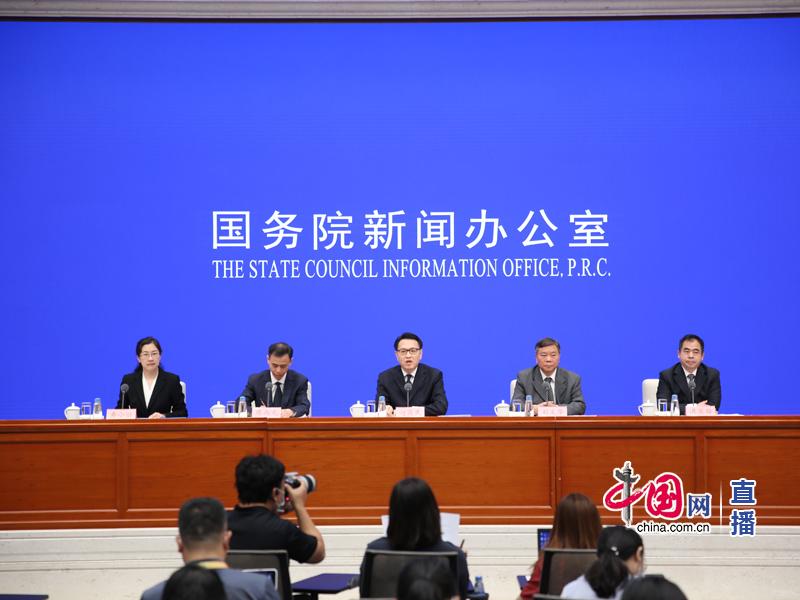
The picture shows the conference site. Photo by China Net Lun Xiaotong
Shou Xiaoli, Information Bureau of the State Council Information Office:
Good morning, ladies and gentlemen. Welcome to the press conference of the State Council Information Office. The second national pollution source survey, which started in 2017, is an important work of ecological environment protection. Today, we are very happy to invite Mr. Zhao Yingmin, Vice Minister of the Ministry of Ecology and Environment, and ask him to introduce the bulletin of the Second National Pollution Source Survey and answer your concerns. Also present at today’s conference were Mr. Liu Wenhua, Director of the Energy Statistics Department of the National Bureau of Statistics, Mr. Liao Xiyuan, Director of the Science and Technology Education Department of the Ministry of Agriculture and Rural Affairs, and Mr. Hong Yaxiong, Director of the Second National Pollution Source Survey Office of the Ministry of Ecology and Environment.
Let’s invite Mr. Zhao Yingmin to make an introduction.
Zhao Yingmin, Vice Minister of Ecology and Environment:
Thank you, host. Good morning, ladies and gentlemen, friends from the press. Thank you for your long-term concern and support for ecological environment protection. According to the regulations of the national pollution source census and the requirements of the State Council on the second national pollution source census, 15 units and departments including the Ministry of Ecology and Environment, the National Bureau of Statistics and the Ministry of Agriculture and Rural Affairs jointly carried out the second national pollution source census from 2017 to 2019. It is the legal requirement of the national pollution source survey regulations to carry out the national pollution source survey regularly. The first pollution source survey was 10 years ago. This pollution source survey is a systematic project under the background of building a well-off society in an all-round way and resolutely winning the battle against pollution. It is also a major national survey to comprehensively understand the base of building a beautiful ecological environment in China, so it is of great significance.
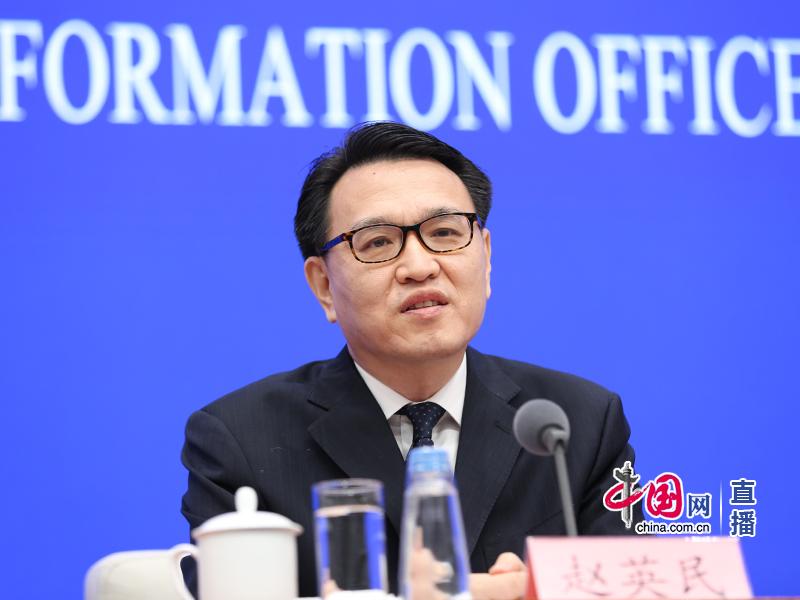
The picture shows Zhao Yingmin, Vice Minister of the Ministry of Ecology and Environment, introducing the situation. Photo by China Net Lun Xiaotong
The CPC Central Committee and the State Council attached great importance to this census. Under the unified leadership and deployment of the leading group for the second national census of pollution sources in the State Council, census institutions in all regions, departments and levels carefully organized and solidly promoted the census of pollution sources in accordance with the principles of unified national leadership, division of labor and cooperation among departments, local responsibility at different levels, and joint participation of all parties. Hundreds of thousands of census personnel were rigorous and responsible, worked hard, and the majority of census objects fully cooperated, overcoming the characteristics of tight time, heavy tasks and great technical difficulties.
The standard time of the second national pollution source survey was December 31st, 2017, and the period data was 2017. It went through three stages: preliminary preparation, comprehensive survey and summary release, and conducted a comprehensive survey on more than 3.58 million units and self-employed households with pollution discharge, and obtained basic information and pollutant discharge information about industrial pollution sources, agricultural pollution sources, domestic pollution sources, centralized pollution control facilities and mobile sources. The whole census work was carried out in strict accordance with the census plan issued by the General Office of the State Council, and a quality control system covering the whole process and all participants was established, which ensured that the census results were true, accurate and comprehensive, and achieved the established work objectives. Relevant census results were reflected in the bulletin of the second national pollution source census. For details, please refer to friends.
Now, my colleagues and I are willing to answer your questions. Thank you.
Shou Xiaoli:
Let’s enter the question-and-answer session. Please inform your news organization before asking questions.
CCTV reporter from the Central Radio and Television General Station:
What achievements have been made in the second national pollution source survey? What are the main environmental pollution problems in China at present? Thank you.
Zhao Yingmin:
Thank you. The results of the second national pollution source survey are mainly reflected in five aspects:
First, the basic situation, quantity, structure and distribution of all kinds of pollution sources in China have been found out. By the end of 2017, the number of various pollution sources in China was 3,583,200 (excluding mobile sources). Among them, there are 2,477,400 industrial sources, 639,500 living sources, 378,800 livestock and poultry farms and 84,000 centralized pollution control facilities. Among them, the number of various pollution sources in Guangdong, Zhejiang, Jiangsu, Shandong and Hebei provinces accounts for 52.94% of the national total, and the number of pollution sources in China, especially the number of industrial pollution sources, basically shows a gradual decrease from east to west. In terms of industries, five industries, namely, metal products, nonmetal mineral products, general equipment manufacturing, rubber and plastic products, and textiles and garments, account for 44.14% of the total industrial pollution sources in China. In addition, by the end of 2017, there were 267 million motor vehicles, 4.132 million construction machinery, 762 million kilowatts of diesel power for agricultural machinery and 278,000 ships in operation. In 2017, the national diesel locomotive fuel consumption was 2,461,800 tons, and the civil aviation took off and landed 10,248,900 times, which is the basic distribution of various pollution sources.
Second, we have mastered the emissions of various pollution sources. From the national water pollutant discharge situation, the chemical oxygen demand is 21.4398 million tons, the total nitrogen is 3.0414 million tons, and the ammonia nitrogen is 963.4 million tons. In terms of emissions, the Yangtze River, Pearl River and Huaihe River basins have large drainage areas and involve many provinces, and the emissions of pollutants such as chemical oxygen demand, total nitrogen and ammonia nitrogen are relatively large. From the perspective of emission intensity, the pollutant emission intensity of unit water resources in Haihe River, Liaohe River and Huaihe River basins is large. The emission of air pollutants in China is: 17,852,200 tons of nitrogen oxides, 16,840,500 tons of particulate matter and 6,963,200 tons of sulfur dioxide. This time, we also investigated the emissions of volatile organic compounds in some industries and some fields, with a national total of 10.1745 million tons. Beijing-Tianjin-Hebei and its surrounding areas, the Yangtze River Delta and the Fenwei Plain are areas where the emission intensity of air pollution sources per unit area is relatively high in China. As we all know, these three areas are also key areas for air pollution prevention and control determined by the state. The situation of solid waste in China is as follows: in 2017, the output of general industrial solid waste was 3.868 billion tons, the comprehensive utilization was 2.062 billion tons, the disposal was 943 million tons, and the storage in that year was 931 million tons. The output of straw in China is 805 million tons, and the utilization is 585 million tons. The output of general solid waste in Shanxi, Inner Mongolia, Hebei, Shandong and Liaoning provinces accounts for 42.4% of the country, and the comprehensive utilization of general industrial solid waste in Shandong, Hebei, Shanxi, Anhui and Jiangsu provinces accounts for about 40% of the country.
Third, the archives of key pollution sources and the pollution source information database have been improved. This census has formed a unified database for the second national pollution source census, with more than 1,800 database tables, 15,000 data fields and 150 million data records, forming a "one map" for the second national pollution source census. According to the requirements of the management method of pollution source census files, all files have been managed in an orderly manner and stored safely.
Fourthly, a group of business backbones with the spirit of environmental protection iron army have been trained. In the census work, enumerators and census instructors at all levels carry forward the spirit of environmental protection iron army, work hard and work hard. Through systematic training and on-site investigation, they understand the production technology, pollution control technology and environmental protection facilities of key industries and enterprises, and master the accounting methods of various pollutant emissions. In the process of summarizing the census results, through analysis and induction, we have grasped the environmental policy and the current environmental situation, and have been comprehensively studied and improved. Through the census, a group of comprehensive talents with high sense of responsibility and dedication, familiar with policies and proficient in business have been trained.
Fifth, the environmental awareness of the whole people has been further improved. The census took a long time, lasting three years. During the whole census period, through multimedia and multi-way publicity, the majority of friends in the press gave strong support, widely mobilized all sectors of society and actively participated in the census work, which improved the environmental awareness of the whole society and created a good atmosphere for the census. This is the main result of this census.
Through the census, we also see that at present, on the one hand, great progress has been made, on the other hand, the census also reflects several problems: First, the emissions of four pollutants, namely chemical oxygen demand, nitrogen oxides, particulate matter and volatile organic compounds, all exceed 10 million tons, and these four pollutants are very important for improving the environmental quality of our current atmosphere and water, which is the focus of our next work. Second, agricultural sources and domestic sources contribute a lot to the discharge of water pollutants, motor vehicles contribute a lot to the discharge of nitrogen oxides, and industries, domestic sources and motor vehicles contribute a lot to volatile organic compounds. These pollution sources involve many subjects, and unlike the traditional centralized discharge in the past, many of these fields are unorganized discharge or non-point source discharge, so it is more difficult to control and supervise. Third, the environmental protection infrastructure in rural and western areas is still lagging behind the whole country or the eastern region, and it is necessary to further increase investment. Fourth, the emission intensity of key river basins and key regions is high, and the task of adjusting the industrial structure and layout of these river basins is arduous. Fifth, through the general survey, it is reflected that China’s ecological environment governance system and governance capacity need to be further improved. Through the general survey, we feel that these problems have clarified the family background and pointed out the direction for the next step to do a good job in ecological environment protection and improve the quality of the ecological environment. We need to continue to work hard in the future to overcome difficulties and finally improve the quality of the ecological environment. Thank you.
China Daily reporter:
According to my personal understanding, data is a very important basis for census. May I ask what the National Bureau of Statistics has done and what measures have been taken to determine the direction for the scope of this census and ensure the smooth progress of the census? Thank you.
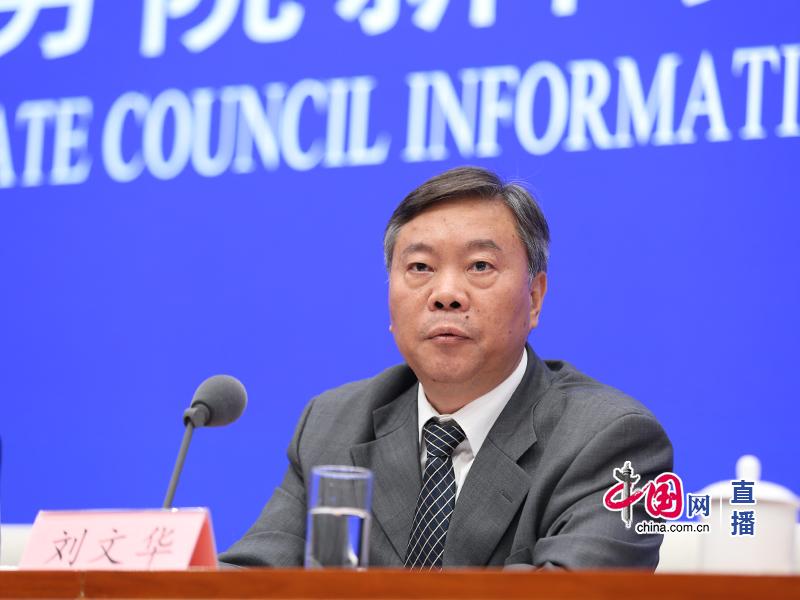
The picture shows Liu Wenhua, Director of the Energy Statistics Department of the National Bureau of Statistics, answering a reporter’s question. Photo by China Net Lun Xiaotong
Liu Wenhua, Director of Energy Statistics Department of National Bureau of Statistics:
Thanks for asking. As a comprehensive statistical department of the government and a member of the second national pollution source survey leading group, the National Bureau of Statistics has mainly done the following three aspects in this pollution source survey:
First, assist in the examination and approval and filing of the census report system. According to the requirements of statistical law, all investigation and census plans must be submitted for approval by the National Bureau of Statistics. At the same time, we participated in the design of census scheme and related technical scheme, and provided suggestions and references for various systems, methods and reports in the census process from the perspective of statistical specialty.
Second, we make full use of the information sharing mechanism of the department to provide relevant industry information, unit directory database and relevant statistical data to the Ministry of Ecology and Environment in a timely manner. We know, where can we find the source of pollution? We can’t "completely blind". In the fourth economic census just released last year, we produced the latest unit directory information, including unit name, address, main business, etc. This information undoubtedly plays an important role in locating pollution sources and improving the efficiency of pollution source census, which is one aspect we provide. On the other hand, we provide relevant statistical data to help verify the quality of census-related data.
Third, it is mainly to guide the quality management of census data. Because the quality of census data is a key matter, from the perspective of our statistical professional department, we should cooperate with the Ministry of Ecology and Environment to do a good job in the quality analysis and evaluation of census data, including providing data, assisting in the verification and evaluation of census data, and participating in the publication of census bulletins and census results. Because there are many specific tasks in the census process, we participate in it, do a good job of assistance and provide suggestions.
Mainly in these three aspects, thank you for asking.
Hong Kong China Rating Society reporter:
We know that the number of enterprises involved in the second national pollution source survey is very large. Excuse me, how to ensure the quality of data sources of pollution source census? How to ensure that the data provided by each enterprise is true? Thank you.
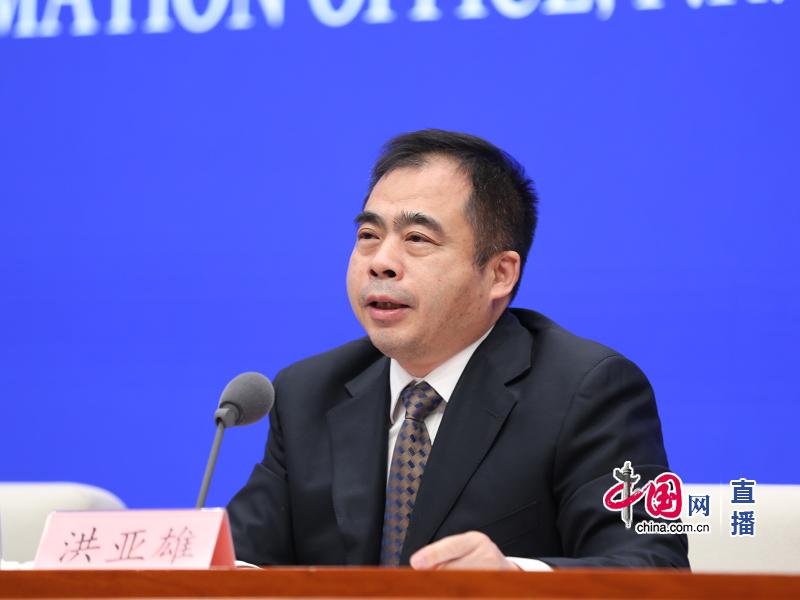
The picture shows Hong Yaxiong, director of the Second National Pollution Source Survey Office of the Ministry of Ecology and Environment, answering a reporter’s question. Photo by China Net Lun Xiaotong
Hong Yaxiong, Director of the Second National Pollution Source Survey Office of the Ministry of Ecology and Environment:
Let me answer your question. Thank you very much for your concern about the quality of our census. Your concern about the quality of the census is also our concern from beginning to end in the process of pollution source census. Because data quality is the lifeline of pollution source census, in order to ensure pollution source census, we define quality as true, accurate and comprehensive. We have fully implemented the quality management system of the second national pollution source survey in terms of establishing system norms, strengthening the implementation of responsibilities and strengthening on-site verification, and achieved very good results. We mainly do a good job in the following four aspects:
First, do a good job in top-level design. Establish various quality management systems and supporting technical specifications. According to the requirements of pollution source census scheme, combined with the key points and difficulties of quality management in each stage of census, we have formulated the regulations covering the whole process of census and the quality management of census data for all staff, defined the responsibilities of census institutions at all levels and third-party institutions to participate in census work, stipulated the management requirements for selecting census enumerators and census instructors, and formulated the technical specifications for census quality control by pollution sources and industries, which provided a basis for the implementation of census data quality management.
Second, the responsibility of strict quality management is implemented. According to the characteristics of the work in the stages of inventory, comprehensive investigation and census data summary, we regularly schedule the implementation of census data quality responsibility by census institutions at all levels from beginning to end, and conduct spot checks on the training of enumerators and census instructors by means of investigation, investigation and quality spot checks. We quantitatively track the implementation of the responsibility of census data quality audit and the rectification of problems found by the higher authorities. For census institutions and related personnel who do not seriously implement the responsibility of quality management, we take the form of reminding, informing and sending supervision letters to urge census institutions and related personnel involved in the census to strictly implement the responsibility of census data quality.
Third, strengthen the on-site control of census data quality. In the data collection stage, quality audit is the first pass of the census. In this process, as you said, we have to obtain a lot of data in the face of more than 3 million census objects. At this stage, it is very important to fill in the basic information of pollution sources comprehensively and accurately, and the subsequent pollutant emissions can be accurate and reliable. Just as we button the first button when we dress, the first button must be buttoned straight. To this end, while strengthening the full coverage of training, census institutions at all levels make full use of small videos and other means to clarify the filling requirements, auditing requirements and skills in using relevant auditing software, so that enumerators and census objects can understand the filling requirements. At the same time, we organized various forms of inspection, spot check, sampling and centralized audit to find and solve problems by dissecting sparrows. Through these means, we firmly grasp the quality of on-site reporting and ensure the quality of data.
Fourth, strengthen the centralized audit of the census results summary data stage. At the national level, a centralized data audit environment was deployed, and experts from various industries and local technical backbones were invited to conduct centralized audits by source and industry. According to the principle of legal, scientific and accurate audit, through the comparison of census big data in different regions, industries and river basins, the problems were analyzed and found, and then the rectification was organized, forming a mechanism of interaction, discovery and solution. At this stage, it has played a very good role in further improving the data quality of the census. Through the national quality assessment, our data quality has reached the expected requirements. Thank you.
China News Service reporter:
My question is, compared with the first national pollution source survey, what are the differences between the results of this survey? Compared with ten years ago, what changes have taken place in the overall situation of pollution sources? Thank you.
Zhao Yingmin:
As I said just now, the standard time for the first pollution source survey was December 31, 2007, and the standard time for this survey was December 31, 2017, a total difference of ten years. Let’s recall that the past decade, especially since the 18th National Congress of the Communist Party of China, has been a decade in which our country has vigorously promoted the construction of ecological civilization and rapidly improved the quality of the ecological environment. From the results of this census, we can also see the changes in this decade, mainly in three aspects:
First, the emissions of major pollutants have dropped significantly. Compared with the data of the first national pollution source survey, the emissions of pollutants such as sulfur dioxide, chemical oxygen demand and nitrogen oxides in 2017 decreased by 72%, 46% and 34% respectively compared with that in 2007, reflecting the great achievements made by our country in pollution prevention and control in recent years.
Second, the industrial restructuring has achieved remarkable results. First, the concentration of production capacity in key industries has increased. Compared with 2007, the output of paper, steel, cement and other industries in China increased by 61%, 50% and 71% respectively, and the number of enterprises decreased by 24%, 50% and 37% respectively. The output increased and the number of enterprises decreased, and the average output of a single enterprise increased by 113%, 202% and 170% respectively. Second, the emissions of major pollutants in key industries have dropped significantly. Compared with 2007, the chemical oxygen demand in the paper industry decreased by 84%, sulfur dioxide in the steel industry decreased by 54%, and nitrogen oxides in the cement industry decreased by 23%. It can be seen that the quality of economic development has improved in the past decade, and the number of enterprises has decreased, but the concentration of production capacity has increased. While the output of products has increased, the discharge of pollutants has dropped significantly, that is, the discharge of pollutants per unit product has dropped significantly.
Third, the pollution control capacity has been significantly improved. The number of wastewater treatment, desulfurization and dust removal facilities in industrial enterprises is 2.4 times, 3.3 times and 5 times that in 2007, respectively, which are several times the number of pollution control facilities ten years ago. The manure treatment capacity of livestock and poultry breeding has been generally improved. The utilization ratio of manure and urine in livestock and poultry scale farms has reached 85% and 78% respectively, and the proportion of dry cleaning manure in pig scale farms has increased from 55% in 2007 to 87% in 2017. The urban infrastructure construction has achieved remarkable results, and the pollution control capacity has been greatly improved. Compared with ten years ago, the number of urban sewage treatment plants has increased by 5.4 times, the treatment capacity has increased by 1.7 times, the actual sewage treatment capacity has increased by 2.1 times, and the removal rate of chemical oxygen demand of urban domestic sewage has increased from 28% in 2007 to 67% in 2017. The number of domestic waste disposal plants has increased by 86% in ten years, among which the number of waste incineration plants has increased by 303%, the incineration capacity has increased by 577%, and the proportion of incineration capacity has increased from 8% ten years ago to 27%. The number of hazardous waste centralized utilization and disposal plants has increased by 8.22 times, and the designed disposal capacity has increased by 42.79 million tons/year, which is 10.4 times that of the last census. The amount of centralized disposal and utilization increased by 14.67 million tons, 12.5 times higher than ten years ago. By comparing with the results of a pollution survey, we can see the achievements of our country in ecological environment in the past ten years. Thank you.
China Education TV reporter:
We have seen that the current epidemic situation has been effectively controlled, but with the resumption of work and production by the whole society, we have also noticed that retaliatory pollution has appeared in some areas. Excuse me, under such circumstances, how should we respond effectively? How should individuals do their own health protection? Thank you.
Zhao Yingmin:
The sudden outbreak of COVID-19 has brought challenges and pressures to all aspects of our country’s economy and society, including ecological environment protection. Under such circumstances, there are many voices in the society, or there are some worries about whether the environmental protection work will decline or regress due to the impact of the epidemic. I think this problem is actually a concern of many friends. The answer lies in the important instructions made by the General Secretary of the Supreme Leader during his inspection in some places since the epidemic and during the group discussion during the "two sessions".
General Secretary of the Supreme Leader said that in the process of China’s economy changing from a high-speed growth stage to a high-quality development stage, pollution prevention and environmental management are an important threshold that needs to be crossed. We must bite the bullet to climb this slope and cross this threshold, and we must keep our determination to strengthen the construction of ecological environmental protection unshakable, unrelenting and silent. Economic development cannot be at the expense of destroying the ecological environment. Protecting the ecological environment means developing productive forces. The general secretary’s speech is the fundamental follow-up and action guide for our ecological environment protection work, and we resolutely implement it. At present, the downward pressure on the economy continues to increase, and the global risk challenges are rising obviously. Under the influence of multiple factors, ecological environmental protection will maintain its strategic strength with the same direction and undiminished strength, and will never take the old road of developing one place at the expense of the ecological environment. Instead, it will give full play to the role of ecological environmental protection in reversing, promoting and leading the optimization and upgrading of industrial structure and the green transformation of development mode, promote the formation of green development mode and green lifestyle, and promote high-quality economic development with high-level ecological environmental protection.
At the same time, we will also pay more attention to innovative working methods, adopt more targeted strategies and methods according to time, situation and place, highlight precise pollution control, scientific pollution control, and pollution control according to law, and solidly promote pollution control. We should also co-ordinate supervision and assistance, deeply understand the concerns of enterprises, send policies, technologies and solutions to enterprises, and effectively help enterprises solve practical difficulties in pollution control. The outbreak of the COVID-19 epidemic has also brought us reflection, one of which is to remind us once again that the whole society should advocate a green and healthy lifestyle and pay more attention to caring for the ecological environment. Thank you.
Guoguang reporter from Central Radio and Television General Station:
What measures has the Ministry of Agriculture and Rural Affairs taken to strengthen the prevention and control of agricultural pollution? What changes have been made in agricultural pollution discharge compared with the first pollution source survey? Thank you.
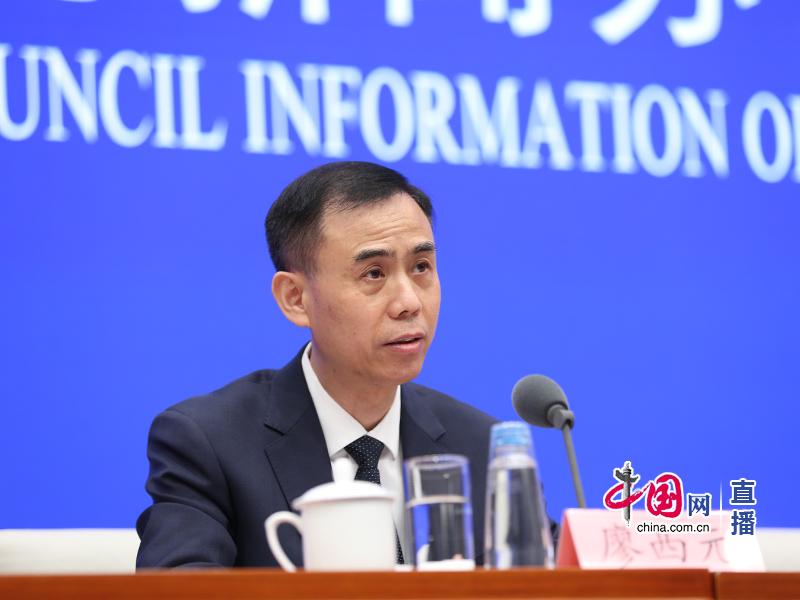
The picture shows Liao Xiyuan, Director of the Science and Technology Education Department of the Ministry of Agriculture and Rural Affairs, answering a reporter’s question. Photo by China Net Lun Xiaotong
Liao Xiyuan, Director of Science, Technology and Education Department of Ministry of Agriculture and Rural Affairs:
Thank you for your concern about agricultural and rural work. It has been ten years since "one pollution" to "two pollution". During this period, China’s grain output has increased from 500 million tons to 660 million tons, meat, eggs and milk output has increased from 120 million tons to 140 million tons, aquaculture output has increased from 31 million tons to 47 million tons, and the supply of grain and important agricultural products is sufficient. At the same time, the pollution emissions in the agricultural field decreased significantly, and the chemical oxygen demand, total nitrogen and total phosphorus emissions decreased by 19%, 48% and 25% respectively. It can be said that the output of agriculture is getting higher and higher, the pollution discharged is getting less and less, and the green background is getting brighter and brighter.
The CPC Central Committee and the State Council attached great importance to the green development of agriculture. General Secretary of the Supreme Leader has repeatedly stressed that promoting the green development of agriculture is a profound revolution in the concept of agricultural development; Agricultural development should not only put an end to the new debts owed by the ecological environment, but also gradually pay back the old debts. The Ministry of Agriculture and Rural Affairs thoroughly implemented the central decision-making and deployment, insisted on putting green development in a prominent position, accelerated the transformation of agricultural development mode, launched a tough battle to prevent and control agricultural non-point source pollution, and implemented five major actions of agricultural green development. The use of chemical fertilizers and pesticides has been negative for three consecutive years. The comprehensive utilization rate of livestock manure reached 75%, the comprehensive utilization rate of straw reached 85%, and the recovery rate of agricultural film reached 80%. Agricultural development has shifted from relying mainly on resources and consumption to sustainable development in the past, initially forming a new pattern of promoting agriculture with quality, efficiency and green.
The first is to strengthen policy support. We will implement the Opinions on Innovating System and Mechanism to Promote the Green Development of Agriculture issued by the State Council of China, and establish and improve systems for resource conservation and utilization, reduction of agricultural inputs, and recycling of livestock manure. Improve the green-oriented agricultural subsidy system, explore the agricultural ecological compensation mechanism, and promote the establishment of supporting policies such as finance, land use and electricity consumption for the green development of agriculture. Cultivate new market players, carry out socialized and specialized services, and promote the third-party treatment of agricultural pollution.
The second is to strengthen demonstration and guidance. Organic fertilizer instead of chemical fertilizer was carried out in 175 counties in the dominant production areas of fruit, vegetable and tea, and a number of typical production technologies and operation modes were integrated and popularized. In 705 counties, the recycling of livestock manure was implemented, and the construction of breeding manure treatment facilities was carried out throughout the county. Implement straw treatment actions in 200 counties to create a typical model for the full utilization of straw in the whole region. Carry out agricultural film recycling operations in 100 counties in northwest China, and promote the application of standard plastic film, mechanized picking and specialized recycling. Zhejiang, Hainan and Anhui provinces have carried out demonstration construction of eco-circular agriculture, and 80 rural green development demonstration zones have been established nationwide, and 53 counties in 8 provinces of the Yangtze River Economic Belt have carried out comprehensive management of agricultural non-point source pollution.
The third is to strengthen scientific and technological support. Optimize the layout of agricultural science and technology resources, strengthen basic research on agricultural pollution prevention and control, and integrate demonstration and application of key technologies. Establish national scientific and technological innovation alliances such as chemical fertilizer and pesticide reduction and efficiency improvement, livestock and poultry waste treatment, deepen the cooperation between enterprises in Industry-University-Research, and work together to break through the technical bottleneck of agricultural pollution prevention and control. Release major leading agricultural green production technologies, and recommend 100 leading agricultural technologies with high quality, safety, cost saving, high efficiency and eco-friendliness.
The fourth is to strengthen monitoring and evaluation. A "network" for agricultural eco-environmental monitoring has been established throughout the country, with 40,000 farmland soil environmental quality, 240 farmland nitrogen and phosphorus loss, 500 agricultural film residues and 280 state-controlled monitoring points for straw resources, and long-term routine monitoring has been carried out to keep abreast of the dynamic changes of agricultural eco-environment and support scientific and accurate pollution control.
The fifth is to strengthen assessment and evaluation. In accordance with the requirements of environmental protection in the management industry, we should fulfill the responsibilities of agricultural and rural departments and fully implement the responsibility of ecological environmental protection. Refine and decompose the target tasks and establish a regular scheduling mechanism. Strengthen work guidance services for key areas and promote the implementation of tasks. Through special inspection, annual evaluation and third-party evaluation, we will strengthen performance appraisal and improve the linkage mechanism between work implementation and financial support.
At the same time, we are also soberly aware that China’s agricultural green development is in its infancy, the investment in resources is still at a high level, the pressure on the ecological environment not to owe new accounts and gradually repay old accounts is still great, and the long-term mechanism of green development is still not perfect, which requires continuous efforts and long-term achievements. In the next step, we will thoroughly implement the supreme leader’s ecological civilization thought, firmly establish a new development concept, put green development in a more prominent position, vigorously promote the reduction of agricultural inputs, clean production, recycling of wastes, and ecologicalization of industrial models, continuously improve the agricultural ecological environment, and promote rural ecological revitalization. Thank you.
Shou Xiaoli:
One last question.
Economic Daily reporter:
How will the census results be applied? What ideas does the second national pollution source survey provide for pollution control? Thank you.
Zhao Yingmin:
The results of the second national pollution source survey have played a very important role in winning the battle against pollution and supporting the national ecological environment protection work in the future. There are three main aspects:
First, the census results have been widely used in the battle against pollution. Focusing on four key questions: "Where are the pollution sources, what to discharge, how to discharge them and how much to discharge them", this census has established key pollution source files and pollution source information databases covering 3.583 million census objects nationwide. On the basis of protecting the privacy of all kinds of respondents in the later stage of the census, the office of the census leading group timely summarized and summarized the census results, which provided basic support for strengthening the supervision of pollution sources, supervision and assistance in key areas, issuance of pollution discharge permits, environmental risk investigation, major scientific and technological research projects, and provided strong support for accurate, scientific and legal pollution control.
Second, the census results reveal the current situation of ecological environmental protection in China, especially the latest and most comprehensive situation of key areas, key areas, key river basins, key industries and key pollutants in the future. Through analysis, application, induction and summary, the laws and trend achievements will provide basic support for the national economic and social development and ecological environment protection during the 14 th Five-Year Plan.
Third, the results of the census have explored a set of technical methods and trained a team, which has provided long-term support for the ecological environment management during the Tenth Five-Year Plan and beyond. Thank you.
Shou Xiaoli:
That’s all for today’s press conference. Thank you, Minister Zhao, the publishers and the journalists.