Comment on People’s Art: Taking Talents as the Basis and Injecting inexhaustible Power into Non-genetic Inheritance

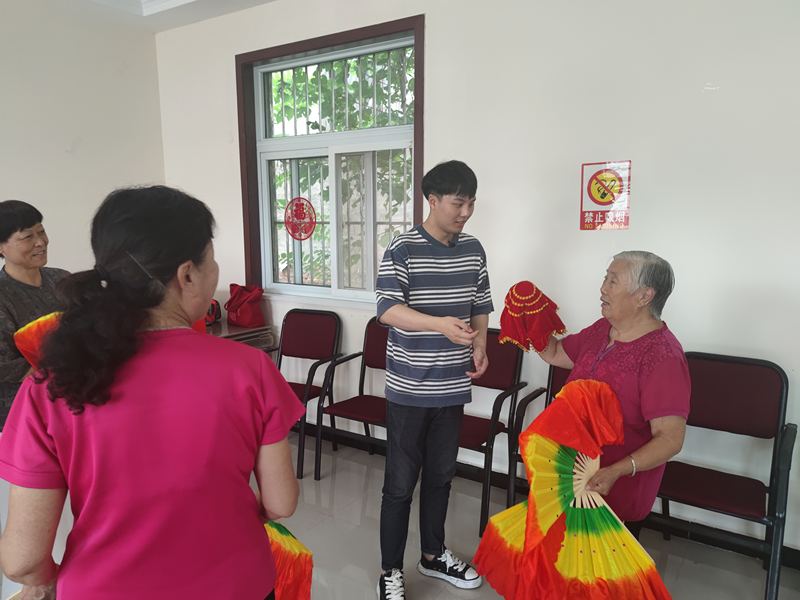
  Recently, the 7th China Intangible Cultural Heritage Expo was held in Shandong. Male prostitute, Peking Opera Mask, Tai Ji Chuan, Guangshan Huagu Opera, Tang Sancai Burning Skills, Xuzhou Xiangbao, Miao Xiu and other representative non-legacy skills, new works and special performances from all over the country were exhibited. A total of 332 non-legacy inheritors and 284 non-legacy projects participated in the exhibition.

  At present, 42 non-legacy projects in China have been selected into UNESCO’s non-legacy list and roster, making it the country with the largest number of non-legacy projects in the world. Behind this achievement is the unknown efforts and efforts of non-genetic inheritors in previous dynasties. Intangible cultural heritage, as an important symbol of the historical and cultural achievements of the country and the nation, not only bears the unique national memory, but also survives in the people’s lives in the process of generation replacement, which is of great significance for building a socialist cultural power.

  China is rich in intangible cultural heritage resources. Up to now, there are more than 100,000 intangible cultural heritage projects at all levels. With the joint efforts of the whole society, many intangible cultural heritages have re-emerged with new vitality. However, compared with many traditional cultures and traditional skills that are facing the risk of cutting off their inheritance, how to protect and explore the intangible cultural heritages so that they can "survive" and "catch fire" is still the top priority of our intangible cultural development.

  The key to let the non-legacy "survive" and "fire up" is to work hard to train the inheritors. China’s intangible cultural heritage projects are all amazing to the world, and once the skills of ancestors appear age or technical fault, there is a risk of being lost. Faced with the stringent requirements of intangible cultural heritage achievements, only a handful of people can bear the title of "non-genetic inheritor" with excellent skills after big waves. And if you want to inherit and carry forward the glorious legacy, you can’t do it quickly. Undoubtedly, the process of learning non-legacy skills has to endure hardships and loneliness. It is often necessary to concentrate on studying for several years or even more than ten years, carefully carving day after day, and silently sticking to the initial intention and persistence of non-legacy. A few days ago, the General Offices of the General Office of the Central Committee of the CPC and the State Council issued the "14th Five-Year Plan for Cultural Development", which clearly stated that "strengthening the cultivation of non-genetic inheritors." It can be said that the key to strengthening the inheritance of intangible culture lies in people, and it is urgent and imperative to cultivate more non-genetic inheritors.

  Cultivating more non-genetic inheritors requires more policy support. At the government level, it is necessary to refine the relevant policies and give comprehensive guidance. Improve the record system of intangible cultural heritage investigation, grasp the overall situation, focus on representative projects, start with the identification and system of inheritors, explore the standards and methods of identification, and form policy support for the cultivation of non-genetic inheritors.

  At the social level, it is necessary to strengthen the education of non-legacy science, especially from dolls, and set up non-legacy education bases to make more children interested in non-legacy. In addition, it is necessary to carry out the communication activities of intangible cultural heritage in various ways, and plant the concept of "non-inheritance is great and glorious" in people’s hearts, so that young people engaged in the study of intangible cultural heritage can gain more understanding and respect from society and families.

  It is necessary to "fire up", but also to expand the market, to actively embrace new technologies and glow with new vitality. We see that with the organic combination of new technologies and intangible cultural heritage, the spread of intangible cultural heritage has completely broken through the geographical restrictions. With the help of new opening methods such as internet plus and VR, intangible cultural heritage IP has become fashionable among young people. For example, a martial arts game combined with Xijiang Qianhu Miao Village, the first Miao village in the world, and three representative non-genetic inheritors of Miao nationality, added Miao cultural elements to the plot, architecture and costumes, which made more young people interested in exploring non-heritage students. The essence of ancient culture from China also entered the homes of ordinary people and passed down imperceptibly in the digital age.

  Chinese excellent traditional culture is the root and soul of the Chinese nation, and intangible cultural heritage, as an indispensable part of it, should be passed down through generations while continuing its glory. It is believed that with the continuous expansion of the market, more talents will join the team of inheritors and the team of protecting intangible heritage, so that intangible heritage can be better integrated into the daily life of Chinese and inject new vitality into the protection and inheritance of intangible heritage.

Chengdu Rural Commercial Bank bid farewell to Anbang Insurance, and the largest shareholder spent local state capital.


  Since the Anbang incident, Chengdu Rural Commercial Bank Co., Ltd. (hereinafter referred to as "Chengdu Rural Commercial Bank"), the largest shareholder, has been paid close attention to by the market.


  Earlier, it was reported that Chengdu Xingcheng Investment Group (hereinafter referred to as "Xingcheng Investment") would replace Anbang Insurance Group Co., Ltd. (hereinafter referred to as "Anbang Insurance") in Chengdu Rural Commercial Bank, but there was no official response.

  On March 11th, the news was finally verified. In the afternoon, the announcement issued by Chengdu Agricultural Bank in official website showed that Xingcheng Investment intends to accept 3.5 billion shares of the bank held by Anbang Insurance, a shareholder of the bank, accounting for 35% of the shares.


  In a Letter of Commitment for Major Shareholders of Chengdu Rural Commercial Bank Co., Ltd. dated January 9, 2020, Xingcheng Investment also confirmed the above-mentioned equity transfer, but disclosed the specific capital contribution.


  According to the equity transfer project of Chengdu Rural Commercial Bank on December 30, 2019, the price of 3.5 billion shares transferred this time is about 16.5 billion yuan.


  According to official website, Chengdu Rural Commercial Bank, this bank is a joint-stock commercial bank reformed from the former Chengdu Rural Credit Cooperative. It was listed for business on January 15th, 2010, and completed capital increase and share expansion in 2011, with a registered capital of 10 billion yuan. The Bank has 649 institutions at all levels, including 1 business department of the Head Office, 8 branches, 173 sub-branches and 467 branch offices. All 39 zhongcheng village banks initiated in Shandong, Jiangsu, Fujian, Hebei, Sichuan, Yunnan and Xinjiang have been opened.


  According to the audit report of PricewaterhouseCoopers Zhongtian Certified Public Accountants, as of the end of October last year, the bank had total assets of 544.56 billion yuan, total liabilities of 493.978 billion yuan, operating income of 10.6 billion yuan and net profit of 6.285 billion yuan.


  21st century business herald reporter looked up Qixinbao and found that the shares of Chengdu Rural Commercial Bank were scattered. Except Anbang Insurance, only Chengdu Jiaozi Financial Holding Group Co., Ltd. held more than 5% of the shares. After the completion of the equity transfer, Xingcheng Investment will undoubtedly become the largest shareholder of Chengdu Rural Commercial Bank.


  It is worth noting that Xingcheng Investment is 100% owned by Chengdu SASAC and belongs to a state-owned enterprise with strong financial resources.


  According to public information, Xingcheng Investment was established in 2009 with a registered capital of 5.525 billion yuan. By the end of September 2019, the company’s total assets were about 198.2 billion yuan and its net assets were about 81.1 billion yuan.


  Two-year "shrinking table" 160 billion


  On December 30th, Beijing Financial Assets Exchange put up the equity transfer project of Chengdu Rural Commercial Bank. The proposed equity transfer project of Chengdu Rural Commercial Bank is divided into two parts. One is the 3.5 billion shares held by Anbang Insurance Group, and the listing price is about 16.508 billion yuan. Second, Anbang Insurance Group took over about 2.050 billion shares entrusted by Shanghai No.1 Intermediate People’s Court, with a listing price of about 9.669 billion yuan, with a total transfer of about 5.550 billion shares and a transfer price of 26.177 billion yuan.


  Chengdu Rural Commercial Bank was established on December 31, 2009 with a registered capital of 10 billion yuan. According to the special purpose audit report of PricewaterhouseCoopers, at the end of September 2019, the total assets of Chengdu Rural Commercial Bank were about 549.993 billion yuan and the net assets were 43.265 billion yuan; In the third quarter of 2019, Chengdu Rural Commercial Bank had an operating income of 9.076 billion yuan and a net profit of 3.987 billion yuan.


  Based on this calculation, the transfer price per share of Chengdu Rural Commercial Bank is 4.72 yuan, which is about 9% higher than the net capital premium of the bank at the end of September this year.


  Anbang cleared Chengdu Rural Commercial Bank for 16.5 billion yuan, which had been listed once before, but the transferee was delayed. In December 2018, Anbang Insurance Group listed and transferred its 35% stake in Chengdu Rural Commercial Bank at a transfer price of 16.8 billion yuan. According to the net assets of Chengdu Rural Commercial Bank at the end of September 2018 of 4.16 yuan per share, the transfer premium at that time was 1.15 times.


  At that time, an insider of a local bank in Sichuan said that the receiver of Chengdu Rural Commercial Bank may be state-owned assets in Sichuan Province, but the problem of taking over the largest asset of Anbang is the source of funds.


  Chengdu Rural Commercial Bank was once Anbang’s most important financial asset. By the end of 2016, the total assets of Anbang Life Insurance were 1.45 trillion yuan, while the total assets of Chengdu Rural Commercial Bank were 673.149 billion yuan, accounting for 46%.


  Looking back on the history of Anbang’s shareholding in Chengdu Rural Commercial Bank, in December 2009, the CBRC approved the opening of Chengdu Rural Commercial Bank. In September 2011, Anbang Insurance spent 5 billion yuan to acquire 35% of the bank’s equity and obtained a controlling position. The registered capital of Chengdu Rural Commercial Bank increased to 10 billion yuan.


  Judging from the information disclosed in the listing transfer, Chengdu Rural Commercial Bank has been "shrinking its table".


  The bank has not disclosed the financial report after the 2018 annual report. From the end of 2013 to the end of 2017, the total assets of Chengdu Rural Commercial Bank increased significantly from 429.316 billion yuan to 705.562 billion yuan, an increase of 1.64 times in four years. By the end of September 2019, the total assets of Chengdu Rural Commercial Bank had decreased to 549.993 billion yuan. By October, it had dropped to 544.56 billion yuan. That is, in the past two years, the asset scale of Chengdu Rural Commercial Bank has decreased by more than 160 billion yuan.


  21st century business herald 21 Asset Management+


  Xin Jizhao, editor of this issue


  Edit wechat: xinjz21


This article first appeared on WeChat WeChat official account: 21 Asset Management+. The content of the article belongs to the author’s personal opinion and does not represent Hexun.com’s position. Investors should operate accordingly, at their own risk.

(Editor: Wang Zhiqiang HF013)

Before and after the Red Army established its first radio team

In December 1930, the Red Army captured the "half radio station" of the Kuomintang army.

foreword

The People’s Signal Corps started from the captured half of the radio station and grew rapidly in the war, becoming an important combat force of our army. Red radio waves transmit the party’s voice and issue the party’s orders, which plays a vital role during the revolutionary war. From the agrarian revolution in single spark can start a prairie fire to the arduous Long March, from the war-torn War of Resistance against Japanese Aggression to the magnificent war of liberation, and then to the war to resist U.S. aggression and aid Korea, red radio waves ensured the battlefield command and communication and ensured the coordinated and efficient actions of our army; Opened up a hidden battlefield and strengthened intelligence reconnaissance and confrontation against the enemy; Establish a publicity window for public opinion and expand the political influence of our party and army. In order to let more readers know about the development history of our army’s signal soldiers and radio undertakings, this edition has launched a series of manuscripts of "Never-Gone Red Radio Waves" from today, so please pay attention.

In 1931, the first radio communication team of the Chinese Workers and Peasants Red Army was established in the Central Soviet Area. Since then, the Red Army has used battlefield capture, class training and real-time application to overcome the difficulties of radio equipment shortage, lack of communication talents and lack of experience in application, and has developed and strengthened the radio communication cause of our party and army, providing effective information and communication guarantee for the central government to make decision-making arrangements and the troops to move flexibly and quickly, which is of great significance for breaking through the enemy’s military blockade and winning the war.

"Half Radio Station" lays the foundation

When organizing the "encirclement and suppression" of the Red Army, the Kuomintang already owned a long-wave radio station and used Morse code to send messages, while the Red Army mainly relied on sports communication and simple signal communication such as riding horses, messengers, whistles and bugles. Mao Zedong once said with emotion, "Without radio communication, the troops could not communicate, which seriously affected the operational command". Since October 1930, Chiang Kai-shek has mobilized more than 100,000 troops to carry out the first large-scale "encirclement and suppression" of the Central Soviet Area. At the end of December, two brigades of the 18th enemy division went deep into Longgang, the hinterland of the Soviet area. During the battle, the Red Army took advantage of the enemy’s shaky foothold, seized the favorable fighter plane, concentrated its superior forces to wipe out the enemy in one fell swoop, captured its teacher Zhang Huizan alive, and seized a 15-watt radio station with a spring lamp holder. The receiver and charger of the radio station were in good condition, but the transmitter was damaged and normal communication could not be carried out. Radio operators such as Wang Qian, Wu Rusheng, Wei Wengong, Liu Yin and Liu Shengbing, who were mobilized to join the Red Army voluntarily, became the first operators of the Red Army. Three days later, the Red Army annihilated the enemy’s 50th Division in the battle of Dongshao and seized an intact 15-watt radio station. On January 3, 1931, Mao Zedong and Zhu De cordially received Wang Chen and others, and ordered Wang Chen to set up the first radio station team of the Red Army. Zhu De pointed to the captured radio station and said, "No matter what weapons and equipment the White Army has, the Red Army will have them. If not, the enemy will’ send’ them to us."

On January 6, 1931, the East Room of the General Staff Office of the Red Army was arranged as a "newspaper room", and Wang Chen and others installed and tested this radio station for the first time. At this time, this radio station cannot establish radio communication, and can only be used to copy the news and telegrams of the Kuomintang Central News Agency. After debugging, the radio station received the first speeding radio wave. Mao Zedong praised the telegraph news sent by the radio for the first time: "This is a newspaper without paper!" Since then, the Red Army began to use this radio station to capture enemy radio signals and understand the enemy’s movements, which provided a strong guarantee for the Red Army to grasp the fighters, make correct decisions and win by surprise.

In mid-January, 1931, the Red Army set up its first radio team in Xiaobu Town, Ningdu, Jiangxi Province, with Wang Chen as the captain and Feng Wenbin as the political commissar. Later, the Central Committee of the Communist Party of China sent Wu Yunfu, Zeng San and Tu Zuochao from Shanghai to the Central Soviet Area to strengthen the radio team. Mao Zedong, Zhu De and other leading comrades attached great importance to and strongly supported radio work. Zhu De almost goes to the radio station after supper every day to ask if there is any news. Mao Zedong also attaches great importance to radio communication. In the third anti-encirclement campaign, the Red Army assembled from western Fujian to Xingguo in southern Jiangxi. In order to break through the encirclement of the enemy, it was necessary to use the night to jump out from the gap about 20 kilometers apart between the two enemies. After the operation began, commanders and political cadres at all levels went deep into the company and demanded strict confidentiality of the operation. As the general political commissar of the Red Army, Mao Zedong is keenly aware that there is another loophole that may expose the whereabouts of the Red Army in the night-the radio signal of the radio station. He immediately asked the radio staff and learned that the radio station could not work without the key. So he sent someone to collect the call keys and give them to the guards and told them: No one is allowed to take them away until they reach their destination!

In view of the technical personnel who used to work in the Kuomintang army, Mao Zedong repeatedly instructed that we should do a good job in the unity of radio personnel, trust them politically, and even personally appointed Wang Wei to attend the Soviet Congress. For the business management and living arrangements of radio technicians, even if the Red Army was short of funds and supplies at that time, the monthly allowance for radio technicians was only much more than that of ordinary soldiers, and transport horses were given priority. With the concern of the Red Army leaders, the radio communication team has gradually grown.

Cultivate talents from scratch

After the establishment of the red army radio team, it mainly relied on retaining the technical personnel of the former Kuomintang army. The headquarters of the Red Army realized that in order to give full play to the role of radio stations, radio technicians were urgently needed. On January 28th, 1931, Mao Zedong and Zhu De jointly issued the Order of Selecting and Transferring Students to Learn Radio, and organized the first radio training in Ningdu, Jiangxi. Mao Zedong, Zhu De and other Red Army leaders often take time out to make situation reports and give political lessons to training classes. Mao Zedong encourages everyone to build an air bridge as soon as possible to connect the divided Soviet areas with radio waves. Zhu Deze encourages everyone to be not afraid of difficulties in building the Red Army’s radio communication career. At that time, the teaching conditions of the training class were very simple. The students used the shade as a classroom, the slate as a table, and the thumb of their left hand as an electric key to practice. The pencils could not be pinched with their fingers, and they were put on a small bamboo tube to continue to use. In four months, Wang Chen taught telegraphy and maintenance for the students, made electric keys from wood blocks and iron sheets, and made training equipment such as code trainers from old copper wires for 17 students to practice, and trained the first batch of radio communication personnel.

At that time, due to the tight blockade of the Central Soviet Area by the Kuomintang, the material conditions for the production of communication equipment were difficult. Wang Chen mobilized everyone to use local materials, smelt copper coins into thin copper plates for processing and manufacturing electrical components, and ground the horns into powder and pressed them into bakelite substitutes. With the unremitting efforts of the officers and men of the radio team, the Red Army finally formed the the Central Committee of the Communist Party of China Radio Communication Network.

Since then, the training team has been expanded into the Red Army Communication School. Until the eve of the Long March, 11 radio training courses have been held, which have trained more than 2,100 communication personnel in telegraph, maintenance, telephone, company number and semaphore, which has had a far-reaching impact on the future development of China revolution.

Make a name for yourself in the fight against "encirclement and suppression"

In the complicated and fierce struggle against "encirclement and suppression", Wang Chen proposed that the telegraph could be used to intercept enemy electricity to obtain information. He asked the communication class to put the antenna on the top of the mountain after dark to improve the communication effect and withdraw it before dawn to avoid exposure. At that time, the Kuomintang army’s telegraph translator and commander had not realized the importance of radio secrecy. Every time the radio station started to contact, they asked the other party where and who was in the main direction. Wang Chen and the members of the radio communication team listened and captured the useful information of the enemy radio station day and night. Wang Chen is familiar with the call sign of the Kuomintang army radio station and the methods used by radio operators to send telegrams, so he can judge the name of the sender from the signal of the receiver, and then judge the arrival time, place, serial number, distribution and action intention of the enemy, and master the information of the enemy’s action direction, retreat route, arrival position and command order, which provides an important basis for the leaders of the Red Army headquarters to make strategic decisions. Relying on this important information, the Red Army concentrated its forces and made a breakthrough from the relatively weak enemy forces, which directly contributed to the great victory of the second and third counter-campaign against "encirclement and suppression".

The Red Army’s good news came frequently, and Mao Zedong said happily in the military-civilian rally in the Soviet area, "We, the Red Army of workers and peasants, also have clairvoyance and ears.". In May, 1931, the Red Army seized a 100-watt radio station of the Gong Bingfan Department of the Kuomintang Army in the second anti-encirclement campaign. Radio technicians got in touch with the Central Committee of the Communist Party of China through this radio station. On November 7, 1931, the first National Congress of the Chinese Soviet opened in Yeping Village, Ruijin, Jiangxi. In several earthen houses not far from the meeting place, technicians of the Red Army Radio Station, such as Wang Chen and Liu Yin, broadcast the text through the previously seized 100-watt radio station. The news that the first national congress of the Chinese Soviet was held in Ruijin soon turned into airwaves and spread to the distance. The earliest news agency "Red China News Agency" (the predecessor of Xinhua News Agency) established by the Communist Party of China (CPC) in the revolutionary base area was announced. For the first time, our party crossed the enemy’s "iron wall" through radio, and announced to the whole country the good news of the establishment of the provisional central government in chinese soviet republic and the election of Mao Zedong as the chairman of the provisional central government, which spread the good news of victory to the people of the whole country.

(Source: China Military Network)

AI will accompany you for the Spring Festival | What should you say during the New Year? Fancy "AI Happy New Year" to learn.

"Dear upstream news readers, the Spring Festival is coming, and I want to give you all the beauty of fireworks and lights. I hope that your new year will be as wonderful as the life that goes around, and every step will be solid and firm, and you will meet your own wonderful moments no matter what day or night. "

Have you tasted some Dong Yuhui’s style after seeing this New Year’s greeting? Yes, this is a "Dong Yuhui style" blessing copy, which is automatically generated by Baidu App’s "AI Happy New Year".

With the arrival of the Spring Festival, Baidu App launched a new gameplay of "AI Happy New Year". Searching for "AI Happy New Year" in Baidu App can customize the exclusive Spring Festival greetings through AI. Whether it’s a the Year of the Loong homophonic terrier with a huge amount of dragons, a relaxed and interesting Tibetan poem, or a brilliant "Dong Yuhui style" greeting, there is always one for you. In addition, Baidu search has also launched innovative gameplay such as "AI draws a picture", "AI draws an avatar" and "AI takes a photo", and users can directly search for keywords to experience.

The reporter experienced in the special page of "AI Writing Blessings" of Baidu App "AI Happy New Year" that users can choose the style of blessing language, such as "advanced blessing for the minority", "writing Tibetan poems", "Dong Yuhui’s body blessing" and "customized blessing for special people". For example, if you choose "customized blessing for special people", you can choose to give it to your elders, teachers, friends and colleagues … … Then choose what you want to express, and you can immediately generate multiple greetings. You can copy the greeting directly, or you can choose to generate a greeting card and send it to your friends.

Let’s try it now, and use the "AI Happy New Year" black technology to add a surprise and good luck to yourself and your friends in the New Year.

Upstream journalist Yang Xinhua

Editor: Lareina C Editor: Liao Yi, Chen Jingjing Audit: Feng Fei.

A batch of imported cherries involved in the epidemic have flowed into Lean, Jiangxi Province and have been sold. Air conditioning and investigation are under way.

  On the evening of February 5, Lean County, Jiangxi Province received a letter of "Report on the Investigation of Epidemic-related Products" and learned that the products were positive in China. The batch of imported cherries from Chile with container number CXRU1568393 and entry inspection and quarantine number 12100000245548001 flowed into Le ‘an County, and the local authorities quickly started the investigation and disposal of imported cherry products, relevant personnel and the environment.

  After investigation, this batch of products flowed into E Guoyuan Fruit Shop at the entrance of Mingmen Capital Community in Le ‘an County, and all of them were sold out before January 10. Relevant work such as contact personnel control and environmental disinfection is being carried out, and relevant flow investigation work is continuing.

  At the same time, the local authorities issued a risk warning, informing citizens who bought imported cherry products related to the epidemic after 15: 00 on January 7, 2021 to go to the Health and Health Commission to carry out nucleic acid testing, and take the initiative to report to the local village group (community). (CCTV reporter Guo Yizhen Cao Zixiao)

survey

Survey map

Survey map

At present, with the sustained and rapid development of China, Chinese people’s pockets are getting bigger and bigger, their backs are getting harder and harder, but their hearts are getting more and more "fragile".

According to the random sampling survey of People’s Forum magazine, 45.1% of the party and government cadres considered themselves as "vulnerable groups". White-collar respondents reached 57.8%; Intellectuals (mainly employees of universities, scientific research and cultural institutions) accounted for 55.4% of the respondents; The online survey shows that as many as 70% think they are "vulnerable groups". Why do party and government cadres, white-collar workers and other "elites" feel "weak"? The existence of this universal emotion and the reasons behind it deserve further study.

In addition to extensive investigation, People’s Forum Magazine also invited many well-known experts to conduct in-depth discussions from multiple angles and levels:

For example, with the widening gap between the rich and the poor and the income gap in society, people have a sense of relative deprivation through social comparison.High house priceAnd the pressure of inflation has intensified this sense of deprivation.

For example, the relative concentration of power and capital leads to the formation of social exclusion system, which leads to the social phenomenon of "winner takes all" and "the poor get poorer", and the public mentality is inevitably unbalanced;

 For example, with the rapid transformation of China, the social strata are also rapidly divided, and the internal differentiation of any group and those in a relatively weak position will form a "weak mentality";

 For example, in some institutional designs, there is a lack of universal respect and protection for individual rights. Such institutional arrangements and the weakening of civil rights will inevitably form a "mutual harm" society;

 For example, vulnerability and marginalization are closely related to the changes of social values, and the criteria for judging success have long been changed into the amount of money or the size of power.

 … …

 What needs to be emphasized is that China is currently in a period of rapid transformation, with profound changes in social structure and profound adjustment of interest pattern, and the edge and center, weak and strong, mainstream and edge will constantly change. However, the phenomenon of unfair marginalization and weakness caused by institutional barriers, lack of rights and other reasons deserves our high vigilance. In this issue, experts put forward many countermeasures and suggestions.          

    — — "Special Planning" Section of People’s Forum

Investigation description

With the rapid development of China, Chinese people’s pockets are getting bigger and bigger, and their living standards have generally improved. However, material wealth has not brought spiritual prosperity. On the contrary, more and more people feel that they have become "vulnerable groups", such as white-collar workers, journalists and university professors, and even many officials call themselves vulnerable groups.

Some glamorous groups Why do many people have the same "weak" feeling? How many people feel "weak" under the condition of rapid social transformation? What is the degree? What is the reason for it In order to have a clear and objective understanding of these issues, People’s Forum Magazine conducted a questionnaire survey with a total of 6,235 people, specifically:

First, different groups of random sampling questionnaire survey. Party and government cadres, intellectuals (mainly employees of universities, scientific research and cultural institutions) and company white-collar workers were selected to conduct the survey. The effective survey numbers were 280, 213 and 325 respectively.

Second, the People’s Network and the People’s Forum Network launched an online questionnaire, with 5417 netizens participating.

On the basis of obtaining a large number of first-hand data and interview materials, the People’s Forum questionnaire survey center combed and synthesized according to statistical principles, and made a comparative analysis of the main options.

The "weakness" of elite groups is unexpected.

45.1% of the party and government cadres, 57.8% of the white-collar workers in the companies and 55.4% of the intellectuals considered themselves "vulnerable groups".

In the eyes of ordinary people, party and government cadres, intellectuals and company white-collar workers should belong to the elite, not the traditional vulnerable groups, but according to the random sampling survey results of the People’s Forum questionnaire survey center, 45.1% of party and government cadres consider themselves "vulnerable groups"; White-collar respondents reached 57.8%; Intellectuals (mainly employees of universities, scientific research and cultural institutions) accounted for 55.4% of the respondents. This result shows that with the gradual improvement of the social security system, although the traditional "vulnerable groups" are decreasing, the number of people with "weak psychology" or "weak feelings" has not decreased correspondingly, and even has a tendency to spread to some extent.

Why do so many people in the "elite class" consider themselves "weak"? The people’s forum questionnaire survey center conducted an in-depth interview.

45.1% of the party and government cadres interviewed consider themselves as "vulnerable groups", and their "vulnerable" mentality mainly comes from the following aspects: First, in the face of fierce official competition, strict accountability system and strong network supervision, some officials have become "frightened birds", fearing that they will become targets of public criticism because of doing something wrong or saying something wrong, and they are cautious and treading on thin ice every day; Second, although the reform of the cadre and personnel system is gradually advancing, there is still a phenomenon of seniority in some places, even "hidden rules"Prevailing, many officials" don’t run, don’t send "because they have no background, and they are in the dilemma of" ceiling ",and they can’t be reused and promoted, and become" vulnerable groups "in officialdom; Third, the official business is complicated. It is necessary to have political achievements that can be seen by superiors and popular support projects that can satisfy the people. It is difficult to make a difference. Many officials even have anxiety and feel "weak"; Fourth, the wage income of civil servants in some poverty-stricken areas is limited. In the context of the rapid rise in prices, especially housing prices, they can only "look at the house and sigh".

An official, who asked not to be named, said in an interview with the People’s Forum reporter that the public often pays attention to those officials who hold real power or have leadership positions, but pays limited attention to ordinary non-leadership officials, who are the majority of officials. In the bureaucratic structure, these people actually have very limited resources to mobilize, but when they are dissatisfied with their superiors and work units, they often can’t "jump ship" and walk away, so they often rely on "forbearance".

Faced with the "weak psychology" of officials, some netizens pointed out that the process of officials moving from excessive strength to relative "weakness" is exactly the process of disenchantment of a group. Putting power into a cage has always been the hope of the people. Only when the power is restricted enough can the "weak" officials be truly safe.

A sample survey of intellectuals shows that as many as 55.4% of the intellectuals interviewed consider themselves "weak". After more than 30 years of reform and opening up, although the status of intellectuals has been greatly improved, and they are getting richer economically, compared with some real estate agents and invisible corrupt officials who are rich and famous, many intellectuals "cry weak" and "cry poor" first because they are dissatisfied with their own situation, and this dissatisfaction is obtained through comparison. Facing the current marriage of economic capital (wealth) and political capital (power), For example, A Yi, an associate professor at Peking University, once complained about his salary in his blog, claiming that the salary made people "unable to live" and was supported by many well-known professors.

Many university teachers said in an interview with the People’s Forum reporter, "Our heads are rich, but from an economic point of view, we are out and out ‘ Vulnerable groups ’ " .

Secondly, the "weak psychology" is particularly strong among intellectuals in basic and unpopular disciplines. Their teaching and research tasks are very heavy, but their pay is relatively low. Researchers in many popular disciplines such as "Economics" and "Management" have all kinds of opportunities to make public appearances, but for those basic and unpopular scholars, due to the limitation of their majors, such opportunities are relatively few, and many people feel marginalized when they sit on the cold bench and concentrate on learning.

Third, for a period of time, the society respected "knowledge is power", intellectuals were highly respected, and in the wave of marketization, people’s value orientation was also changing. At present, the impetuous society prevails, the evaluation criteria are utilitarian and unitary, and the amount of power and money is often regarded as the only criterion for success, which makes many intellectuals feel disrespected and lonely.

The results of a sample survey of white-collar workers in the company show that 57.8% of the white-collar workers surveyed consider themselves "vulnerable groups". "Doing more and earning less" is the common feeling of many white-collar workers in the interview and investigation. In first-tier cities such as Beijing and Shanghai, white-collar workers are busy with their work and the competition in the workplace is fierce. Moreover, they don’t have stable positions like party and government cadres and university teachers. Facing the endless stream of newcomers and strict performance appraisal, they have to devote themselves to fighting. For this reason, many people are in a sub-health state. For white-collar workers, the unbearable professional pressure is behind the material enjoyment of scenery, and the sense of identity anxiety is behind the decent social status.

Expert analysis pointed out that the current society is in a period of rapid transition, and social classes are also rapidly divided, and some classes lack a sense of stability, especially the white-collar middle class that is currently forming. Under the impact of inflation, the middle class that everyone envied in the past also experienced an unprecedented feeling of "weakness". Some experts pointed out that there is division and competition within the middle class at present. In the process of doubling the average wage level, some people’s income grows rapidly, while others’ income grows slowly. The former can bear higher prices and living costs and is in a favorable position in the competition for resources, while the latter will feel heavy pressure of life.

The middle class, officials and other groups in the collective "cry poor", it is inevitable that people feel melodramatic, but this can not deny the sense of powerlessness of these people in specific situations. In view of the phenomenon that party and government cadres, intellectuals, white-collar workers and other "elites" consider themselves vulnerable groups, experts pointed out that a harmonious society needs a stable expectation, and the lack of rigid systems and fair procedures is the source of insecurity in China. Under the current transformation conditions, this insecurity exists not only in the traditional vulnerable groups, but also in such groups as officials and white-collar workers, which is why different groups have the same psychological background of "weakness". In addition, "weakness" is relative. You are strong in this link, and you may be weak in the next link. However, the prevalence of social injustice and unfairness makes everyone suffer, and the "weakness" mentality naturally spreads.

Related reading:

Scholars say that countries with marginalized young intellectuals at the bottom should introduce corresponding policies.

"Egg-shaped dwelling" can’t bear the dream of a group.

The second generation of migrant workers who have no choice but to live in a "humble abode" city "don’t want to go home" during the Spring Festival.

Yi Zhongtian: It is not the work of intellectuals to pay for migrant workers and defend their rights.

Famous writer Feng Jicai: The important responsibility of intellectuals is to educate leaders.

Stem cells VS immune cells: the double guarantee of vitality

Original oriental stem cell science popularization group has a future.

Writing │ apricot kernel

Editor │ Li Jialu

Revise │ Tang Hongming

Please indicate at the beginning:

This article is reproduced from WeChat official account: There is a future in doing things.

The full text is about 1600 words, and it is expected to read for 6 minutes.

VS

In the human body, there are two important cell groups: stem cells and immune cells, which each play an indispensable role and jointly safeguard our lives and health.

Stem cells: the "supplement" of the body

Stem cells are special cells with multi-directional differentiation and self-renewal ability. They are like "supplements" of the body, and can differentiate into other types of cells as needed, which makes them have great potential in medical research.

● Hematopoietic stem cells can differentiate into blood cells such as red blood cells, white blood cells and platelets, which is of great significance for the treatment of blood system diseases, such as leukemia and anemia.

Umbilical cord mesenchymal stem cells can differentiate into a variety of tissue cells, have immunomodulatory and anti-inflammatory effects, and can be used to treat various tissue injuries and diseases, such as myocardial infarction, arthritis and cirrhosis.

● Neural stem cells can differentiate into neurons, astrocytes and oligodendrocytes, which have potential application value in the treatment of nervous system diseases, such as Parkinson’s disease, Alzheimer’s disease and brain injury.

……

Immune cells: the body’s "guard"

Immune cells refer to cells directly involved in or related to immune response. They are like the "guards" of the body, which can identify and remove foreign pathogens. From the most common bacteria, viruses and fungi in daily life to abnormal cell cancer cells in the body, powerful immune cells will sound the alarm at the first time and start fighting to maintain the stability of the internal environment and protect human health.

What are the main cells?

T lymphocytes can directly destroy infected cells.

● B lymphocytes can quickly eliminate re-invading pathogens.

● NK cells can directly attack and destroy infected cells and abnormal cells.

Macrophages can swallow and digest pathogens and other foreign bodies.

……

What are the differences between stem cells and immune cells?

1. Different production times

Stem cells usually begin to be produced in the fetus.

Immune cells are usually produced after birth.

2. Different shapes

The shapes of stem cells are usually diverse, such as hematopoietic stem cells are round, oval and long, and neural stem cells are radial.

The shape of immune cells is more uniform, round or oval.

3. Different distribution

Stem cells are mainly distributed in bone marrow, fat, teeth, umbilical cord and placenta.

Immune cells are mainly distributed in tonsils, lymph nodes, thymus, bone marrow and other parts of the human body.

4. Different quantities

Generally speaking, the number of stem cells in the body is relatively small. A 30-year-old healthy person has about 1 billion stem cells in his body. Among them, umbilical cord and placenta have the most abundant stem cells.

The number of immune cells is very large, and the number of immune cells in healthy adults is between 40 trillion and 60 trillion. Among them, the number of white blood cells accounts for more than 95%.

5. Different sources of acquisition

Stem cells can be obtained from many sources, including blood, bone marrow, umbilical cord blood, fat, skin, dental pulp and nerves.

Immune cells are mainly obtained from blood.

6. Different functions

Stem cells have the ability of multi-directional differentiation and can differentiate into many cell types.

The main function of immune cells is to identify and eliminate pathogens in the body.

If the human body is regarded as a huge factory, then stem cells are like engineers. They continue to produce new cells and provide necessary nutrition and support for all parts of the body through continuous differentiation, so that our body can continue to operate.

Immune cells, on the other hand, are like cleaners of machines, always alert to and remove any potential threats, including foreign pathogens, harmful substances in the body and abnormal cells in the body. When the body is damaged or aged, they will also appear immediately and start the repair and cleaning work, thus maintaining the balance and stability of the body.

In a word, it is

Stem cells do addition and immune cells do subtraction!

7. Different clinical applications.

More than 20 stem cell products, such as umbilical cord blood hematopoietic stem cells, bone marrow mesenchymal stem cells and adipose-derived stem cells, have been approved for marketing in the world to treat graft-versus-host disease, degenerative arthritis, Crohn’s disease and refractory anal fistula. In China, hematopoietic stem cell transplantation has been widely used to treat hematological diseases such as leukemia, lymphoma and myeloma, while other types of stem cells are still in the clinical research stage.

Immune cell products such as T lymphocytes, DC cells and CAR-T cells have been widely used in the world, especially in cancer treatment, and immune cell therapy has become one of the emerging treatment methods. There are only two CAR-T cell products approved for marketing in China, which are mainly used to treat hematological tumors and solid tumors. But because of its high price, it has not been widely used at present.

Stem cells and immune cells are significantly different in function and characteristics, but they are both important guarantees for our vitality.

Through "cross-border cooperation", stem cells and immune cells can double the role of "regeneration+cleaning". In 2018, the paper "Two to Tango: Dialogue between Immunity and Stem Cells in Health and Disease" was published in Cell magazine, which showed that the combined therapy of stem cells and immune cells can maintain the homeostasis in the human body and has important application value in anti-aging. In addition, the "strong combination" of the two can also play an important role in brain injury, autoimmune diseases and so on.

With the continuous progress of science and technology, our research and application of stem cells and immune cells are also deepening. In the future, we are expected to make better use of stem cells and immune cells, providing unlimited possibilities for treating diseases and improving the quality of life.

ID:sckp2024011602800

Oriental stem cell science popularization group, led by Academician Liu Zhongmin of Oriental Hospital affiliated to Tongji University. Pay attention to WeChat official account, the WeChat of "Doing is the Future", and we will introduce more scientific and interesting stem cell science knowledge from time to time to enjoy the charm of stem cells with you!

The special issue of Stem Cell and Regenerative Medicine of Medical Reference Newspaper, which is managed by National Health Commission and undertaken by Dongfang Hospital affiliated to Tongji University, provides a platform for medical workers to display their scientific achievements. One or two pages are preset for each issue as a popular science edition, which is also a popular science for doctors and readers and a medical science for the general public. The content is the same as the theme of the special issue, that is, "Stem Cell and/or Regenerative Medicine".

Read the original text

Reflection on "Air China Gate": What should we do if we meet the next "Niu Moumou"?

  CCTV News (Li Shanshan, Zhang Ke, Fan Fan):On the 5th day after the "Air China Gate" incident, Weibo, the top writer of Li, had nothing to do with Air China, and the related topics on the hot search list in Weibo were once ups and downs. A heated "air China supervisor" incident seems to be slowly subsiding, but some things are still going on.

  The event may have a "passing day", however, the problems reflected behind the event should not be invisible.

  "supervisor" storm

  When the initial indignation exposed the "supervisor" incident, the screenwriter Li may not have thought that the incident would eventually point to the mentally ill.

  At about 9: 00 a.m. on the 13th, Li released a Weibo, revealing that on the flight CA4107 from Chengdu to Beijing on the 12th, a lady who claimed to be "Air China supervisor" loudly reprimanded other passengers for not turning off their mobile phones in time, and asked the crew to call the police. After the flight landed, the three passengers reported by the "supervisor" were taken to the airport public security bureau for 7 hours.

  Li questioned whether the passenger abused his power and disturbed public order in the name of supervision. Is there such a position in the airline?

  Since then, Li has been exposed in Weibo continuously. As can be seen from the released video, this "supervisor" is emotional, walking up and down on the plane, scolding other passengers in the cabin for being "ignorant" and using more radical language such as "intimidation", "conspiracy", "nonsense, do you care" and "uneducated".

  In this regard, some netizens said that the "supervisor" is the person who disturbs the order of civil aviation. Who is this person? And questioned "who gave her so much power"? Since then, the name of the "supervisor" has gradually been pulled out, and it is a woman surnamed Niu, and Niu Moumou has also been exposed to exercising "supervision rights" in many public transport means such as subways and buses.

  In the subway, Niu said that the subway should be rectified and called the police. "On the subway line 5, someone hit me, and a man made several strokes in front of my face with his fist." On the bus, Niu complained that the bus had potential safety hazards and ordered all passengers not to get off, including the children who were going to take the senior high school entrance examination. Some netizens said that they had met her on a yacht in the park to make trouble.

  After 12 hours of continuous fermentation, the incident took a dramatic turn. That is, on the evening of the 13th, the relevant person in charge of Air China apologized to the screenwriter Li and the business class passengers affected by this incident, and explained the identity background of Niu Moumou, saying that he was indeed an Air China employee, but he had been grounded for many years because of mental problems more than ten years ago, suffering from bipolar disorder.

  At the same time, Air China also expressed helplessness: "They have no right to restrict the personal freedom of the cow (a certain) and refuse the cow (a certain) to board the plane!" "At present, mental patients are not included in the regulations prohibiting flight. Although Niu Moumou is an employee of Air China and an ordinary passenger, we have no right to refuse her boarding when she looks mentally normal. " I hope that the screenwriter Li will not publish Niu’s personal privacy.

  On July 15th, screenwriter Li released a blog post entitled "Air China: employees with mental illness can’t be dismissed, can’t refuse to ride, have no responsibility for the incident, and have no compensation for passengers". Li questioned that on July 8th, Niu Moumou had harassed passengers from economy class to first class on flight CA4194 from Beijing to Chengdu, and the crew should report it according to regulations. Therefore, she said that in addition to the blacklist notified by the relevant departments, the airline also gave the captain the right to refuse to carry those who are not suitable for flying.

  According to the screenwriter Li’s Weibo, Air China made the following response: The captain did have this power, but Niu’s performance at that time was normal. Even now, after the events of July 8 and 12, the public security organs have not decided that she should not take the opportunity. If she flies again, as long as there is no obvious abnormality, the captain has no right to refuse her to fly and ask her to issue a certificate of normal mental condition.

  From "supervisor" to "mental illness", the controversial point of "Air China supervisor" incident has shifted to whether mental patients can board the plane.

  According to Article 34 of China Civil Aviation Passenger and Luggage Domestic Transportation Rules, the carrier shall not carry passengers with infectious diseases, mental illness or health conditions that may endanger themselves or affect the safety of other passengers. Meng Bin, the captain of civil aviation, believes that if passengers are confirmed to have mental problems, airlines can refuse to carry them according to regulations.

  On June 10, 2008, Air China flight CA904 from Los Angeles to Beijing did have a precedent of refusing to carry mental patients. According to media reports, the 13-year-old son of actor Ji Wang, who starred in Peking Man in new york, boarded the plane in the early morning accompanied by his grandmother because of mental retardation, and was later ejected from the plane by the captain for safety reasons.

  Ji Wang once lamented with tears that "it is very difficult to safeguard the rights and interests of a disabled person".

  Mental patients are vulnerable groups, and the controversy caused by this "supervisor" incident has also caused some mental patients’ worries and anxiety to some extent.

  On the afternoon of 15th, screenwriter Li wrote that she had received messages from several netizens with mental illness, fearing that it would affect their normal travel in the future. Li said: "I am very sorry for the trouble and anxiety caused to you. I don’t discriminate against any patient. I just think that special patients who are familiar with aircraft operation and have a criminal record should board the plane when the doctor confirms that they are in a normal state. If the state is unknown, they should be accompanied by a guardian. "

  As the screenwriter Li said, mental patients fly. "If you encounter a grumpy passenger and have a violent conflict with her (Niu Moumou) and even lead to criminal cases, isn’t this risk endangering aviation safety? And she herself may also make other more extreme harmful behaviors. "

  In fact, this is also the public’s doubts and worries.

  Vulnerable groups VS injuries that can’t be avoided 

  On the one hand, it is the legitimate rights and interests of the mentally ill, on the other hand, it is the personal and property safety related to the vital interests of the masses. Who will weigh it? How to weigh? It seems that it is not just as simple as "which is more important".

  Dr. Sun Yi, director of the Judicial Appraisal Department of huilongguan hospital, told CCTV: "Bipolar disorder is a common mental disorder with manic or hypomanic episodes and depressive episodes. During manic attacks, people often have high emotions, increased speech activities (such as talking too much, being difficult to interrupt, sometimes boasting, etc.), full of energy, nosy, many ideas, rapid changes, reduced sleep and so on. During the onset of depression, the mood is low, the sense of happiness is lost, the speech activity is reduced, the reaction is slow, the memory is reduced, and the whole body is weak. There may be a concept of suicide and world-weariness, and there may be self-inflicted suicide. "

  According to statistics, the risk of suicide of patients with bipolar disorder is 10 times that of the general population. 25-50% of patients with bipolar disorder have committed suicide, and 11-19% have committed suicide. Young patients are particularly prone to suicide in the first year after their first diagnosis. Bipolar patients and their families live in pain, and their quality of life is generally not high.

  On April 21, 2011, in Tianchang City, Anhui Province, a poor peasant family, Chong Xiaoyan was suspected of mental illness and was imprisoned in prison for 13 years. Image source: vision china

  Dr. Liu Tiebang, director of Shenzhen Mental Health Center, once said that in essence, many mental patients are full of fear and fear of society, not hostility and attack, so most of them retreat and are isolated from society because they feel that society makes him uneasy. In essence, they are afraid of society.

  Society does not have a correct understanding of mental patients. "Out of ignorance or prejudice, the real society is not friendly enough to mental patients, and even attacks and discriminates against them … …” In this way, the living space of mental patients is further reduced. If there are patients at home, patients and their families will face strong prejudice, discrimination and threats from society and lose a lot.

  Psychopaths fear society. However, the reality of life is that people are "more afraid" of mental patients and call them "unavoidable injuries".

  Searching for keywords such as "mental illness" and "wounding" on the Internet, there are many vicious incidents in which patients with mental disorders assault others.

  On February 9, 2012, in Guangzhou, Lian Riyong had a brain wave examination with the help of a doctor. A Yong, a man from Xinyi, Maoming, was "cranky" after the stimulation of business decline, and often lost control and hurt people everywhere. His father chained his son for 17 years to avoid hurting the innocent, but failed to cure his mental illness by all means. Image source: vision china

  In March 2011, Wang, a suspect in the "airport stabbing case", was identified by the judicial authorities as suffering from schizophrenia; On November 29, 2012, Kang Hongqian, a doctor of the First Affiliated Hospital of Tianjin University of Traditional Chinese Medicine, was hacked to death by a patient with an axe. The suspect Wang was confirmed to have a "moderate depressive episode" and had "fantasy of victimization"; On June 3, 2013, a mentally ill man appeared on the street of Minle Road near Fangcheng Middle School in Fangchenggang City, Guangxi Province with a sickle, chasing and chopping pedestrians at will, endangering the safety of middle school teachers and students … …

  According to the data released by the Mental Health Center of China Center for Disease Control and Prevention (2005), there are more than 100 million patients with various mental disorders and more than 16 million patients with severe mental disorders in China. In other words, one out of every 13 people is mentally ill, and one out of every 100 patients is severely mentally ill.

  Tang Hongyu, deputy director of Peking University Institute of Mental Health, once said, "About 10% of the 16 million patients with severe mental illness have trouble-making behavior and danger."

  According to Outlook News Weekly, after analyzing 1,515 cases of mental illness criminal identification, the Judicial Appraisal Department of Beijing Anding Hospital found that infringing on the person, property and disturbing social management order were the "top three" troublemaking behaviors of mental patients, accounting for 94.1%. If schizophrenia carries out social harm, the possibility of personal injury will be above 50%.

  Fortunately, Niu did not endanger the lives and property of others on the plane, but it also gave us a warning shot. How should mental patients be managed? How to balance public safety and equal civil rights and interests of mental patients? How to ensure public safety while respecting and protecting the legitimate rights and interests of mental patients?

  There is no time to delay reflection before tragedy happens.

  The disease is treated, and the "madness" is controlled.

  Following the incident that Niu Moumou harassed passengers on flight CA4194 on July 8, on July 12, she appeared alone on the plane for "supervision". As a mental patient, why did Niu Moumou travel alone? Why is her family not accompanied?

  "A person with abnormal mental state, who will usually find and intervene?" For the management of mental patients, some netizens questioned the embarrassing state of "no one is in charge beforehand and can’t manage it afterwards".

  According to some media reports, nearly 40% of mental patients really "lack control ability" when committing crimes. It can be seen that it is better to do treatment and supervision in advance, especially treatment — — It is the best preventive measure.

  In 2016, the Ministry of Public Security issued the Regulations on Compulsory Medical Institutes (Draft for Review), which stipulates that there are two kinds of people who need to be admitted under compulsory treatment, one is those who endanger public safety and public order, and the other is those who will do harm.

  During the "Twelfth Five-Year Plan" period, especially after the promulgation of the Mental Health Law, various places carried out service management for patients with severe mental disorders. By the end of 2014, there were 4.3 million registered patients with severe mental disorders in China, of which 73.2% patients received follow-up management and rehabilitation guidance services provided by primary medical and health institutions.

  From July 26th to August 2nd, 2018, Zhong Zhao Run, 49, and Yang Jing, 46, were head nurses in the psychiatric department at Tianjin Anding Hospital. Here, they guard a group of special patients, and it is common to be beaten and scolded. Image source: vision china

  Sun Yi told CCTV reporter: "At present, China’s mental health service resources are very short and unevenly distributed. There are 1,650 mental health professional institutions, 228,000 psychiatric beds and more than 20,000 psychiatrists in China, mainly distributed at the provincial and prefecture levels. The community rehabilitation system for mental disorders has not yet been established."

  According to the National Mental Health Work Plan (2015-2020), by 2020, the management rate of patients with severe mental disorders and the treatment rate of schizophrenia will reach more than 80%, and the number of psychiatrists in the country will increase to 40,000, that is, at least 2.8 doctors per 100,000 population will serve everyone. At the same time, grassroots mental health prevention and treatment personnel, psychotherapists and social workers will play a more important role.

  Besides hospitals, can communities and public security also shoulder the responsibility of management?

  Yang Desen, a Chinese psychiatrist, thinks that it is necessary to develop community mental health work first in the study of mental health work at home and abroad at the beginning of this century. "The government needs to further guide the development of community mental health work, advocate the establishment of a variety of community rehabilitation institutions for mental patients, and encourage public and private development. It is necessary to organize a professional team of community psychiatrists to maintain the orderly conduct of community work. "

  However, many experts suggest that the approaches should be diversified. They appealed: "It is far from enough to rely on relatives for the treatment and supervision of patients with severe mental illness. It is necessary for the government to bring the treatment of this group into the vision of national public health investment and really help patients with mental illness, especially patients with severe mental illness, to realize ‘ Illness can be cured, and madness can be controlled ’ 。”

  In the eyes of Wang Shaoli, vice president of Beijing huilongguan hospital, the most ideal model should be: when patients get sick, they will go to specialized hospitals for standardized treatment at the first time; After two or three months of stable condition, transfer to rehabilitation hospital step by step; Finally, go to the community. "Here, every link should be ‘ Seamless handover ’ Yes, to ensure that the patient’s information is smoothly transmitted between institutions, and there are specialized agencies and special personnel responsible for control. "

  As for "Niu Moumou", can I fly?

  Gao Guozhu, an expert in aviation law and director of the Institute of Outer Space Law of Beihang University, told CCTV reporters that we should consider the provisions of the Mental Health Law and the Law on the Protection of the Rights and Interests of Persons with Disabilities and seek a balance between public safety and the protection of equal civil rights and interests. It is suggested that mental patients in the onset period are forbidden to board the plane. Patients with stable mental health during the recovery period can buy tickets to board the plane with the permission of the airline company, but safety protection should be done well.

  Wang Zhuqing, an expert in guardianship law and a professor at the School of Law, University of Science and Technology Beijing, told CCTV reporters that mental patients can fly in a stable period, but they should be accompanied by their families. If a mental patient becomes ill during the flight and endangers public safety, it shall be handled by the flight safety officer. It is suggested to establish a blacklist system, adopt the same standards for mental patients and ordinary people, and determine whether to ban them from flying according to the degree of harmful behavior. In terms of responsibility, ordinary people who endanger public safety should bear administrative or criminal responsibility, and mental patients who endanger public safety should receive compulsory treatment.

  According to experts, with the intensification of social competition, psychological disorders such as depression, autism and anxiety will be as common as colds. What worries experts is that there are more than 16 million patients with severe mental illness in China, but only a few can be hospitalized.

  Whether it is the general mental disorder or the "martial madman" as the people say, I believe that a set of social networking intervention mechanisms from family to community, from hospital to public security are the best means to resolve the crisis.

Our scientists have cultivated healthy mice with iPS cells for the first time in the world.

On July 23rd, Nature published online the research results jointly completed by the research team led by researcher Zhou Qi from Institute of Zoology, Chinese Academy of Sciences and the research team led by Professor Ceng Fanyi from School of Medicine, Shanghai Jiaotong University. For the first time, they used iPS cells to obtain mice with survival and reproductive ability by injecting tetraploid blastocysts, thus proving the totipotency of iPS cells for the first time in the world.


Using iPS cells to inject tetraploid blastocysts, mice with survival and reproductive ability were obtained.


IPS cells are called induced pluripotent stem cells, which are stem cells induced from somatic cells and have developmental pluripotency similar to embryonic stem cells. In July, 2006, Japanese scientists announced for the first time that they had discovered the method of transforming mouse skin cells into pluripotent stem cells. In November, 2007, American and Japanese scientists induced human cells into iPS cells, which was rated as the top ten scientific and technological progress in the world by Science magazine in 2008. IPS cells have broad application prospects in the fields of biology and medicine, and are expected to become an important cell source for regenerative medicine and cell therapy.


The research of iPS has advanced by leaps and bounds, but do iPS cells really have the same totipotency as embryonic stem cells? Is it really comparable to embryonic stem cells? Embryonic stem cells can develop into normal mice when they are injected into the early embryos of tetraploid mice (embryos that have no further development ability and only provide nutritional environment) and then transplanted into surrogate mothers. Tetraploid blastocyst injection method is the "gold standard" to verify whether cells are totipotent. However, previous studies have found that iPS cells can not develop into living mice through tetraploid blastocyst injection like embryonic stem cells, and all the mouse fetuses formed after iPS cell injection die from early to late pregnancy. These results show that iPS cells are not totipotent yet.


Zhou Qi et al. prepared 37 iPS cells, injected more than 1,500 tetraploid embryos with 6 iPS cell lines, and finally obtained 27 live mice with 3 iPS cell lines. After identification by various molecular biology techniques, it was confirmed that the mice really developed from iPS cells, and some mice have now matured and propagated their offspring. This is the first time in the world to obtain live mice completely prepared from iPS cells, which strongly proves that iPS cells are truly totipotent. This work provides a technical platform for further research on the application of iPS technology in the fields of stem cells, developmental biology and regenerative medicine, pushes the research of iPS cells to a new height, and also makes an important contribution to China in this international hot research field.

Method of synchronizing vibrato video to soda music [tutorial sharing]

  Recently, soda music is very popular with users, so do you know how to synchronize the vibrato to soda music? The following small series tells you how to synchronize the vibrato video of soda music to soda music. Interested users will take a look at it below.

  How to synchronize the vibrato video to soda music? Method for synchronously shaking audio and video of soda music to soda music

  Open soda music to enter my page, and click the [Settings] icon in the upper right corner.

?

  Click the [Privacy Settings] option, and click the [Synchronize vibrato to soda music] option.

  Click [Confirm].

  The above is the way to share the synchronized vibrato of soda music to soda music. More exciting tutorials are in the IT Encyclopedia.