Social network with fire travel IP uses profound cultural heritage to capture "the traffic that pours into the sky"

  Where have you planted grass recently? With the internet deeply embedded in people’s daily lives, social networks have become the main position for the spread of cultural tourism projects. Zibo BBQ, Tianshui Mala Tang, Guizhou "Village Supermarket", Chaoshan singing and dancing … … Relying on the fission spread of social networks, a number of phenomenal IP’s of cultural tourism have sprung up and gained popularity, which has driven the explosive growth of cultural tourism industry and promoted the local brand and image. Many places are also eyeing the new opportunities brought by social network communication, starting the "rocking people" mode and striving to become the next destination in online celebrity.

  Shandong Zibo barbecue

  "The fragrance of wine is also afraid of the depth of the alley", and the ingenious fancy propaganda has generated different traffic passwords, which has enabled many natural landscapes and cultural heritages of "bred in an inner chamber, with no one knowing her" to spread in a "broken circle". However, in some places, in the process of online marketing, there have also been practices that are divorced from reality, so that tourists come on impulse and return disappointed. For example, some scenic spots rely on "violent retouching" and AI synthetic videos to publish propaganda content that is inconsistent with the actual landscape; Some literary travel performances are over-exaggerated, full of vulgar, kitsch and vulgar pictures; Even the heads of cultural tourism departments in some places followed suit, ignoring the actual development of local cultural tourism, and the performance became self-entertainment. If everything goes too far, promoting "excessive force" will not only make the audience feel tired and resistant, but also raise the expectations of tourists too much and create the impression that "the goods are not right". Internet comment is a "double-edged sword". If it is divorced from reality and over-hyped, the higher it is blown, the worse it will fall.

  Tourists in Jingxi, Guangxi are sightseeing in the scenic spot.

  Rich tourism resources and profound cultural heritage are the basis and foundation for local development of cultural tourism. It is inseparable from sincere attitude and solid service to catch the "sky-splashing traffic". The development of cultural tourism is a comprehensive experience. Although some places are endowed with natural resources, due to insufficient investment in the early stage, weak infrastructure and reception capacity, they cannot meet the diversified needs of tourists, and they lack the ability to deal with emergencies and respond to risks after the influx of huge traffic. While actively operating social network accounts, relevant places need to "keep fit" and cultivate "internal strength", improve the cultural tourism industry chain, and make overall plans to improve the hardware level and software quality.

  Tourists enjoy the scenery in Suzhou scenic spot, Jiangsu Province

  Creating a high-quality cultural travel IP lies in the accumulation of word of mouth. The cultural tourism industry is an important starting point for promoting consumption and expanding domestic demand. It needs to be clear that some scenic spots not only win traffic but also leave word of mouth because they persistently strengthen service quality supervision and create a tourist-friendly tourism environment. All in all, the propaganda of cultural tourism is innovative and grounded, so as to truly retain tourists and win a good reputation. (Zhong Wang, special commentator of Yangguang. com)

Shanxi: Innovating the Examination for Political Mining Personnel and Improving the Management Level of Political Mining Services in an All-round Way

  In order to strictly control the entry of employees and evaluation experts of Shanxi government procurement agencies, standardize the practice behavior of government procurement agencies and evaluation experts, and effectively improve the professional service level of Shanxi government procurement employees. On January 20, 2024, Shanxi Provincial Department of Finance organized the examination for employees and evaluation experts of government procurement agencies in the whole province, with a total of more than 14,000 participants. The examination changed the way of studying with the exam in the past, organized a centralized and unified online exam for the first time, adhered to the principles of fairness, impartiality and openness, and adopted the methods of unifying examination papers in the whole province, randomly selecting examination questions, conducting technical inspection in the whole process, answering questions specially after the exam, etc., and comprehensively examined the mastery and application ability of agency employees and evaluation experts on government procurement knowledge. 

  In order to organize the exam, Shanxi Provincial Department of Finance made an implementation plan in advance, actively provided personnel and technical support, fully predicted all kinds of emergencies and formulated emergency response plans. During the examination, most candidates strictly abide by the discipline of the examination room and answer carefully, showing a good examination style and a solid professional foundation. According to statistics, a total of 2,756 agency employees and 11,413 evaluation experts took the exam, with passing rates of 65.57% and 47.85% respectively. 

  In the next step, the Shanxi Provincial Department of Finance will intensify the training, assessment and continuing education of government procurement agencies and evaluation experts, and in accordance with the management requirements of government procurement agencies and evaluation experts, focus on the registration of the list of government procurement agencies and the warehousing of evaluation experts for review, forming a normalization mechanism. Enhance the initiative and enthusiasm of government procurement practitioners in learning government procurement laws and regulations, continuously improve the professional quality, professional ability and professional ethics of government procurement practitioners, avoid problems such as unprofessional, disorderly practice and unethical competition in the industry, guide agencies and evaluation experts to take the road of standardization and specialization, and build a team of government procurement practitioners who are in compliance with laws and regulations, skilled in professionalism, fair and just, transparent and efficient, and provide high-quality services. 

sample

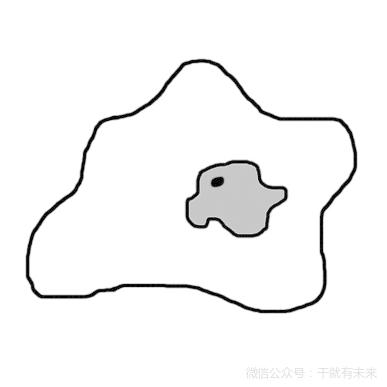
Sample (Sample), a collection of elements extracted from a population. The same population can extract several samples to form a set, such as 1,000 people from 10,000 Beijing citizens, and there areTwo kinds of extraction methods (without repeated sampling), the set of elements obtained by each extraction method is a sample. In the process of obtaining data, we are often limited to human, material and financial resources, and it is impossible to exhaust all the extraction methods to collect data. Researchers usually get one of so many samples. Therefore, the sample is not unique and uncertain for researchers, but once the data of a sample is collected, its characteristics can be characterized by the collected data. Therefore, the characteristics of the sample are known.


A generalized numerical measure that describes the characteristics of a sample is called sample statistics (Statistics), which is some quantities calculated according to the sample data, is a function of the sample. Sample statistics mainly include sample mean., sample standard deviation, sample proportionWait. The number of elements constituting a sample is called sample size or sample size (Sample size), generally usedExpress.

Report on the Development Trend of Agriculture and Rural Areas in China in 2023-Accelerating the Construction of an Agricultural Power

China must be strong and agriculture must be strong. The 20th National Congress of the Communist Party of China drew a grand blueprint for promoting the great rejuvenation of the Chinese nation with Chinese modernization, and clearly put forward the great strategic goal of accelerating the construction of an agricultural power. The most arduous and arduous task of building a socialist modern country in an all-round way is still in the countryside. This report reviews the development of China’s agriculture and rural areas in 2022, predicts the development trend in 2023, and points out the key issues that need attention in the future economic and social development of China’s agriculture and rural areas.

Agriculture has progressed steadily, and grain has climbed at a high level.

The year 2022 is a crucial year for the "14th Five-Year Plan" and an important year for China to build a socialist modern country in an all-round way and March into a new journey towards the goal of the second century. China’s economy overcame the multi-point spread of the epidemic and showed a recovery trend in the second half of the year. Agriculture and rural areas continued to develop steadily with high quality, which once again reflected the important role of ballast stones.

The basic position of agriculture and rural areas has been further consolidated. All localities have effectively responded to the epidemic situation and the impact of natural disasters, and the agricultural and rural economy has maintained a good momentum of development as a whole. In 2022, the added value of the primary industry increased by 4.1% over the previous year, reaching 8,834.5 billion yuan, accounting for 7.30% of the GDP of 121,020.7 billion yuan, slightly higher than that in 2021. In the first three quarters of 2022, the total output value of agriculture, forestry, animal husbandry and fishery was 9.8 trillion yuan. Among them, the total output value of agriculture was 5,194.2 billion yuan, the total output value of forestry was 399.15 billion yuan, the total output value of animal husbandry was 2,670.9 billion yuan, and the total output value of fishery was 989.62 billion yuan, which provided a solid support for stabilizing the overall situation of economic and social development.

Grain production continued to climb at a high level, and the goal of stable production and supply was successfully achieved. In 2022, the national grain sown area was 1.775 billion mu, an increase of 10.519 million mu over the previous year, with a year-on-year increase of 0.6%. The total grain output reached 1,373.06 billion Jin, an increase of 7.36 billion Jin over the previous year, and remained stable at more than 1.3 trillion Jin for eight consecutive years. In the face of the global food crisis, China’s grain production has achieved "19 consecutive harvests", and Chinese’s rice bowl has become more secure. The national soybean and oilseed productivity improvement project was launched, and the soybean oilseed expansion has achieved remarkable results, expanding the scale of grain-soybean rotation and promoting the soybean-corn strip compound planting area of more than 15 million mu; The area, yield and total yield of rapeseed harvested in summer have achieved "three increases", and other oil crops such as peanuts and oil sunflower have shown a stable production trend.

In-depth implementation of the strategy of "storing grain on the ground and storing grain in technology" has continuously improved the comprehensive agricultural production capacity. By the end of 2022, 1 billion mu of high-standard farmland will be built nationwide, accounting for more than half of all cultivated land; The seed industry revitalization campaign started well, and a world-class national crop and marine fishery biological germplasm resource bank has been built; Stabilize grain, expand oil, improve quality and efficiency, optimize and adjust national seed production counties and regional breeding bases, and increase the seed supply guarantee rate from 70% to 75%; The level of agricultural mechanization has improved steadily, and the mechanization rate of crop cultivation and harvest has exceeded 72%, of which the comprehensive mechanization rate of wheat cultivation and harvest has reached over 97%, basically realizing the whole mechanization. The mechanization level of animal husbandry, aquatic products and facility agriculture has improved significantly; The agricultural technology system and agricultural technology extension system were further improved, and the contribution rate of agricultural science and technology progress exceeded 62%.

The price fluctuation of agricultural products is widely concerned. In the four quarters of 2022, the producer price index of agricultural products (the same period of last year =100) was 93.3, 99.3, 108.2 and 105.7 respectively. Among them, the price of livestock products fluctuated the most, and the producer price index was 74.7, 88.3, 115.4 and 125.2 respectively. Pork prices showed a trend of first falling and then rising. From January to March, 2022, the ex-factory price of lean-skinned pigs dropped from 18.95 yuan to 15.73 yuan per kilogram. After March, the price of pork continued to rise, reaching a peak of 34.41 yuan per kilogram in October and falling back to 24.79 yuan in December.

The price of important agricultural materials is rising obviously. The price of corn is at a historical high, and the prices of other major raw materials are higher than the same period in 2021, which has promoted the year-on-year increase in the ex-factory prices of compound feed and concentrated feed products. The price of soybean meal continues to rise. Since February 2022, the opening price of soybean meal futures has exceeded 4,000 yuan/ton. In the first three quarters, the prices of chemical fertilizers such as potassium chloride, urea and diammonium phosphate generally showed an upward trend. In September 2022, the prices of domestic potassium chloride, domestic diammonium phosphate and domestic urea were 3,954.8 yuan, 3,776.16 yuan and 2,745.71 yuan per ton, respectively, which were 28.32%, 17.74% and 20.52% higher than those in January. In November, it dropped to 3604.30 yuan, 3589.30 yuan and 2695.15 yuan per ton respectively.

Agricultural products trade keeps the pattern of "big import and small export"

Affected by the global extreme weather and the conflict between Russia and Ukraine, the world agricultural products market volatility intensified in 2022. The food price monitoring data of the Food and Agriculture Organization of the United Nations (FAO) shows that the international food demand continues to be firm, but the food supply decreases, and the prices of all kinds of food in the international market remain high.

In 2022, the import and export amount of agricultural products in China reached US$ 334.32 billion, a year-on-year increase of 9.9%. Among them, the import value was US$ 236.06 billion, up 7.4% year-on-year; The export value was US$ 98.26 billion, up 16.5% year-on-year. The export was mainly concentrated in labor-intensive agricultural products such as aquatic products, vegetables, melons and fruits and tea. The trade deficit of agricultural products reached US$ 137.8 billion, slightly larger than that in 2021. Generally speaking, China’s agricultural products trade still presents a pattern of "big import and small export", supplemented by the international market, which meets the domestic demand for agricultural products.

The import quantity of different varieties of grain mostly shows a downward trend compared with the same period in 2021. In 2022, except for the significant increase in rice imports, wheat imports increased slightly, and corn and soybean imports decreased. Among them, corn imports were 20.62 million tons, down 27.3% year-on-year. Soybean imports were 91.08 million tons, down 5.6% year-on-year. However, due to the rising international soybean prices, China’s soybean imports still increased by 14.4% compared with the same period in 2021, reaching 61.24 billion US dollars. China’s soybean imports mainly come from Brazil and the United States, with Brazil accounting for about 2/3 and the United States accounting for about 30%.

Green development of agriculture has reached a new level.

The green development of agriculture has achieved remarkable results.

First, the supply capacity of high-quality agricultural products has been continuously enhanced. According to the data of the Ministry of Agriculture and Rural Affairs, in 2022, the pass rate of routine monitoring of quality and safety of agricultural products in China exceeded 97.6%, and the number of green, organic and geographical indication agricultural products totaled more than 63,000, and the brand effect of agricultural green food continued to expand.

Second, the environmental protection effect of agricultural producing areas is remarkable. The improvement of comprehensive utilization rate of crop straw, agricultural film recycling rate and comprehensive utilization rate of livestock manure effectively promoted the governance of agricultural industrial environment, reaching 88%, 80% and 78% respectively. By the second quarter of 2022, the effective coefficient of farmland irrigation water in China has increased to 0.57. According to statistics, in 2021, the national fertilizer application amount was 51.91 million tons (in pure terms), which was 13.8% less than that in 2015, and the fertilizer application amount kept decreasing for six consecutive years, and the fertilization structure was optimized. The consumption of pesticides in China was 248,000 tons (100% off), which was 16.8% lower than that in 2015, and kept negative growth for six consecutive years. At the same time, low-toxic and slightly toxic pesticides accounted for 85%. The coverage rate of green prevention and control of major crop pests and diseases in China is 46%; The safe utilization rate of polluted farmland exceeds 90%.

Digitalization helps increase agricultural efficiency and farmers’ income.

Remarkable progress has been made in the construction of digital villages, and the digital gap between urban and rural areas has been further narrowed. Internet infrastructure in rural areas has been comprehensively improved. According to the report of China Internet Network Information Center, as of June 2022, the Internet penetration rate in rural areas reached 58.8%, up 1.2% from December 2021. According to the statistics of the Ministry of Industry and Information Technology, more than 800,000 5G base stations will be opened in 2022, realizing "broadband access to every village" and "5G access to counties" nationwide.

E-commerce of agricultural products has developed vigorously, and online retail of agricultural products has increased significantly. In 2022, the national rural online retail sales reached 2.17 trillion yuan, a year-on-year increase of 3.6%. The online retail sales of agricultural products nationwide reached 531.38 billion yuan, up 9.2% year-on-year, and the growth rate was 7.3 percentage points higher than that in 2021. Rural e-commerce has become an important means to help rural revitalization and consolidate and expand the achievements of poverty alleviation.

In recent years, the overall development level of county digital inclusive finance in China has been continuously improved, which has injected new kinetic energy into rural revitalization. Emerging modes such as land transfer, agricultural materials e-commerce, online platform for agricultural machinery services and online agricultural technology services have also promoted the further application of digital information and technology in the circulation of agricultural production factors.

The per capita disposable income of rural residents continues to grow faster than that of urban residents. In 2022, the per capita disposable income of rural residents was 20,133 yuan, up 6.3% year-on-year. After deducting the price factor, the real growth rate was 4.2%, which was 1.2 percentage points higher than the economic growth rate, and the nominal growth rate and real growth rate were 2.4 and 2.3 percentage points faster than those of urban residents respectively.

From the perspective of income composition, all four types of income have increased throughout the year. Among them, the wage income is 8449 yuan, accounting for about 42.0% of the per capita disposable income of rural residents; The net operating income is 6972 yuan, accounting for about 34.6%; The net transfer income is 4203 yuan, accounting for about 20.9%; The net income of property is 509 yuan, accounting for about 2.5%.

With the continuous improvement of rural logistics system and commercial facilities, rural residents’ consumption expenditure has overcome the impact of the epidemic and gradually recovered in fluctuations. In 2022, the per capita consumption expenditure of rural residents was 16,632 yuan, a real increase of 2.5% after deducting the price factor. The per capita consumption expenditure of rural residents is 2.7 percentage points higher than that of national residents and 4.2 percentage points higher than that of urban residents.

The Central Rural Work Conference emphasized that consolidating and expanding the achievements of poverty alleviation is the bottom line task of comprehensively promoting rural revitalization. Whether this task can be promoted smoothly depends on the industrial development in poverty-stricken areas and the employment situation of poverty-stricken people.

In 2022, the subsidy funds for rural revitalization by the central government increased by 5.4% over the previous year, reaching 165 billion yuan, of which more than 55% was used for industrial development. All 832 poverty-stricken counties in China have cultivated leading industries in combination with their own resource conditions. In order to ensure the employment of the people out of poverty and increase their income, relevant local departments have strengthened employment training and developed public welfare posts, and achieved good results. More than 65.7% of the monitored objects have eliminated the risk of returning to poverty. The number of migrant workers out of poverty nationwide reached 32.78 million, exceeding the annual target and task. In November 2022, the General Offices of the General Office of the Central Committee of the CPC and the State Council issued the Measures for the Implementation of the Responsibility System for Rural Revitalization, which further clarified the responsibilities of departments at all levels and consolidated the institutional foundation for rural revitalization.

Modernization transformation has entered a critical stage.

At present, China’s agricultural and rural areas have entered a critical stage of modernization, and the future development of agricultural and rural areas should focus on the following links.

First, profoundly grasp and practice the concept of big food. The central rural work conference pointed out that it is necessary to establish a big food concept, build a diversified food supply system and develop food sources in multiple ways. With the improvement of living standards and agricultural production efficiency, the food consumption structure of residents has changed significantly, and the single diet structure has become a thing of the past, and the food sources are more diverse and abundant. This requires the effective supply of meat, fruits and vegetables, dairy products, aquatic products and other foods to meet people’s nutritional and health needs while ensuring food supply. All-round and multi-channel development of food resources is not the uncontrolled development of natural resources such as cultivated land, grassland, forest and ocean, but the efficient use of resources under the framework of ecological civilization construction, with more emphasis on resource conservation and ecological protection. To practice the concept of big food, it is necessary to constantly improve the agricultural production and management system and mechanism with the rural land system as the core, and adopt environment-friendly agricultural production and processing technology to achieve the balance between material demand and natural resources.

The second is to accelerate the reshaping of urban-rural relations. Influenced by traditional industrialization, China’s urban-rural dual structure has not been completely broken, which restricts the process of economic and social modernization. The income gap between urban and rural areas is the most direct manifestation. Although the income ratio between urban and rural areas is decreasing, the ratio of urban and rural per capita disposable income is 2.45∶1 in 2022, but the absolute value of the per capita disposable income gap between urban and rural residents still reaches 29,150 yuan. Report to the 20th CPC National Congress, the Communist Party of China, put forward that priority should be given to the development of agriculture and rural areas, and the integration of urban and rural areas should be adhered to, so as to smooth the flow of urban and rural factors. Urban prosperity and rural prosperity cannot be separated. In essence, the rural revitalization strategy is to rationalize the relationship between workers and peasants and the relationship between urban and rural areas from a strategic perspective. To completely break the dual structure of urban and rural areas means changing the one-way flow pattern of resources from agriculture and rural areas to cities and industries, and realizing the two-way flow of urban and rural labor, capital, technology and data. In the future, we should focus on county development and comprehensively promote the integrated development of urban and rural areas. On the one hand, it is necessary to upgrade the infrastructure and basic public services in rural areas within the county scope to enhance the rural value; On the other hand, it is necessary to optimize the layout of county space and industrial planning, accelerate the two-way flow of factors, and realize that agriculture is supplemented by industry, rural areas are led by cities, and agricultural and rural areas are promoted to prosperity by urban radiation.

Third, give full play to the important role of rural collective economy in agricultural and rural modernization. Developing a new rural collective economy is one of the core tasks of building an agricultural power. At present, the new rural collective economy has formed various forms of development, and its business activities include resource contracting, property leasing, intermediary services, resource use rights, and rural construction projects with financial input. All localities are still exploring the integration of multi-village resources by strong village companies to encourage the development of the group. With the deepening of agricultural modernization, the business activities of collective economic organizations extend to the fields of scale operation and agricultural socialized service. Generally speaking, the new rural collective economy has shown great vitality, and its role in rural economic development, industrial prosperity and farmers’ income increase has become more and more obvious. To speed up the process of agricultural and rural modernization, we need to give full play to the important role of rural collective economy. As one of the forms of public ownership, the collective economy is an important part of the market economy in Socialism with Chinese characteristics. Adhere to the advantages of the combination of unification and separation of rural management system, give play to the function of "unification" of rural collective economy, and lay a solid foundation for common prosperity.

The growth trend will remain unchanged in 2023.

Combined with the employment population of various industries, social fixed capital investment and employment of migrant workers from 2011 to 2021, a forecasting model is established according to the input-output structure of 135 departments in China. Considering the domestic and international development situation, the report results are simply averaged by setting different simulation schemes with the model, and the development trend of agriculture and rural areas in 2023 is predicted as follows.

The economy continued to maintain its growth trend, and agriculture boosted GDP growth by 0.73 percentage points. The forecast results show that the agricultural added value continues to grow, and it is estimated that the growth rate of agricultural added value will be 9.8% in 2023, which is higher than the growth rate of GDP; The proportion of agricultural added value has increased, reaching about 8%, slightly higher than that in 2022; The added value of processing industries (grain grinding products, feed processed products, vegetable oil processed products, sugar materials and sugar products, meat processed products, aquatic products processed products, vegetables and fruits processed products, dairy products and tea) with main agricultural products as raw materials will continue to grow, with a growth rate of 2.0%, accounting for 1.7% of GDP. It is estimated that the trade volume of agricultural products will reach US$ 387.45 billion in 2023, up by 15.9% year-on-year, of which the export volume of agricultural products will be US$ 110 billion, up by 11.9% year-on-year; The import value of agricultural products was $277.45 billion; The trade deficit of agricultural products was US$ 1,674.5, up by 21.5% year-on-year; Imports of edible oil seeds, edible vegetable oils and livestock products will account for more than 60% of domestic agricultural products imports, and the proportion of aquatic products imports is expected to further increase.

Per capita disposable income in urban and rural areas continues to increase. It is estimated that in 2023, per capita disposable income will exceed 41,000 yuan, up 11.2% year-on-year, including 53,100 yuan for urban residents and 22,400 yuan for rural per capita disposable income, up 7.7% and 11.3% respectively. In 2023, the per capita consumption expenditure of residents will maintain a growth trend, and it is estimated that the per capita consumption expenditure of residents will be 26,700 yuan, an increase of 8.8% year-on-year; The average consumption expenditure of urban residents and rural residents was 33,000 yuan and 17,200 yuan respectively, up by 8.6% and 3.4% year-on-year; Judging from the categories of residents’ consumption expenditure, the per capita service consumption expenditure and medical care expenditure of residents both increased at a rate of more than 15% year-on-year.

To sum up, China’s agricultural economy has strong resilience, great potential and sufficient vitality, and its long-term positive fundamentals remain unchanged.

Take various measures and comprehensively promote rural revitalization

To promote rural revitalization in an all-round way and accelerate the construction of an agricultural power, it is necessary to unswervingly guarantee the priority development of agriculture and rural areas with the ambition of "Yu Gong Yi Shan" and the perseverance of dripping water wears away stones.

Firmly promote farmland construction and seed industry revitalization to ensure food security. Ensuring food security is a necessary condition for building a strong agricultural country, and we should continue to thoroughly implement the strategy of "storing grain on the ground and storing grain in technology". While ensuring the number of high-standard farmland construction, we will further promote the transformation and upgrading of high-standard farmland. Update and transform farmland infrastructure, explore high-standard farmland management and protection mode, prevent soil fertility from declining, and ensure that "grain field" is "fertile field". Strengthen the monitoring and investigation of cultivated land quality, promote conservation tillage, promote the recuperation of cultivated land, and strive to improve the quality of cultivated land. To promote the revitalization of seed industry, on the one hand, we should continue to accurately identify and protect germplasm resources and improve the resource database of important seed products; On the other hand, we should continue to focus on the breeding of improved varieties, effectively guarantee the supply of improved varieties, and comprehensively improve the level of improved varieties. In terms of technological innovation, efforts should be made to tackle the key problems of "sticking the neck" technology, strive to make breakthroughs in cutting-edge technology fields, increase the protection of original breeding innovations, and promote the transformation of China from a big seed industry country to a strong seed industry country.

Continue to optimize the trade structure and ensure the supply of agricultural products. Improve the strategic layout of agricultural products trade, broaden trade channels and give play to the important role of regional markets. Deepen the economic and trade relations of agricultural products with the countries and regions of the regional comprehensive economic partnership agreement and the "Belt and Road Initiative", build the whole trade chain including warehousing, logistics and transportation, and continuously expand the trade space of agricultural products. On the import side, it is necessary to broaden the import channels and promote the diversification of the import market of agricultural products, so as to spread risks, avoid the break of supply chain and ensure the supply of important agricultural products. In terms of export, it is necessary to cultivate the international competitive advantage of agricultural products and improve the terms of trade of agricultural products. By promoting the scale and standardization of production, the quality of agricultural products will be continuously improved. We should adhere to the market demand-oriented, provide public services to support enterprises to build agricultural products brands and carry out international marketing, promote the export of superior agricultural products based on quality and guided by brands, constantly explore the international market, expand value-added space, and enhance the market influence of China’s agriculture in global competition.

Based on the high-quality development of agriculture, vigorously promote agricultural socialization services. Practice has proved that agricultural socialized service can promote the use of advanced agricultural green technology by expanding production scale and standardizing operations. To promote the high-quality development of agriculture, it is necessary to improve the socialized service system of agriculture and effectively realize the organic connection between small farmers and modern agriculture. To give full play to the role of agricultural socialized service in agricultural production, first, we should further strengthen the level of agricultural basic service, and provide more advanced and diversified service modes for agriculture by increasing the scientific and technological content of agricultural investment, improving farmers’ professional quality and building agricultural basic service stations. Second, we should improve the quality of agricultural socialized services, enhance the enthusiasm of farmers to participate in socialized services, so that the majority of farmers can participate in the agricultural production process and ensure agricultural production efficiency. Third, we should continue to strengthen financial investment in rural areas. Agricultural socialization service aims to provide efficient services for farmers in the production process. In order to ensure the quality of agricultural socialized service, we should provide sufficient financial support to ensure the healthy development of agricultural socialized service system.

Increase investment in digital rural construction and improve the commodity service network system. Digital village is an important breakthrough to comprehensively promote the rural revitalization strategy, and it is also an important content of building a digital China. Therefore, first, we should increase investment in digital rural construction and improve rural information infrastructure. To ensure the priority development of agriculture and rural areas, it is necessary to increase investment in infrastructure, and information infrastructure is an important content. It is urgent to fill the shortcomings of rural information infrastructure, establish and improve the rural information service system, and accelerate the narrowing of the digital divide between urban and rural areas. At the same time, we will strengthen the education and training of farmers’ Internet ability, promote online transactions such as digital inclusive finance and land transfer, and expand the application scenarios of digital technology in agriculture and rural areas. Second, we should build an efficient modern commodity service network system. Build a rural logistics information platform, improve the county and rural three-level logistics system with the Internet and information technology as the core, promote the informationization and visualization of the whole process system of the supply chain, reduce the distribution loss and cost, reduce the transaction cost generated by the circulation link, and avoid the efficiency loss of factor allocation and product circulation.

Promote non-agricultural employment and return to their hometowns to start businesses, and ensure sustained and steady income growth. Smooth flow of urban and rural factors is an important condition to realize rural revitalization. On the one hand, we should continue to steadily promote the non-agricultural employment of rural labor force, increase the skills training for farmers, especially those who are out of poverty, strengthen employment guidance services, and promote the non-agricultural employment of rural labor force. On the other hand, we should create conditions to promote returning home to start businesses and reverse the one-way flow of factors between urban and rural areas. At present, there are more than 10 million entrepreneurs returning to their hometowns in China. By attracting entrepreneurial talents, strengthening entrepreneurial services, building entrepreneurial parks, and providing preferential land and tax support, we will promote returning home to start businesses. In addition to ensuring the growth of net operating income and wage income, it is also necessary to promote the growth of net property income and net transfer income of rural residents. It is necessary to improve the net income level of rural residents’ property, implement various subsidy policies in agriculture and rural areas, and ensure the sustained and steady growth of income.

Continue to deepen rural reform and develop and strengthen the rural collective economy. To realize the goal of agricultural and rural modernization and common prosperity, it is necessary to further deepen rural reform and develop and strengthen rural collective economy. First, continue to deepen rural reform. Improve the rural management system, innovate the agricultural management system and mechanism, and promote the reform of rural collective property rights system, unify the strengthening of the foundation of collective ownership, safeguarding and realizing the rights of farmers’ collective members with activating resource elements, do a good job in the separation of rights and powers of rural collective resource assets, and let farmers share more achievements in the reform. The second is to improve the management ability of rural collective economic organizations and expand the rural collective economy. Increase financial support, multi-sectoral joint efforts to implement tax incentives for rural collective economic activities. On the one hand, the value-added tax and income tax involved in the transfer and change of rural collective assets, as well as the taxes and fees in the operation process of rural collective economic organizations, and the tax deduction policy for public welfare, welfare expenditure and social security expenditure borne by rural collective economic organizations is implemented to ensure that rural collective economic organizations go into battle lightly. On the other hand, we should increase innovative financial support policies and improve the financing capacity of rural collective economic organizations.

Economic Daily, February 1, 2023, 11th edition.

Quwo: meteorological spring tube special class accurately serves winter wheat planting

  On February 18th, the Meteorological Bureau of Quwo County, Linfen City, Shanxi Province organized a special class for agricultural meteorological service personnel Cheng Lichun to go to seven towns and villages in the county to carry out the investigation on the agricultural conditions of winter wheat in the green period.

  The special class of spring management has investigated and sampled the seedling condition, soil moisture, tillering number, pests and diseases of winter wheat in different sections, and combined with the recent weather trend, made and published a special report on meteorological service of winter wheat in spring management, providing farmers with scientific suggestions on fertilization, irrigation, pest control and other agricultural issues. In view of the changeable climate in early spring, the special spring management class suggested that farmers should take measures such as scientific fertilization, disease prevention and insect control, chemical weeding, etc., and remind them to guard against the adverse effects of severe weather such as low temperature, frost and strong wind on winter wheat growth in spring.

  At the same time, the Meteorological Bureau of Quwo County, in conjunction with the County Modern Agricultural Development Center, formulated and issued the Technical Opinions on Wheat Spring Pipe, which used intelligent grid forecasting to accurately assist the spring pipe operation.

  (Author: Li Rongrong Ren Mei Editor: Su Jessie)

Portuguese Prime Minister Costa will visit China and attend relevant activities of the Fifth Ministerial Meeting of the China-Portugal Forum.

Premier Li Keqiang left Beijing for Macau by special plane on the morning of 10th. During his stay in Macau, Li Keqiang will attend the opening ceremony of the Fifth Ministerial Conference of the China-Portuguese-speaking Countries Economic and Trade Cooperation Forum together with the Prime Ministers of Portugal, Cape Verde, Guinea-Bissau, Mozambique and representatives of the governments of Brazil, Angola and Timor-Leste, hold bilateral meetings with leaders of some participating countries, and will inspect the Macao Special Administrative Region. [detailed]

Peking University Greater Bay Area Alumni New Year Forum held in Guangzhou.

Recently, the Peking University Greater Bay Area Alumni New Year Forum was held in Guangzhou with the theme of "Longteng China bravely stands on the forefront". This is the first time that the Guangdong Peking University Alumni Association has held a New Year Forum for Greater Bay Area alumni. The forum focused on the outlook of macro-economy and policies and the coping strategies of enterprises. Wang Bo, vice president of Peking University, pointed out in his speech that Peking University students should have strong confidence in national development, and at the same time, they should respect tradition and strive for innovation.

Wang Bo, Vice President of Peking University

  In the keynote session, Hai Wen, former vice president of Peking University and founding dean of HSBC Business School, pointed out that we are facing new challenges represented by "pursuing quality of life, promoting industrial upgrading and improving international relations". Only by relying on the thinking of "demand drives economy, market determines industry and national social responsibility" can we stimulate new strategies needed for social development and progress. In his view, relying on private enterprises, innovating merger and development to enhance the scale effect, and emphasizing the equivalence of rules in international relations are all optional strategic items.

Hai Wen, former vice president of Peking University and founding dean of HSBC Business School.

  Zhang Hui, vice president of Peking University University of Economics, shared the achievements of the Belt and Road Initiative in the past ten years, and thought that the trade links between participating countries and regions had changed from intensive to balanced, so as to share development opportunities collectively, showing a fairer feature.

Zhang Hui, Vice President of Peking University University of Economics

  Based on the investigation and analysis of macro data, Color, doctoral supervisor of Guanghua School of Management, Peking University, and deputy director of Institute of Policy and Economics, expounded her views on China and the global economy in 2024, holding that residents’ consumption will be disturbed by confidence, income and wealth, and they are still in a weak repair path, effectively increasing the income of low-income groups, so as to realize a virtuous circle of mutual promotion of consumption and investment and help ensure the economic growth rate within a reasonable range. "In the long run, promoting scientific and technological innovation is the fundamental way to solve problems. It is necessary to conduct large-scale investment and financing in industries such as new energy, artificial intelligence, big data, big health, and big country industry, and increase investment in basic scientific research. "

Color, deputy director, Institute of Policy Economics, Guanghua School of Management, Peking University

  Yao Yang, Dean of the National Development Research Institute of Peking University, Director of China Economic Research Center and Executive Dean of South-South Cooperation and Development College, discussed new ideas for judging China’s economic trend from the policy perspective of the Central Economic Work Conference. He believes that China’s economy has great growth potential in the long run. Corrective measures such as reducing economic dependence on real estate and debt will improve the economic, social and political health of China, but there is no denying the short-term impact on the economy. He predicted that stabilizing real estate will remain one of the key economic tasks in 2024, and how to strike a balance between growth and adjustment will be the key point of the policy.

Yao Yang, Dean of National Development Research Institute of Peking University, Director of China Center for Economic Research and Executive Dean of South-South Cooperation and Development College.

  In the round-table forum, representatives of professors and scholars in Peking University and alumni entrepreneurs had a heated discussion on the theme of "private economy development under Greater Bay Area’s national strategy".

  Ying Huajiang, president of Beiming Software Company, You Liefeng, founder of Huangguang Education Group, Sun Huaiqing, chairman and president of Marubi Biotechnology Company, and Cao Zhiwei, co-founder of New City Investment Holding Group, respectively, analyzed how they viewed the influence of internal and external environment on the operation of private enterprises from their respective industries. Sun Huaiqing believes that "the old boat ticket can’t get on the new boat", and it is possible to get new growth by giving up the old thinking; You Liefeng got the inspiration of enterprise management from farmers’ cultivation — — It is a simple and common truth to "do not complain about others and actively plan and manage". Zhang Ying, deputy dean of Guanghua School of Management of Peking University and director of the Management Case Study Center, responded that it is the first step to "abandon the thinking of carving a boat and seeking a sword, and don’t always think about returning to 2018 and 2019". Wang Pengfei, president of peking university hsbc school of business, pointed out that the change of tax rate has little to do with economic growth, but high uncertainty will lead to low growth, and easing uncertainty through policies, broadening consumption scenarios and improving the level of service industry will all contribute to economic growth.

  The event was directed by the Alumni Association of Peking University in Guangdong Province and co-sponsored by the Guangdong Alumni Association, HSBC Business School Branch, School of Economics Branch, Guanghua School of Management Branch and National Development Research Institute Branch. Nearly 1,000 Peking University alumni, alumni associations of brother colleges and representatives of cooperative units attended.

Officially informed the vendor that "dead crabs are sold as live crabs": it is true, and the merchants involved have been retired.

  BEIJING, June 6 (Xinhua)-On the 6th, the Market Supervision Administration of Shenbei New District in Shenyang issued the "Report on the Investigation of a vendor selling dead crabs as live crabs" in Yurun Seafood Market through its official WeChat WeChat official account, saying that on June 4, 2023, a video number of an online platform released information saying whether there were unscrupulous vendors selling dead crabs as live crabs in Yurun Seafood Market in Shenyang, which deceived consumers and attracted netizens’ attention. The Shenbei New District Market Supervision Administration attached great importance to it, and Yurun Market Supervision Office responded quickly, and immediately launched an investigation on the main market involved and Yurun seafood market. The investigation and treatment results are hereby notified as follows:

  After investigation, the merchant involved was "Maoge Shangpin Aquatic Products Business Firm in Shenbei New District, Shenyang" at No.21 stall in Frozen Products Zone.

  When consumers buy flying crabs, the merchants’ language actions mislead consumers. Finally, the anchor bought two flying crabs at the price of 60 yuan/Jin. On that day, the retail price of live flying crabs in the market was 150 yuan/kg, and the price of dead flying crabs was 65 yuan/kg. The anchor bought two dead flying crabs at the price of 60 yuan/kg, and there was no fraud in the price. However, the owner of "Maoge Shangpin Aquatic Products Business Firm in Shenbei New District of Shenyang City" misled consumers through words and actions during the sales period. Law enforcement officers verified with the owner that the situation was basically true.

  On June 5th, the market organizer Shenyang Gongda Seafood Market Management Co., Ltd. decided to clear the market for "Maoge Shangpin Aquatic Products Business Firm in Shenbei New District of Shenyang".

  On the same day, Yurun Market Supervision Institute and the market organizer conducted a strict investigation on all merchants in Yurun Seafood Market. All measuring tools in the market were accurate, fair and normal, and no other illegal business practices were found. At the same time, during the inspection, the market merchants were once again given publicity on law popularization and integrity management education.

  "People can’t stand without faith, and businesses can’t prosper without faith". "Dead crabs are sold as live crabs" damages the rights and interests of consumers and other legitimate operators in the market, which also dampens the confidence of consumers and damages the reputation of the market. Shenbei New District Market Supervision Administration warned all operators: Don’t be lucky, adding "skills" will only lose business; Know how to operate with integrity, so as to achieve your final goal! At the same time, Shenbei New District Market Supervision Administration has always adhered to the "strict" tone, severely cracked down on all kinds of illegal acts in accordance with the law, and will continue to strengthen supervision, resolutely safeguard market order, protect the legitimate rights and interests of consumers, and sincerely welcome the supervision of consumers and all sectors of society.

National Climate Center: Autumn in 2023 is the warmest autumn since 1961.

CCTV News:According to the official news of the National Climate Center, in the autumn of 2023 (September to November), the national average temperature was 1.1℃ higher than normal, which was the warmest autumn since 1961. The precipitation is slightly more overall, but the spatial distribution is uneven. In autumn, there were nine regional rainstorm processes in China, among which the rainstorm process was particularly strong from September 3 to 13. Less typhoons are generated, more landings are made, and the impact is heavy; There are frequent cold air processes, of which two processes reached the cold wave level on November 6-7 and 23-25; Stage development of meteorological drought in the southeast of southwest China; The autumn rain in West China lasts for a long time and there is more precipitation. Northeast China and eastern Inner Mongolia have frequent rain and snow and thick snow. From the end of October to the beginning of November, a large range of haze and foggy weather appeared in parts of central, eastern and southwestern China.

  I. National Weather and Climate Characteristics in Autumn of 2023

  The national average temperature is the highest in the same period in history.

  In the autumn of 2023 (September to November), the national average temperature was 11.3℃, which was 1.1℃ higher than the normal period and the highest in the same period since 1961. The temperature is 0.5-2℃ higher in most parts of the country, with 2-4℃ higher in northern and eastern Xinjiang. The average temperatures in Guizhou, Liaoning, Sichuan, Tianjin, Xinjiang, Yunnan and Zhejiang are all the highest in the same period since 1961, and Gansu, Henan and Shandong are the second highest.

  During the season, the daily maximum temperature of 66 national meteorological stations in Dunhuang, Gansu (37.4℃, September 4th) and Guazhou (36.8℃, September 5th) exceeded or equaled the local historical extreme value in autumn. Extreme daily cooling events occurred at 36 stations in Northeast China, Hebei, Inner Mongolia, Shandong, Shaanxi and other places, and the daily cooling range of Wudalianchi in Heilongjiang (17℃, November 3) exceeded the historical extreme.

  The overall precipitation is slightly higher and the spatial distribution is uneven.

  In autumn, the national average precipitation is 126.8 mm, which is 5.3% more than the normal period (121.4 mm). The spatial distribution of precipitation is uneven. The precipitation in most parts of North China, the south of southwest China and western Sichuan, central and western Inner Mongolia, western and southeastern Xinjiang, western and southern Tibet is less than 20% to 80%, and the local precipitation is less than 80%. Central and northern central China and southeastern Shaanxi, northeastern Chongqing, most of Guangdong, southeastern Guangxi, eastern Qinghai and northern Xinjiang are 50% to 2 times more. The precipitation in Guangdong is the highest in the same period in history, and Qinghai is the second highest in history.

  During the season, the daily precipitation of 56 national weather stations in China exceeded the local historical extreme in autumn, and the daily precipitation of 10 stations, including Fuzhou, Fujian (395.9 mm, September 6th) and Panyu, Guangdong (361.9 mm, September 8th), exceeded the historical record.

  Second, the main weather and climate events in autumn

  Nine regional rainstorm processes occurred.

  In autumn, there were nine regional rainstorm processes in China, among which the rainstorm process from September 3 to 13 was particularly strong.

  From September 3 to 13, affected by "Anemone" and its residual circulation, heavy rains occurred in Jiangnan and South China, with large accumulated rainfall and daily precipitation in many places breaking historical extremes. The cumulative rainfall in eastern Fujian, southern Guangdong, eastern and southern Guangxi, eastern Hainan and Taiwan Province is 100-300mm, including 300-500mm in northeastern Fujian, southwestern Guangdong and eastern Guangxi, over 500mm in six counties (cities, districts) such as Changle, Yangchun and Bobai, Fujian, Fuzhou, Fujian (395.9mm) and Panyu, Guangdong (361.9mm).

  Typhoon generation is less, landing is more, and the impact is heavier.

  In autumn, four typhoons were generated in the Pacific Northwest and the South China Sea, which was significantly less than the normal period (11 typhoons), and all four typhoons landed in China, which was more than the normal period (2 typhoons).

  No.9 typhoon "Sura" landed on the southern coast of Zhuhai, Guangdong Province on September 2, with a small scale but strong intensity, and the super typhoon level lasted for a long time. Typhoon No.11 "Anemone" landed on the southeast coast of China three times from September 3 to 5. "Sura" and "Anemone" have successively affected South China, resulting in overlapping risks of rain and waterlogging. Many small and medium-sized rivers have experienced floods exceeding the police, and many places in Guangdong have experienced waterlogging, landslides, road interruptions and other dangers. Typhoon No.14 "Little Dog" landed at Eguanbi, Pingtung County, Taiwan Province on October 5, which was the third strongest typhoon landing in October since 1949, with a long impact time and a large accumulated rainfall. From October 5 to 11, the cumulative precipitation in six counties (cities, districts) in Guangdong Province was the third highest in the same period since 1961. Typhoon No.16 "Sanba" landed in Hainan and Guangdong three times from October 19 to 20, and the precipitation in eight national weather stations in Guangxi and Guangdong Province exceeded the extreme value in October.

  There are 10 cold air processes affecting China, and the number of processes in November is obviously higher.

  In autumn, a total of 10 cold air processes affected China, and the number was close to the same period of the year. 6 times occurred in November, 1.7 times more than normal. Among them, two processes from November 6 to 7 and from November 23 to 25 reached the cold wave level.

  From November 3 to 7, cold air and cold wave processes successively affected China. Except for the eastern part of southwest China, southern China and southern Jiangnan, the temperature in most parts of the country dropped by 8-16℃, and the temperature in eastern North China and central Shandong, central and northeastern Inner Mongolia, northwestern Heilongjiang and central and southern Liaoning dropped by more than 16℃. The process of cold air and cold wave causes a wide range of gale cooling and rain and snow weather, which has a great impact on agriculture and animal husbandry production, transportation, energy supply, urban operation, human health and residents’ life.

  Stage development of meteorological drought in southeast of southwest China

  In autumn, due to the influence of high temperature and less precipitation, meteorological drought in Yunnan, Guizhou, Sichuan and Chongqing developed in stages and eased in the middle and late October. Since November, the meteorological drought in the southeast of southwest China has developed again. Up to now, there are moderate to severe meteorological droughts in eastern Yunnan, western and southern Guizhou.

  The autumn rain in West China started early and ended late, with a long duration and more precipitation.

  In 2023, the autumn rain in West China began on August 23rd, 10 days earlier than normal, and ended on November 16th, 13 days later than normal. The autumn rain period is 85 days, which is 24 days longer than normal. From August 23rd to November 16th, the average rainfall in West China was 287mm, 44.6% more than normal. The rainy weather from September to early October is not conducive to autumn harvest, stubble preparation and rape sowing and seedling raising in some parts of West China, but precipitation is beneficial to farmland moisture increase and agricultural water storage.

  Northeast China and eastern Inner Mongolia have frequent rain and snow, with deep snow.

  In November, there was frequent rain and snow in Northeast China and eastern Inner Mongolia, and the number of snowfall days was generally more than normal, with 5 to 10 days more in eastern Heilongjiang, central and southern Jilin, northwestern Liaoning and parts of northeastern Inner Mongolia. The cumulative precipitation in Heilongjiang and Jilin are the highest in the same period since 1961, and Liaoning is the second highest. The number of days above heavy snow in Heilongjiang and Jilin is the highest in the same period since 1961. The maximum snow depth in most parts of Heilongjiang, western Jilin and northwestern Liaoning is 5 to 20 cm, including 20 to 40 cm in eastern Heilongjiang and over 40 cm locally. Deep snow and ice accumulation have a great impact on transportation and energy security.

  Three strong convective weather processes affected China, and Jiangsu was hit by a strong tornado.

  In autumn, there were three severe convective weather processes in China, which were on September 17-18, September 19-20 and November 5-6. A total of 159 counties in 19 provinces have been affected by wind and hail disasters. On September 19th, Suqian City and Yancheng City, Jiangsu Province were hit by tornadoes of magnitude EF2 and EF3, respectively, which were seriously affected.

  From the end of October to the beginning of November, a large range of haze and foggy weather appeared in parts of the east and southwest.

  From October 28th to November 2nd, haze appeared in Beijing, Tianjin, Hebei, eastern Henan, western Shandong, eastern Hubei, northern Anhui, southern Heilongjiang, central Jilin and other places, and severe haze appeared in parts of Beijing, Tianjin and Hebei. Fog weather occurred in southeastern Liaoning, central Jiangsu, southern Anhui, central and northern Hunan, central and western Sichuan Basin, western Chongqing, northwestern Guangxi, central and northern Guizhou, central and southern Jiangxi, and northwestern Fujian. Haze and foggy weather cause reduced visibility and air pollution, which affects traffic and human health.

make a general investigation or survey

Census (Census) refers to a one-time comprehensive survey specially organized for a specific purpose, which is used to investigate the total amount of social phenomena at a certain time or in a certain period. It is suitable for collecting some statistical data that cannot or is not suitable for regular comprehensive statistical reports to find out the important national conditions and national strength. For example, the seventh population census in China is to find out the national conditions of China’s total population at 0: 00 on November 1, 2020.


Census can not only find out a country’s national conditions and national strength, but also understand and master the situation of human, financial and material resources and their utilization, and provide a reliable basis for the country to formulate long-term plans and policies. The basic requirements of the census are:


(1) There should be strict organization and high-quality census personnel;


(2) There should be strict time requirements. In the census, the standard time point of the census should be specified, that is, the registered objects should be based on the unified time point specified in advance, and all the survey data must be reflected at this time point;


(3) The registration of census should be carried out at the same time in the whole scope of census, so as to ensure the timeliness and accuracy of census data and avoid the delay in data collection;


(4) The survey items and indicators must be centralized and unified;


(5) The contents and time of similar censuses should be as consistent as possible in previous censuses.


In general, the census work should be carried out according to a certain period as far as possible, so as to make a dynamic comparative analysis of previous census data and understand the objective development law. It can be seen that the characteristics of the census are: it is a comprehensive survey with the advantages of comprehensive, detailed and systematic data; It is a one-time special survey with high accuracy and standardization. Due to the heavy workload, long census period and high cost, it is generally not appropriate to hold it frequently.