Who should get the "fourth shot" vaccine? How to fight? -experts from the State Council joint prevention and control mechanism answer hot issues about epidemic prevention.
Recently, the Comprehensive Group of the State Council Joint Prevention and Control Mechanism issued a plan to deploy and carry out the second dose of intensive immunization. Who should get the "fourth shot" vaccine? What vaccine is the "fourth injection"? Focusing on social hot issues, experts from the State Council Joint Prevention and Control Mechanism answered questions.
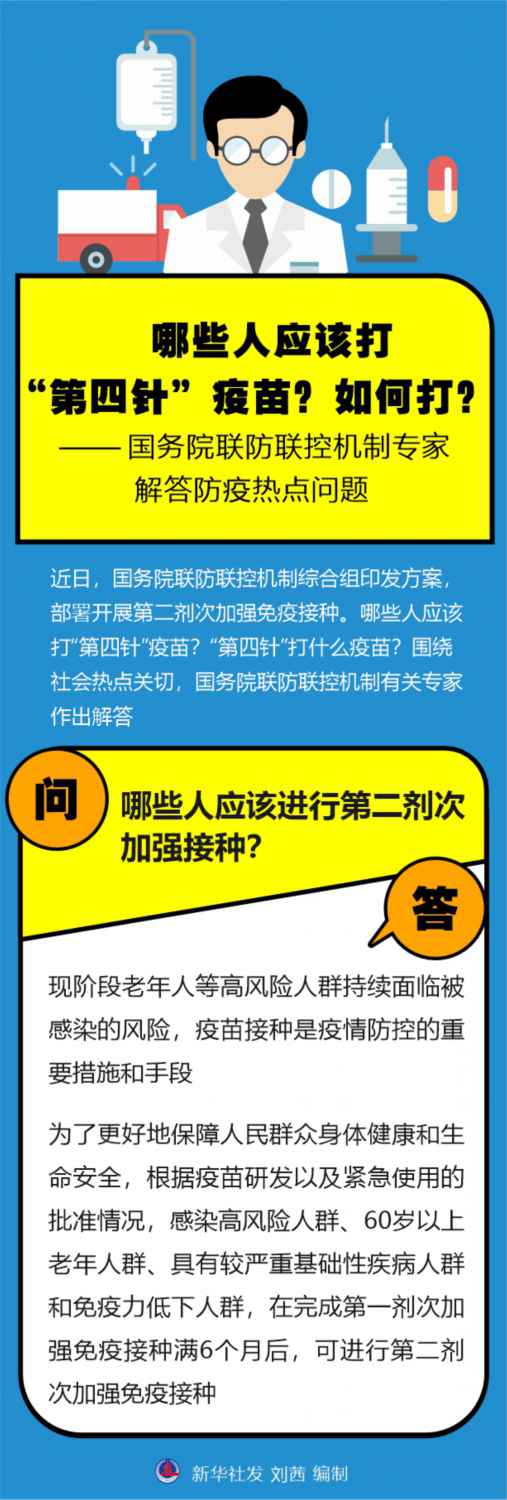
1. Q: Who should get the second dose of booster vaccination?
A: At this stage, high-risk groups such as the elderly continue to face the risk of infection. Vaccination is an important measure and means for epidemic prevention and control.
In order to better protect people’s health and life safety, according to the approval of vaccine research and development and emergency use, people with high risk of infection, people over 60 years old, people with serious basic diseases and people with low immunity can be given the second dose of booster immunization six months after completing the first dose.
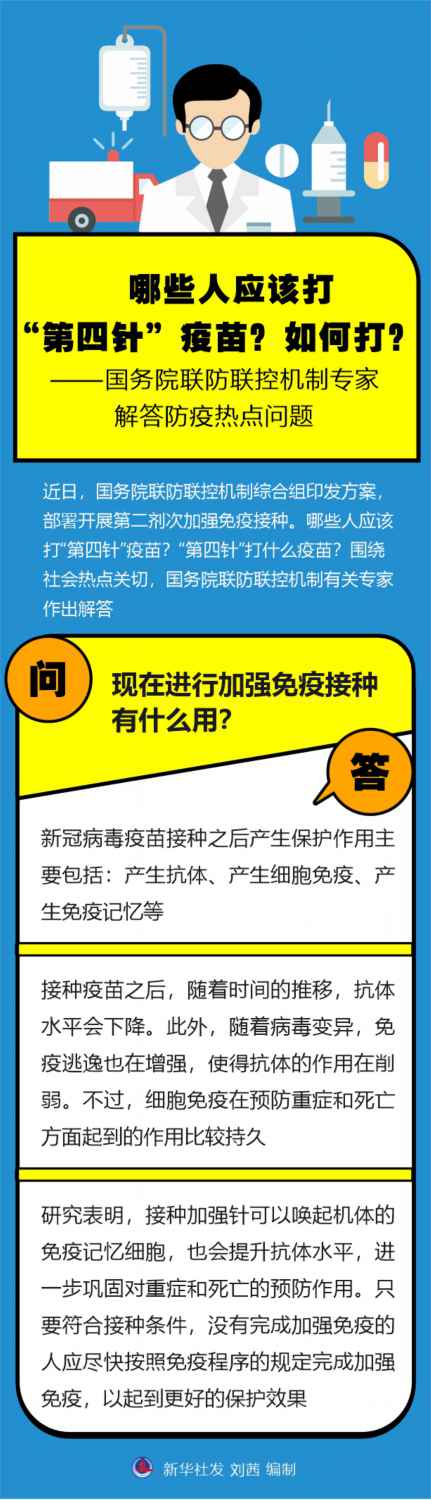
2. Q: What’s the use of strengthening immunization now?
A: The protective effects after vaccination in Covid-19 mainly include antibody production, cellular immunity and immune memory.
After vaccination, the antibody level will drop over time. In addition, with the virus mutation, immune escape is also increasing, which makes the role of antibodies weakened. However, cellular immunity plays a lasting role in preventing severe illness and death.
Studies have shown that vaccination with booster needles can arouse the immune memory cells of the body, and also improve the antibody level, further consolidating the preventive effect on severe illness and death. As long as the vaccination conditions are met, people who have not completed the booster immunization should complete the booster immunization as soon as possible in accordance with the provisions of the immunization program to achieve better protection.
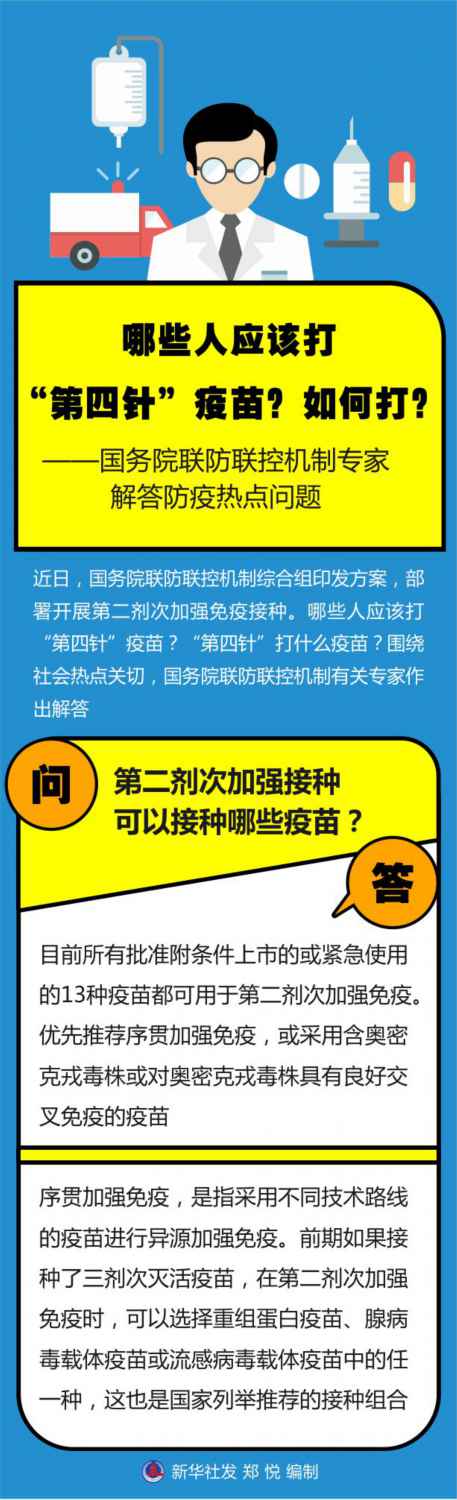
3. Q: What vaccines can be vaccinated for the second dose of booster vaccination?
A: At present, all 13 vaccines approved for conditional marketing or emergency use can be used for the second dose of booster immunization. Priority is given to sequential immunization, or the use of vaccines containing Omicron strain or having good cross-immunity to Omicron strain.
Sequential booster immunization refers to the use of vaccines with different technical routes for heterologous booster immunization. If three doses of inactivated vaccine were inoculated in the early stage, you can choose any one of recombinant protein vaccine, adenovirus vector vaccine or influenza virus vector vaccine in the second dose of booster immunization, which is also the recommended vaccination combination listed by the state.
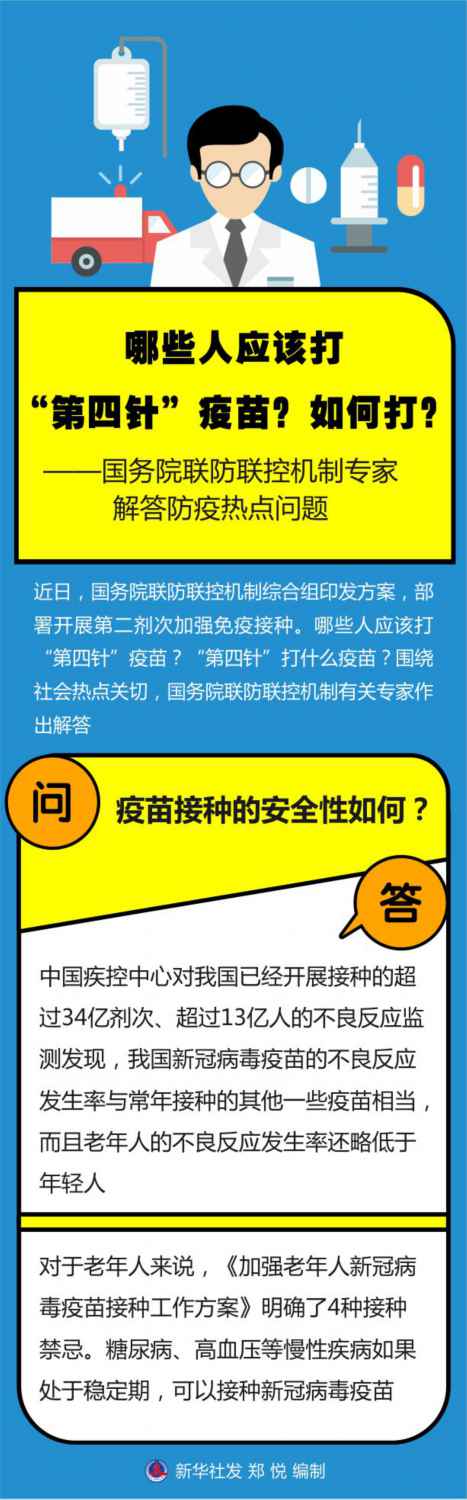
4. Q: How safe is vaccination?
A: China CDC has monitored the adverse reactions of more than 3.4 billion doses and more than 1.3 billion people who have been vaccinated in China, and found that the incidence of adverse reactions of Covid-19 vaccine in China is similar to that of other vaccines vaccinated all the year round, and the incidence of adverse reactions of the elderly is slightly lower than that of young people.
For the elderly, the Work Plan for Strengthening Vaccination in Covid-19 for the Elderly defines four kinds of vaccination taboos. Chronic diseases such as diabetes and hypertension can be vaccinated with Covid-19 vaccine if they are in a stable period.
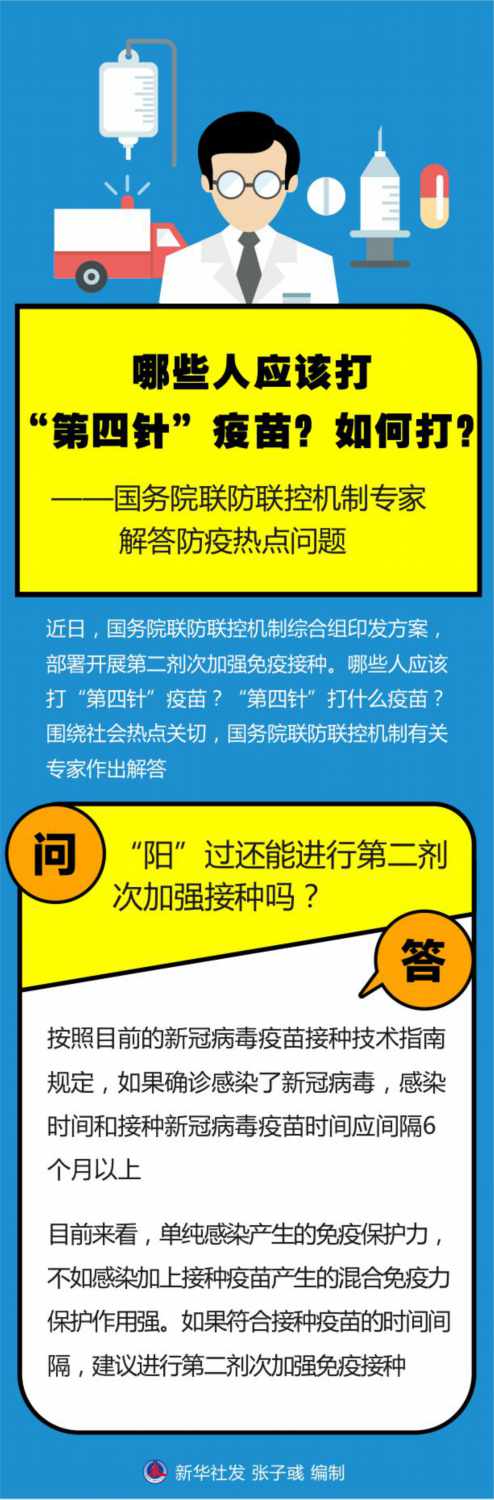
5. Q: Can the second dose of booster vaccination be carried out after "yang"?
A: According to the current technical guidelines for vaccination in Covid-19, if Covid-19 is diagnosed, the time between infection and vaccination with Covid-19 vaccine should be more than 6 months.
At present, the immune protection produced by simple infection is not as strong as the mixed immune protection produced by infection and vaccination. If the vaccination interval is met, it is recommended to carry out the second dose of booster immunization.